
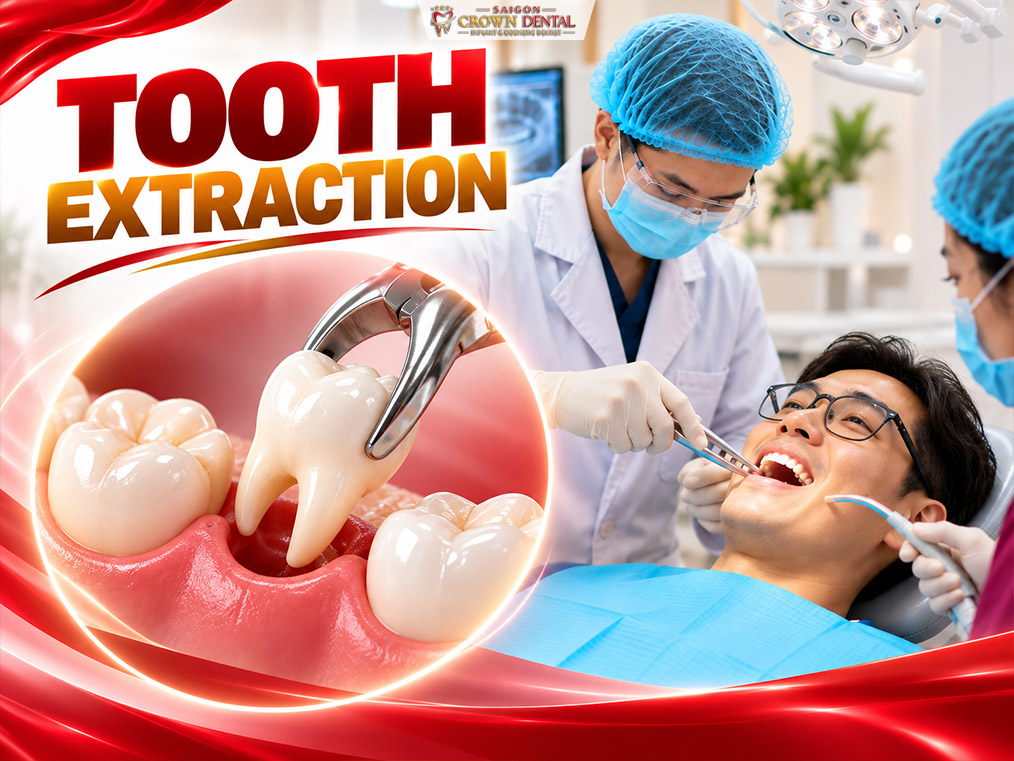
A sudden toothache, a cracked filling, or a throbbing wisdom tooth can make anyone want an immediate solution -but rushing straight into a tooth extraction is rarely the safest first step. Before any tooth is removed, our dentists take the time to understand exactly why it hurts, because not every case ends the same way.
Do You Really Need a Tooth Extraction?
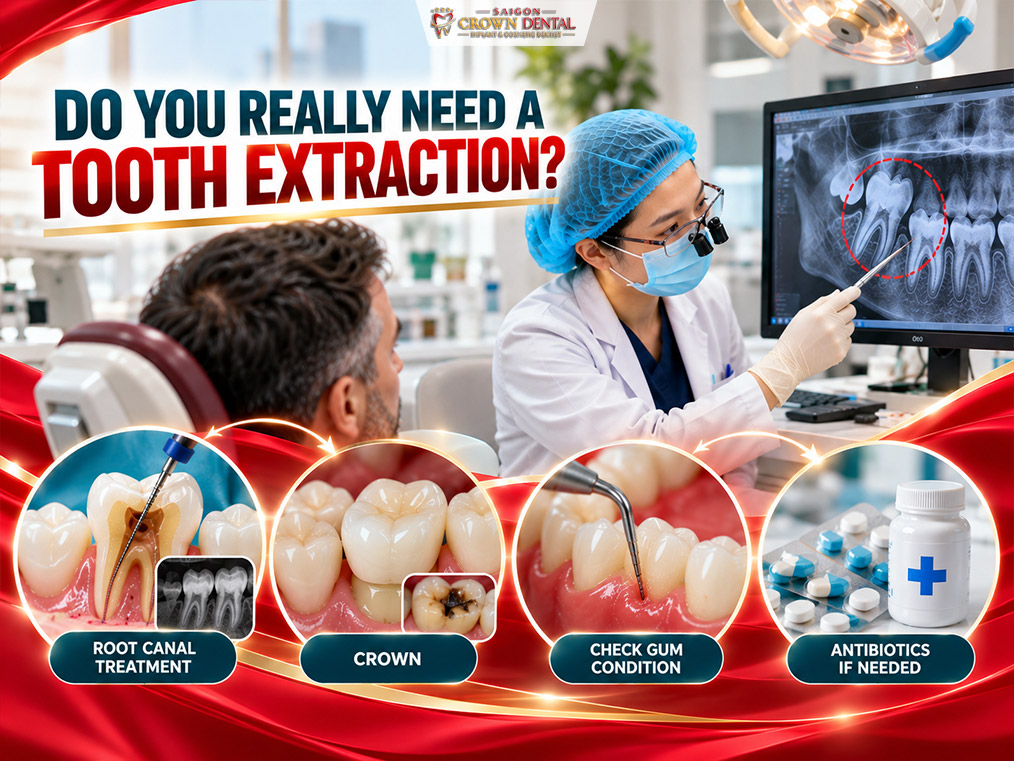
Extraction is only one option among several. Before making any decision, we perform a detailed clinical evaluation to answer four key questions:
-
Can the tooth be saved?
We check if root canal treatment or a dental crown can restore the tooth.
-
Where is the pain coming from?
We determine whether the discomfort stems from the tooth nerve or surrounding gum tissue.
-
Are antibiotics required?
If an infection is present, we may prescribe antibiotics before proceeding safely.
-
How urgent is your case?
We prioritize severe cases to ensure you are seen as quickly as possible.
Simple Extraction vs Surgical Extraction
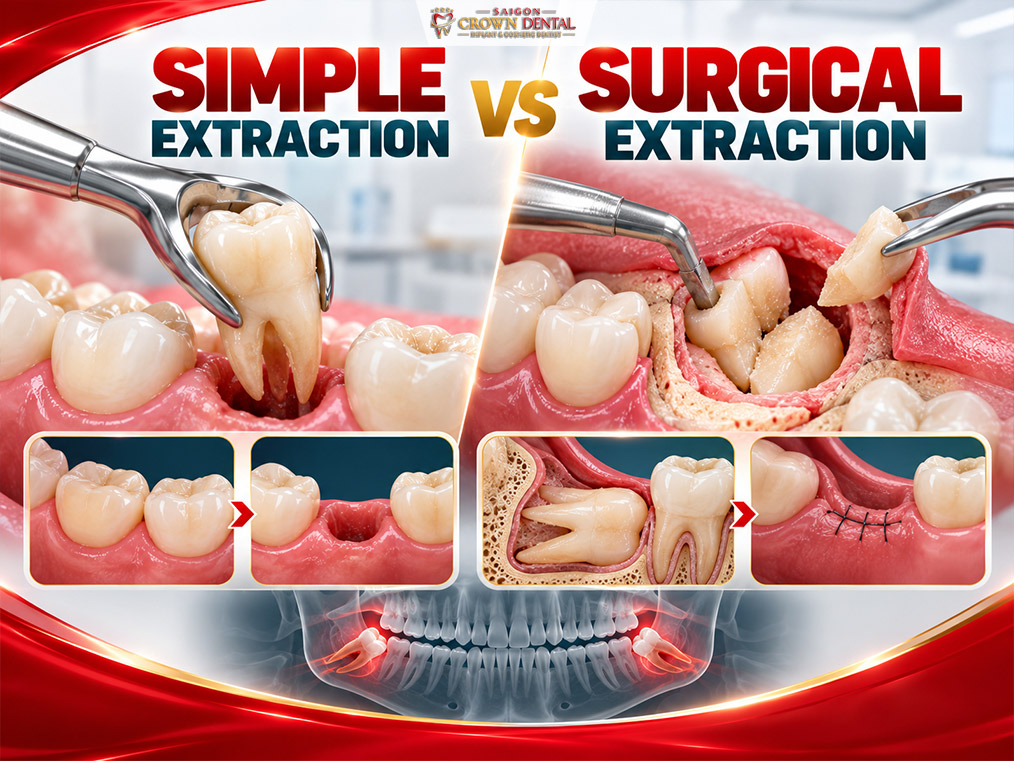
Not all tooth extractions are created equal. Depending on the condition, position, and root structure of your tooth, your treatment will fall into one of two categories. Understanding these differences helps set clear expectations regarding procedure duration, comfort level, and post-operative recovery.
Simple Extraction
A simple extraction is a quick, minimally invasive procedure performed on teeth that are fully erupted, clearly visible, and structural intact above the gumline.
- Teeth loosened by severe gum disease (periodontitis).
- Decayed or fractured teeth where sufficient crown structure remains above the gum for instruments to grip.
- Orthodontic extractions (removing healthy teeth to create space for braces).
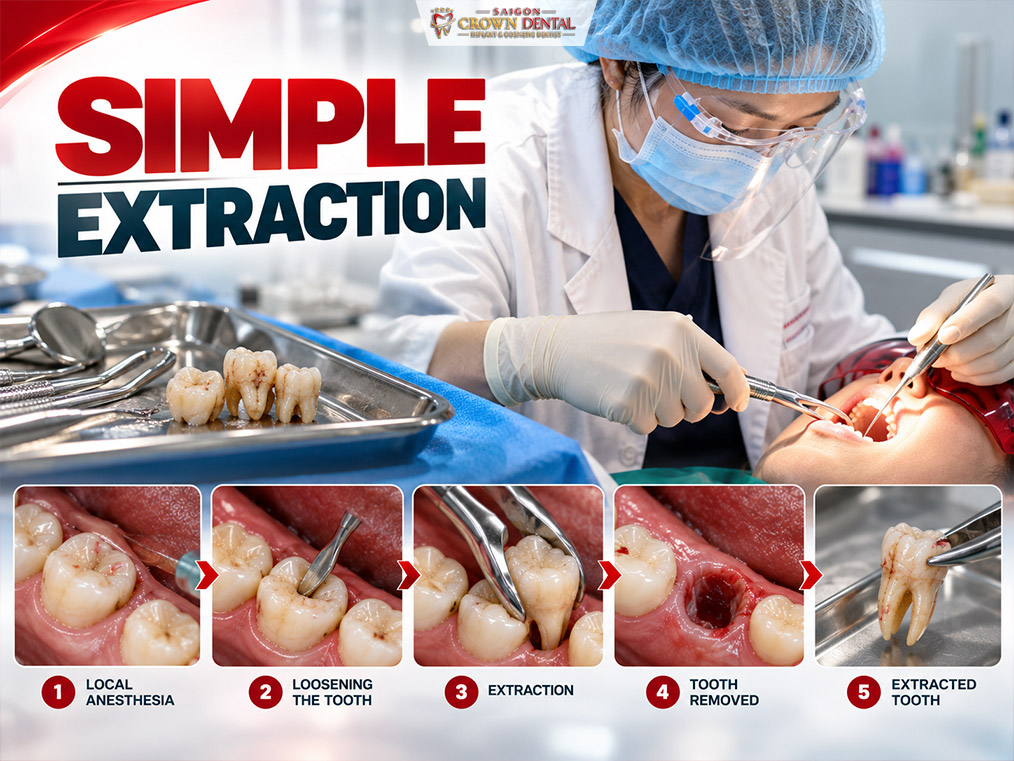
How It Works Step-by-Step:
-
Local anesthesia is applied to completely numb the tooth, surrounding gums, and nearby bone.
-
The dentist uses a specialized dental instrument called an elevator to gently expand the tooth socket and loosen the periodontal ligaments holding the tooth in place.
-
Once adequately loosened, dental forceps are used to carefully hold and lift the tooth out of its socket.
Procedure Time:
Fast and efficient – usually taking just 10 to 20 minutes per tooth (including numbing time).
Recovery Expectation:
Minimal downtime. Most patients experience mild tenderness for 24–48 hours and can resume normal routine activities almost immediately. Stitches are rarely required.
Surgical extraction
A surgical extraction is a specialized oral surgery required when a tooth cannot be easily accessed, manipulated, or removed using basic mechanical leverage.
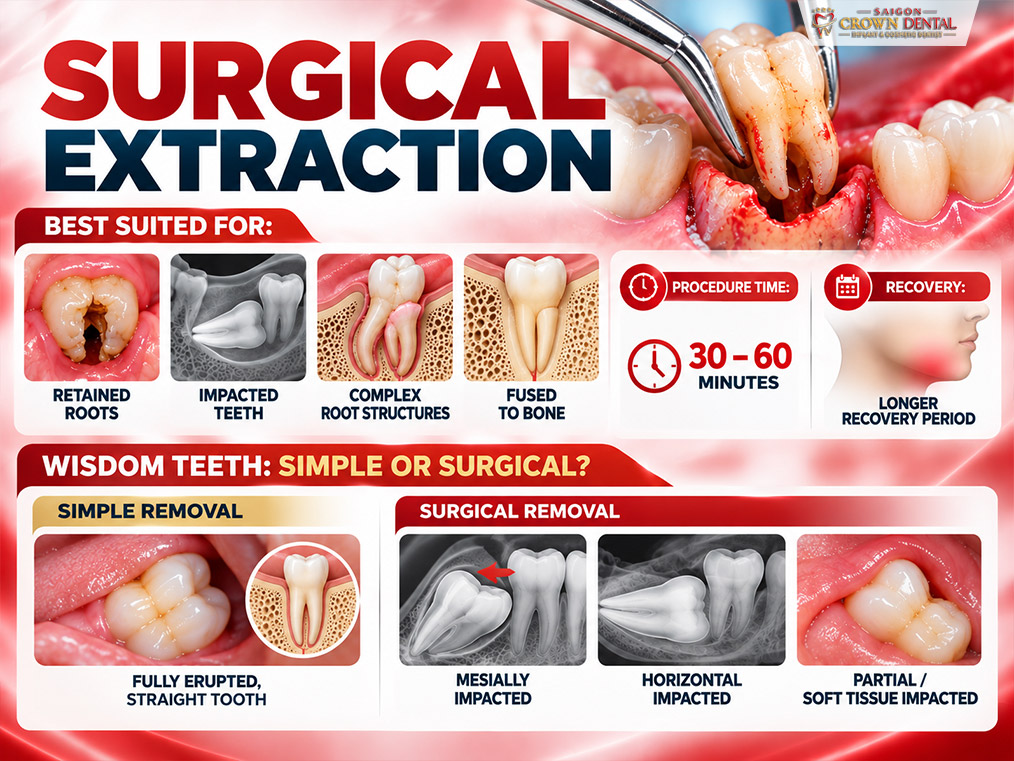
Best Suited For:
- Teeth broken down to or below the gumline (retained roots).
- Impacted teeth (teeth partially or fully trapped under bone and gum tissue).
- Teeth with complex, curved, brittle, or fused root structures.
- Teeth with dense surrounding bone or those that have fused directly to the bone (ankylosis).
Procedure Time:
Typically ranges from 30 to 60 minutes depending on structural complexity.
Recovery Expectation:
Requires a longer recovery period. Mild to moderate swelling and discomfort are expected, peaking around days 2–3 before steadily diminishing. Soft foods and extra care are recommended for 5–7 days
Where wisdom teeth fit in
Wisdom teeth (third molars) are unique because they can require either a simple or a surgical approach:
-
Simple Removal:
If a wisdom tooth has erupted fully, grown in completely straight, aligns well with opposing teeth, and possesses straightforward root morphology, it can often be extracted using simple extraction techniques.
-
Surgical Removal:
Up to 80% of wisdom teeth require a surgical approach. Because the human jaw has evolved to be smaller, wisdom teeth frequently become:
-
-
Mesially Impacted: Tilted forward toward the adjacent molar.
-
Horizontal Impacted: Growing sideways directly into the roots of neighboring teeth.
-
Partial / Soft Tissue Impacted: Trapped under a flap of gum, making them magnets for chronic infection (pericoronitis).
-
Either way, which category your case falls into can only be confirmed after a clinical exam and an X-ray -not guessed over the phone.
Digital X-Rays Before Anything Is Removed
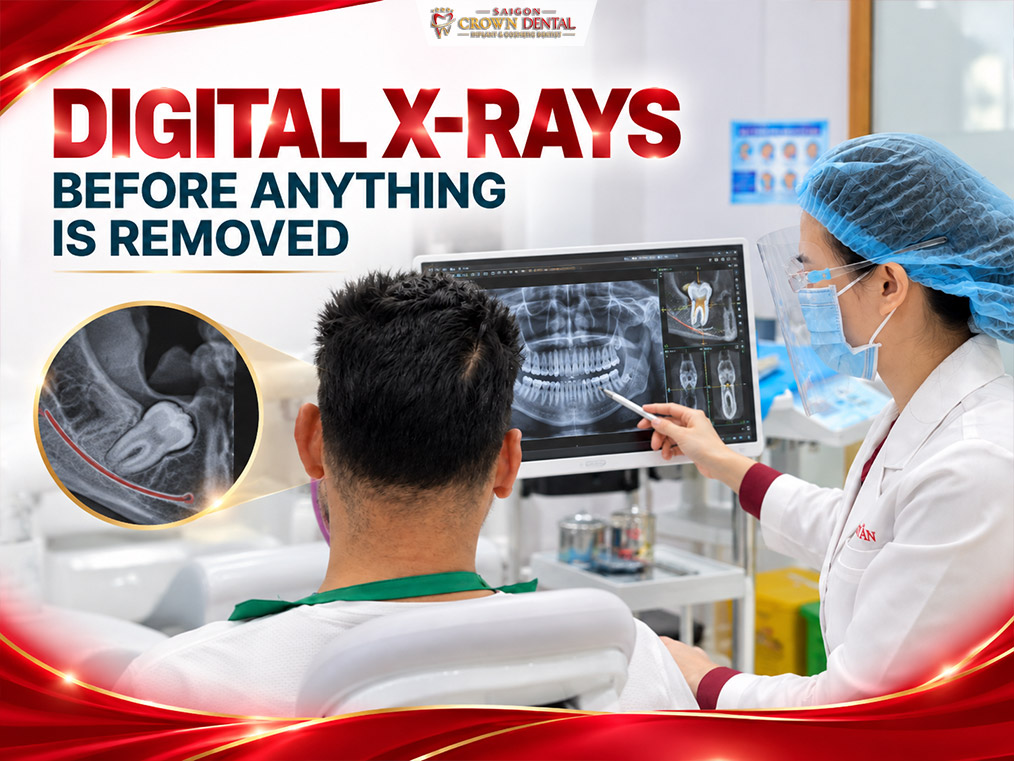
Because a tooth extraction cannot be undone, proper imaging is essential.
What Digital X-Rays Reveal:
-
The precise position of the roots and their proximity to major nerves.
-
The health and density of the surrounding jawbone.
-
Whether 3D CT imaging is needed for complex cases, such as roots sitting very close to nerve canals.
How This Protects Your Natural Teeth:
If an X-ray reveals that your root structure and bone are healthy, a root canal followed by a crown can often save your natural tooth. You will always review your X-rays with your dentist and discuss all available options before any treatment begins.
Tooth Extraction Cost
One of the biggest sources of anxiety for visitors is not knowing what a treatment will actually cost until the bill arrives. Below is our standard price list, so you can see exactly what to expect before you book.
| TREATMENT | PRICE IN USD | NOTE |
| Extraction of a mobile tooth | $40 | per tooth |
| Wisdom tooth extraction (Upper Jaw) | $120 | per tooth |
| Wisdom tooth extraction (Lower Jaw) | $160 | per tooth |
| Impacted wisdom tooth extraction | $240 | per tooth |
| Painless extraction with PIEZOTOME | $200 | per tooth |
Check-up and consultation are free of charge, and an X-ray ($40 per film) is also free once you decide to proceed with treatment. Some listed prices may not yet include VAT, and your final cost will always be confirmed in writing after your clinical exam -before any work begins. You can view pricing for related treatments, such as replacing an extracted tooth, on our full Price List page.
What to Expect During the Procedure
Knowing what happens during your visit helps eliminate fear of the unknown. We move at your pace and ensure you are comfortable every step of the way.
Thorough Numbing:
We apply a topical numbing gel first, followed by local anesthesia. We always test the area to confirm you are 100% numb before touching the tooth.
Gentle Extraction:
- Simple cases: The tooth is loosened gently with specialized tools and lifted out in minutes.
- Surgical cases: A minor gum incision is made, and the tooth may be divided into smaller pieces for easy, low-trauma removal.
- Cleaning & Stitches: The socket is disinfected, dissolvable stitches are placed (if needed), and a sterile gauze pad is applied to stop bleeding.
What You Will (and Will Not) Feel
-
What you WILL feel:
Steady pressure, pulling, and mild vibration. These physical sensations are completely normal because anesthesia blocks pain, not movement.
-
What you WILL NOT feel:
Sharp, stinging pain.
If you feel any sharp discomfort or simply need a break, just raise your hand. Your dentist will stop immediately and adjust your anesthesia.
Managing Pain and Anxiety
No responsible clinic should promise a completely painless experience, because comfort during and after a procedure depends on the tooth’s position, the level of inflammation, and each patient’s own pain tolerance.
What’s normal after treatment
- Some soreness, mild swelling, and tenderness around the site
- Manageable discomfort that responds to over-the-counter or prescribed pain relief
- A signal to contact us if pain intensifies rather than eases over the following days
Options for anxious patients
If you feel anxious about needles or the sound of dental instruments, we can discuss options in advance -including our PIEZOTOME painless extraction technique -so you know what’s available before deciding how you’d like to proceed.
Recovery and Aftercare Guide
The first 24 hours after treatment set the tone for how smoothly the rest of your recovery goes, so this window deserves the most careful attention.
In the first 24 hours
- Bite firmly on gauze for the time your dentist recommends
- Avoid smoking, alcohol, and strenuous exercise
- Avoid vigorous rinsing or spitting so the blood clot can form properly
In the days that follow
- Swelling and discomfort typically peak around day two or three before improving
- Stick to soft foods and avoid chewing near the extraction site
- Keep up gentle oral hygiene without touching the area directly
- Contact us if pain worsens, swelling increases, or you notice a fever
Recovery from wisdom tooth removal or another surgical extraction generally takes a little longer than recovery from a simple extraction, simply because more tissue was involved.
Warning Signs of Dry Socket
A dry socket occurs if the protective blood clot fails to form or gets dislodged, exposing the underlying bone and nerves.
Watch out for:
-
Severe pain that worsens around day 3 or 4 instead of improving.
-
Pain radiating toward your ear, jaw, or temple.
-
An unpleasant taste or odor coming from the extraction site.
If you notice these symptoms, contact us immediately. A dentist must clean and dress the socket directly – increasing pain medication alone will not solve the issue.
Flying After an Extraction
If you are traveling from the US, Canada, Australia, or elsewhere, proper timing is essential before boarding a flight.
-
Simple extractions:
Flying is generally safe within 24 to 48 hours once bleeding has stopped.
-
Surgical extractions:
We recommend building a 2 to 3-day buffer into your travel plans before flying.
-
Why it matters:
Changes in cabin pressure can aggravate swelling or bleeding. Having a short buffer ensures you are close to our clinic if you need a quick post-op check.
Replacing Your Missing Tooth
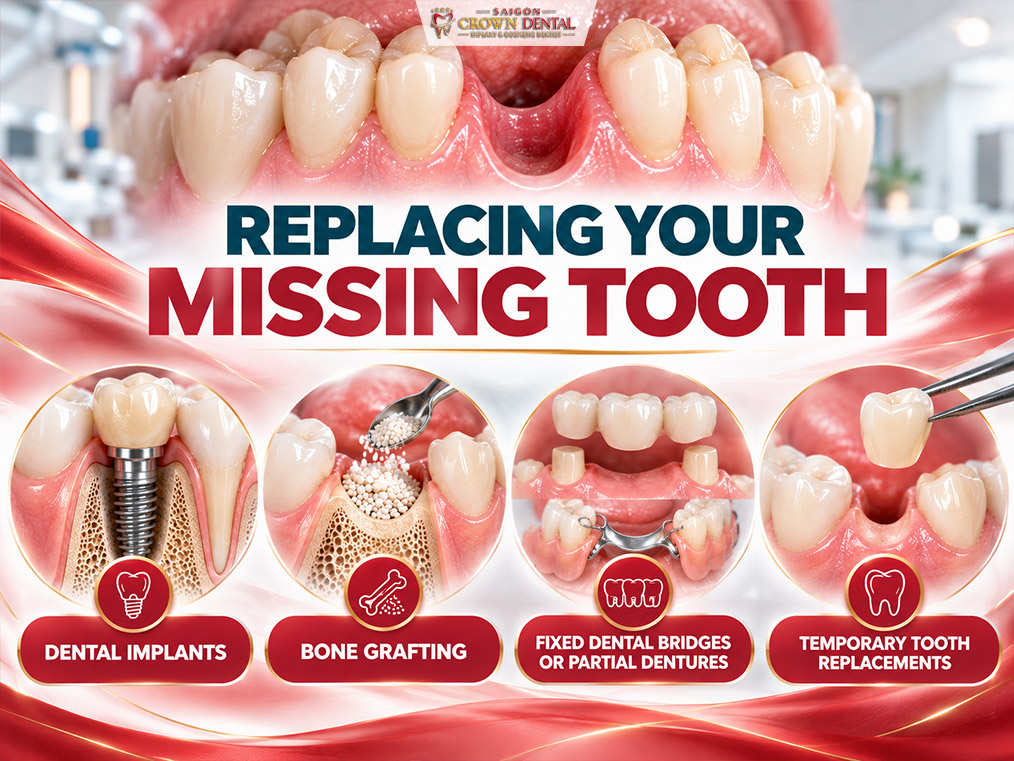
Removing a damaged tooth is often step one in restoring your oral health. Once the socket heals, consider these replacement options:
-
Dental Implants:
The gold-standard, permanent solution that functions and looks like a natural tooth.
-
Bone Grafting:
Recommended if additional bone support is needed to prepare for a future implant.
-
Fixed Dental Bridges or Partial Dentures:
Faster alternatives for restoring your smile.
-
Temporary Tooth Replacements:
Keeps your smile complete while you decide on a permanent solution.
Why choose Saigon Crown Dental?
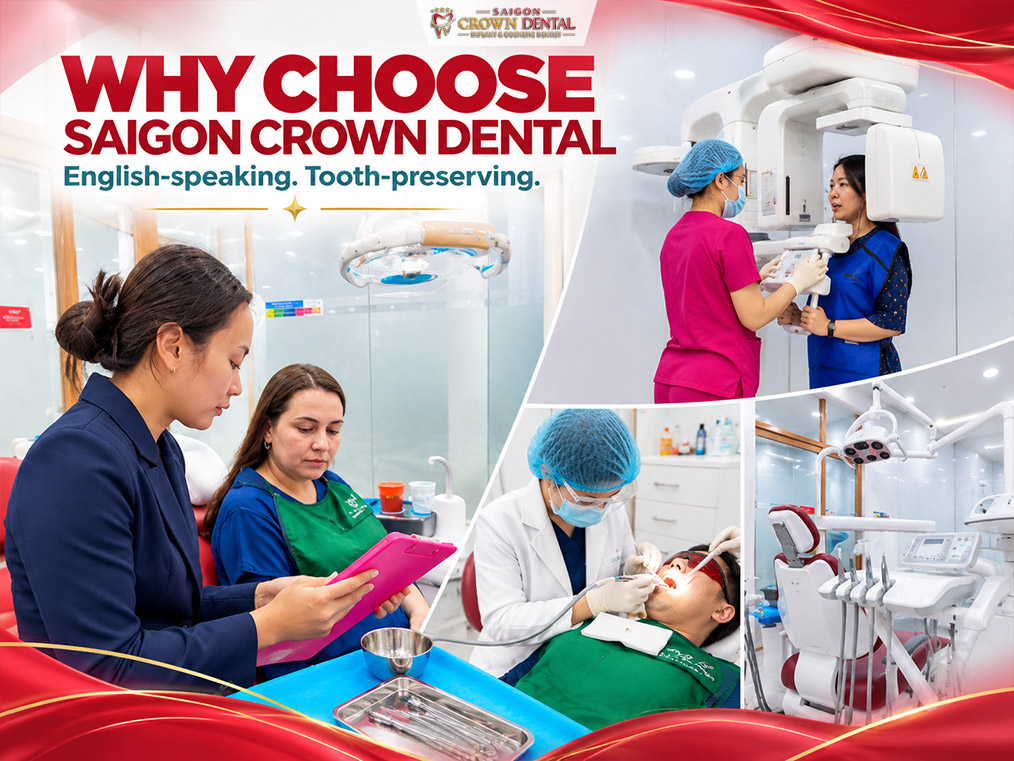
Choosing where to have a tooth extraction abroad comes down to trust as much as price.
-
Fluent English-Speaking Dentists:
Clear communication with no language barriers throughout your visit.
-
Strict Sterilization Standards:
World-class infection control protocols for your peace of mind.
-
English Records:
Complete treatment notes, X-rays, and aftercare plans provided in English for your home dentist.
-
Remote Support:
Ongoing assistance available after you fly back home.

Frequently Asked Questions
-
Do I really need a tooth extraction, or can the tooth be saved?
This can only be confirmed after an exam and X-ray. If the root structure and surrounding bone are healthy enough, a root canal and crown may preserve the tooth instead.
-
What’s the difference between a simple and a surgical extraction?
A simple extraction is used when the tooth is fully visible and can be lifted out directly. A surgical approach is needed when the tooth is impacted, broken below the gumline, or has complex roots.
-
Does the procedure hurt?
The area is fully numbed beforehand, so sharp pain shouldn’t occur during treatment. You may feel pressure or vibration, and some soreness afterward is normal.
-
How much does a tooth extraction cost?
Prices start from $40 for a mobile tooth and range up to $240 for an impacted wisdom tooth, depending on complexity. See the full breakdown above or on our Price List page.
-
How soon can I fly after treatment?
There’s no universal timeline -your dentist will advise based on the type of procedure and how your healing looks at a follow-up check, rather than a fixed number of hours.
-
What are the signs of dry socket?
Pain that worsens a few days after treatment, sometimes with an unpleasant taste or smell, is the main warning sign, and it should be checked by a dentist rather than managed with extra painkillers alone.
-
Will I receive my records in English?
Yes -X-rays, treatment notes, and aftercare instructions are all provided in English so you can share them with your home dentist if needed.
Book Your Consultation
If you’re dealing with a painful tooth or have already been told you need an extraction, send your X-ray or a photo of the tooth to our team before your appointment. A fluent English-speaking dentist will review your case and outline your options -including whether the tooth can be saved -before you commit to anything.