
A damaged or missing tooth isn’t just an aesthetic flaw- it’s a structural crisis for your jaw. Ignoring a gap or a fractured tooth costs more than you think. From rapid bone resorption to asymmetric bite pressure, early intervention preserves your smile. This guide provides a comprehensive roadmap to prevent dental shifting, protect your natural alignment, and restore flawless chewing function at Saigon Crown Dental.
What is a Dental implant?
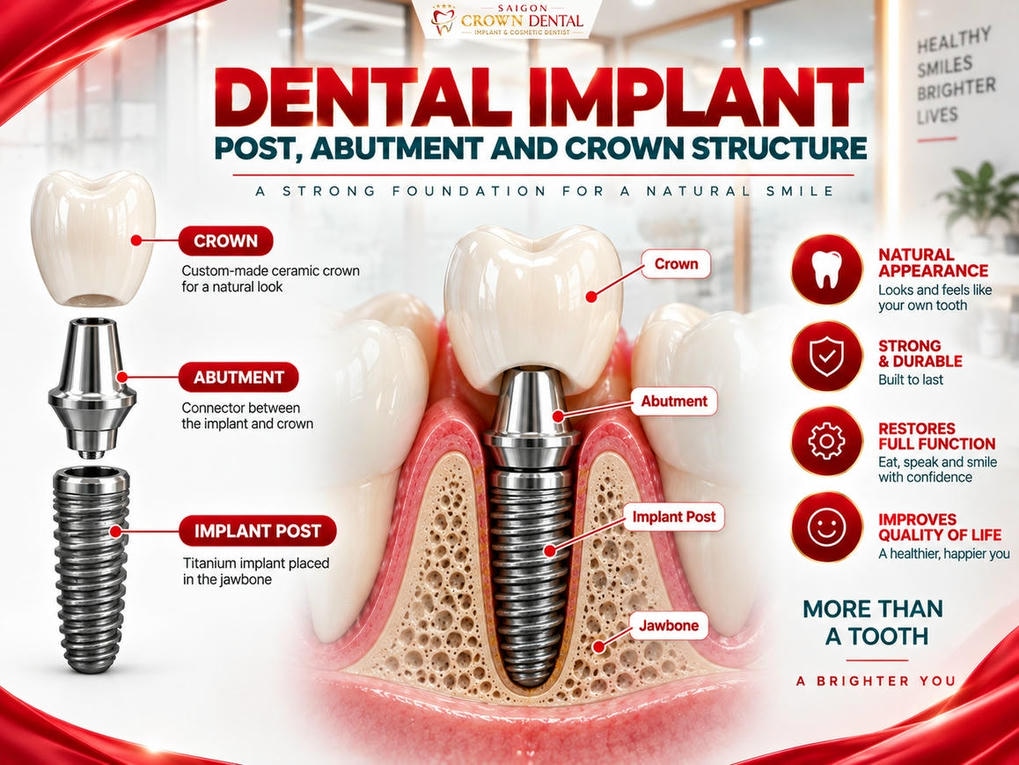
A dental implant is a small titanium post, surgically placed into the jawbone to act as an artificial tooth root. It’s biocompatible, meaning the bone around it recognises it as safe and gradually fuses to its surface rather than rejecting it. Once that fusion is complete, an abutment connector and a custom-made crown are fitted on top to complete the tooth.
What makes an implant different from every other replacement option is where it gets its support. A bridge or a partial denture borrows support from the teeth or gums around the gap. An implant doesn’t borrow anything – it creates its own root, independent of everything else in your mouth. That’s a meaningful distinction, because it’s the difference between a solution that protects your remaining natural teeth and one that puts extra load on them.
Implants vs. Bridges and dentures
Patients often arrive already knowing they need something – the question is which option actually fits their case. A side-by-side comparison usually makes the decision easier than reading about each option separately.
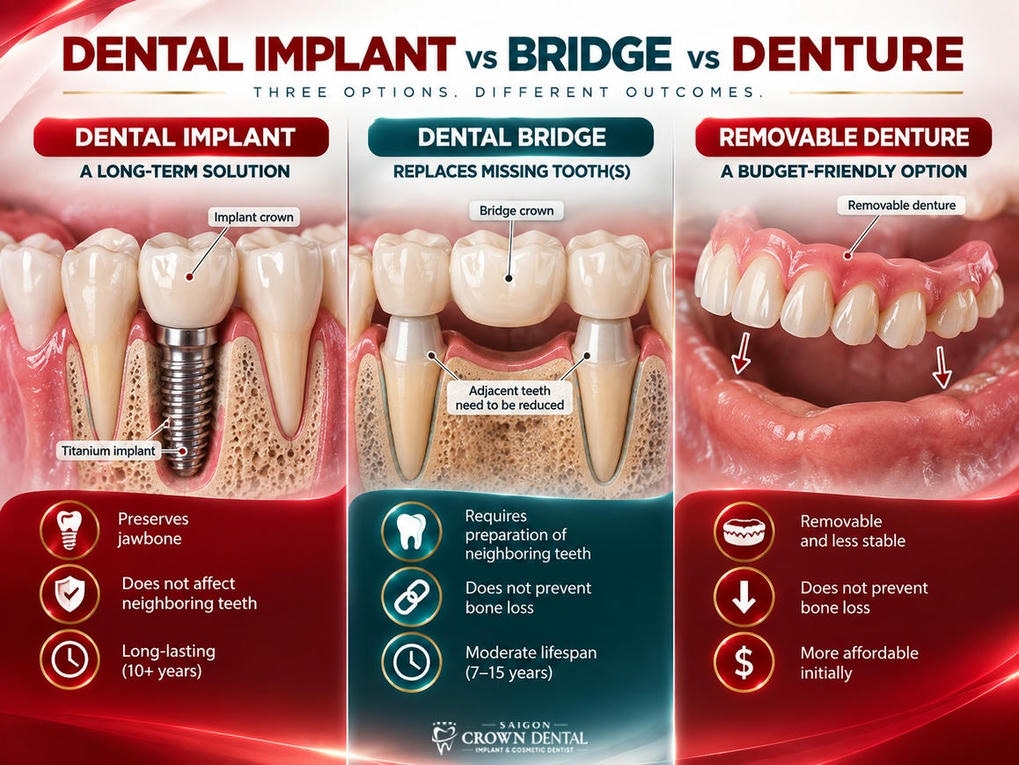
A traditional bridge requires grinding down the two healthy teeth on either side of the gap so they can act as anchors for a false tooth in between. That’s healthy enamel being permanently removed to solve a problem those teeth didn’t cause. A removable denture avoids grinding down teeth, but it sits on the gum tissue and can shift, click, or feel loose – especially when eating something firm or speaking for long periods. An implant does neither. It’s placed directly into the bone, stands on its own, and doesn’t touch or rely on any of the teeth beside it.
|
Criteria |
Bridge / Denture |
Dental Implant |
|
Effect on neighbouring teeth |
Healthy teeth ground down as anchors (bridge) |
No impact – stands independently |
|
Jawbone health |
Doesn’t stop bone loss at the gap |
Stimulates the bone, preventing loss |
|
Chewing feel |
Can feel loose or unstable, especially dentures |
Solid, feels like a natural tooth |
|
Daily maintenance |
Special floss threaders (bridge) or nightly removal/cleaning (denture) |
Brush and floss as normal |
|
Typical lifespan |
7–10 years (bridge); dentures often need relining or replacing |
Can last a lifetime with proper care |
|
Long-term cost |
Repeated replacement adds up over time |
Higher upfront cost, often more cost-effective over time |
Types of dental implants
Not every missing-tooth situation calls for the same approach. The right type comes down to how many teeth are missing, where they are, and how much jawbone is available to work with – all of which your dentist confirms with a 3D CT scan before any treatment plan is finalised.
-
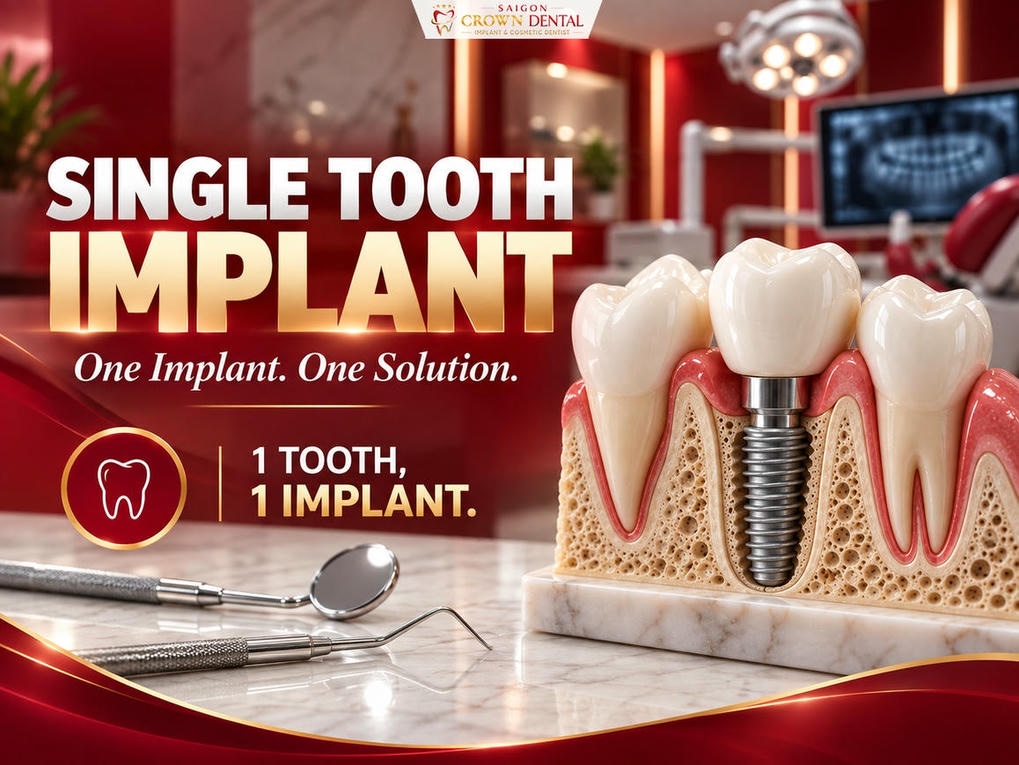
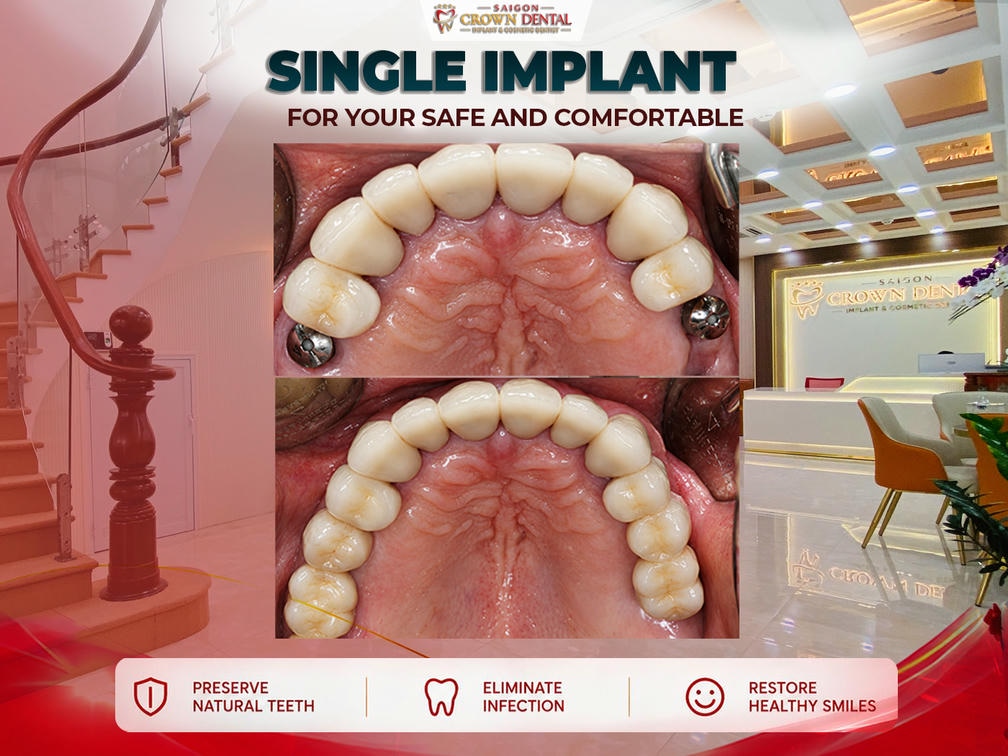
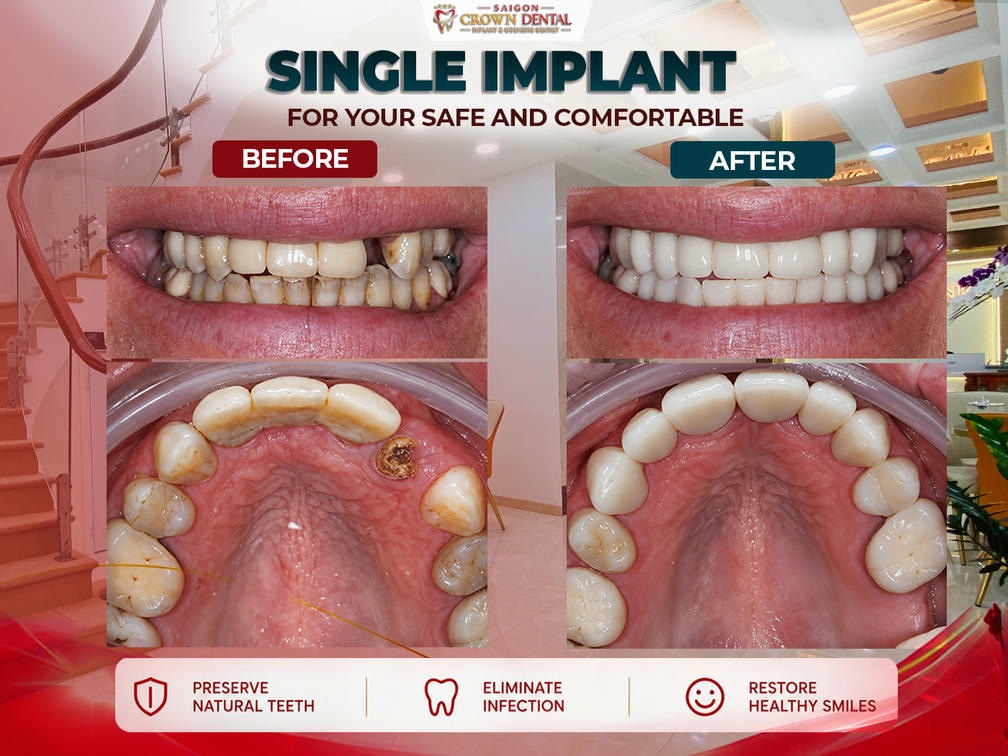
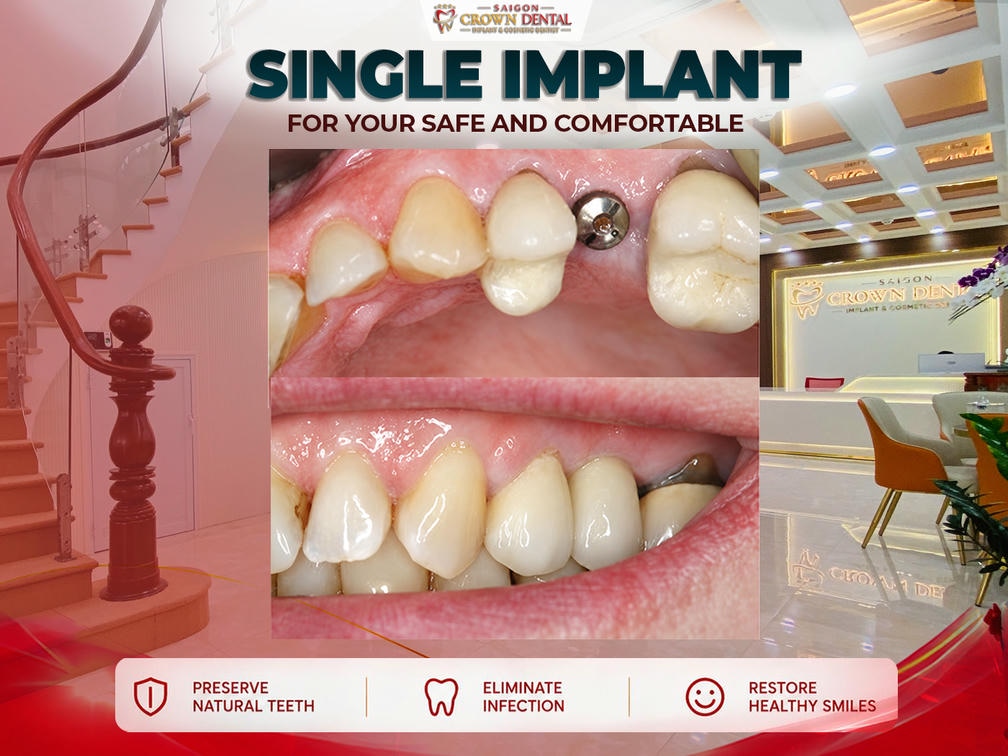
Single implant
The most common case. One post replaces one missing tooth, lost to decay, gum disease, or trauma, without touching the teeth on either side.
-
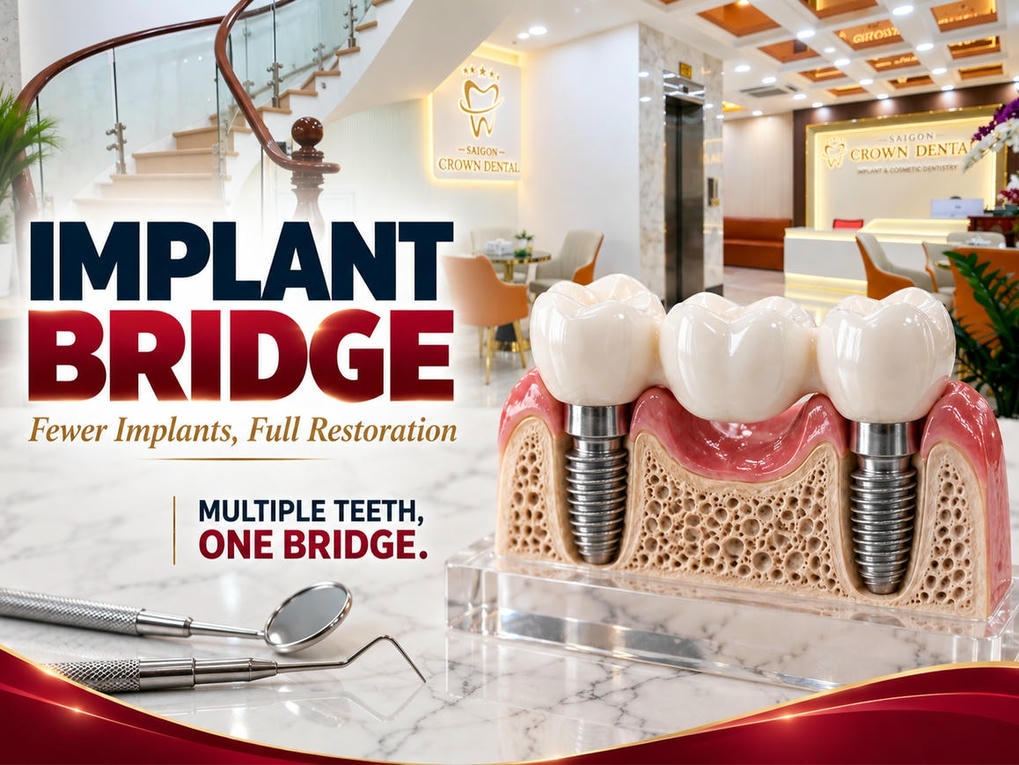
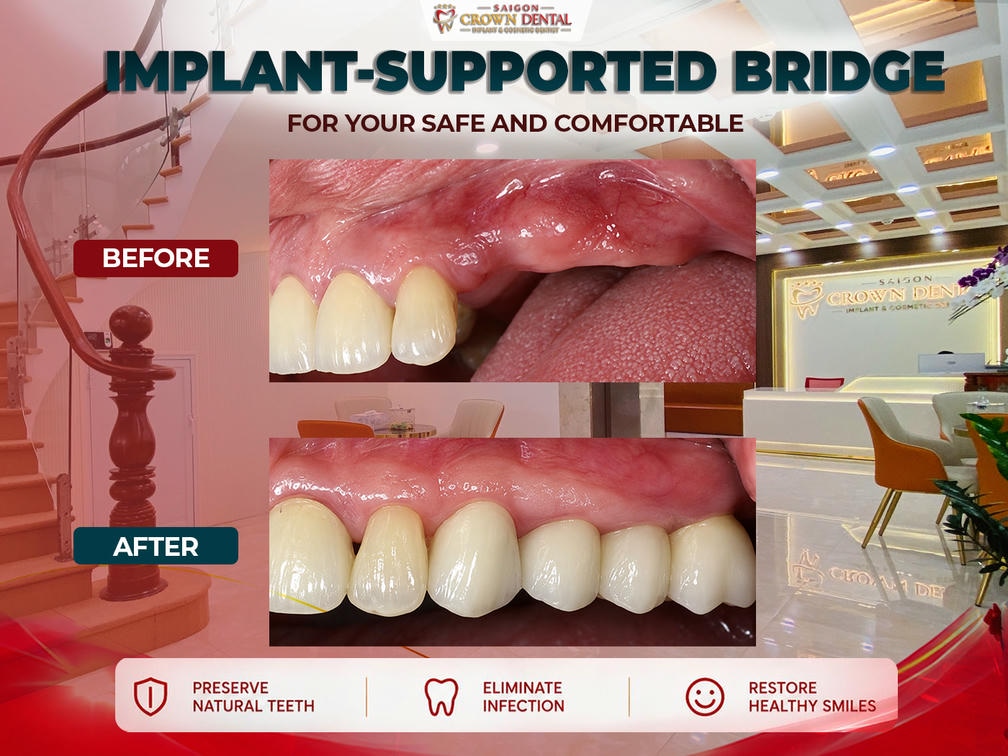
Implant-supported bridge
For several missing teeth in a row, just 2–3 implant posts can support a full span of crowns, instead of needing one implant per missing tooth.
-
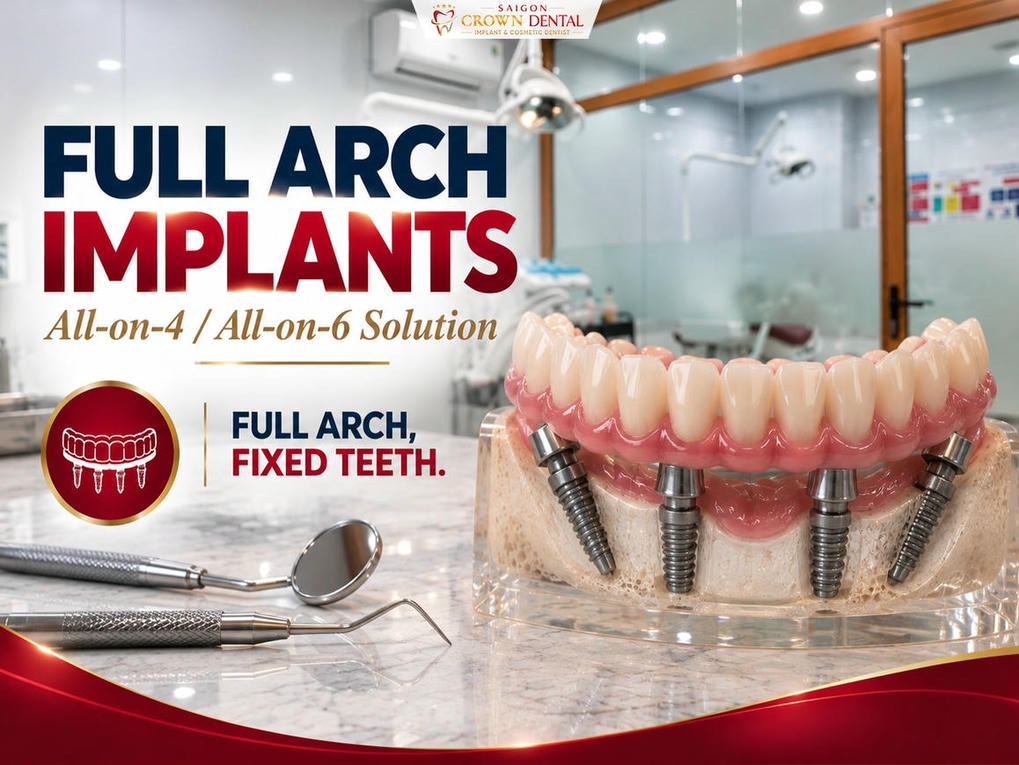
Full-arch implants (All-on-4/All-on-6)
For a full arch of missing or failing teeth, 4–6 posts support a complete, fixed set of replacement teeth. It’s a far more stable alternative to a removable denture, and nothing needs to come out at night.
-
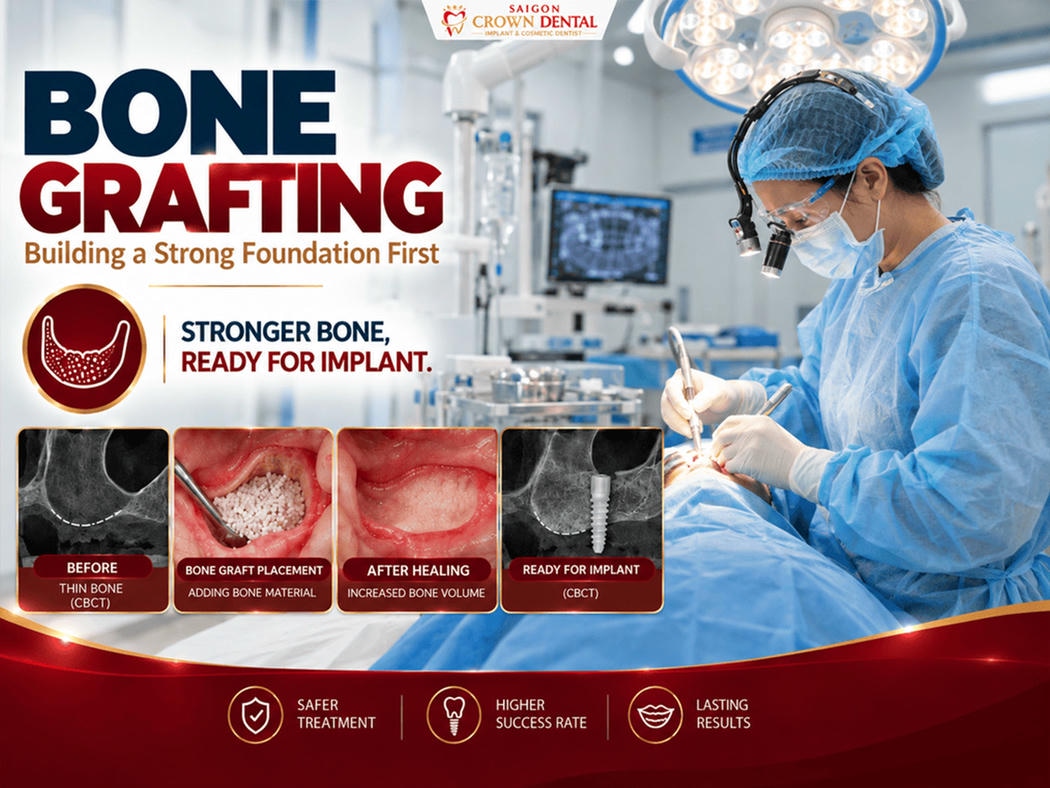
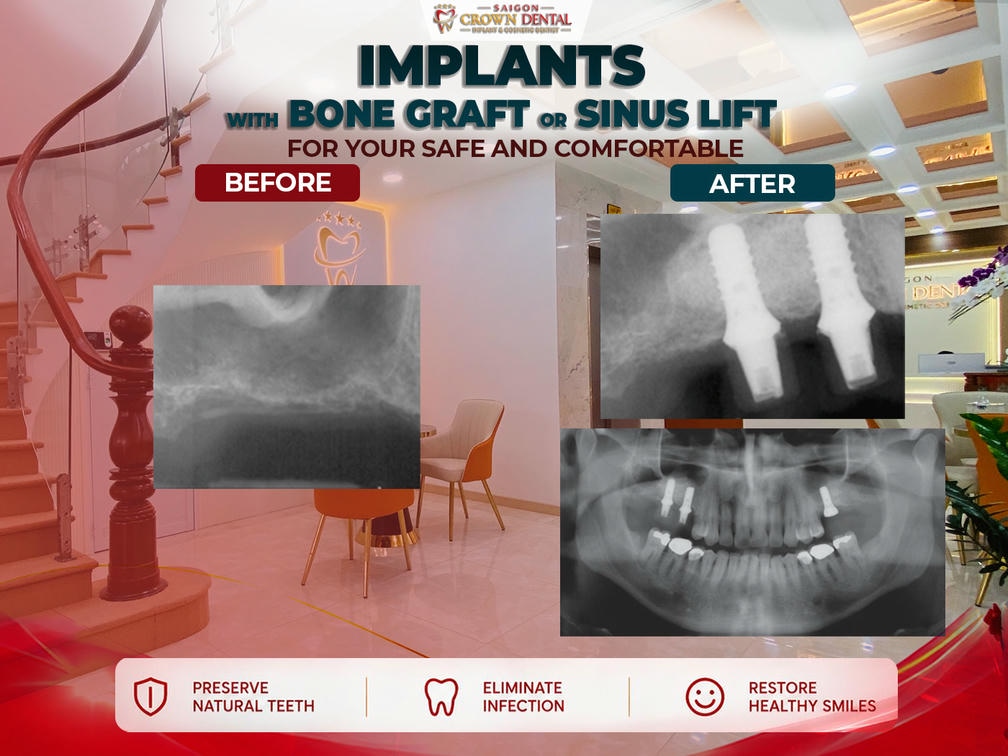
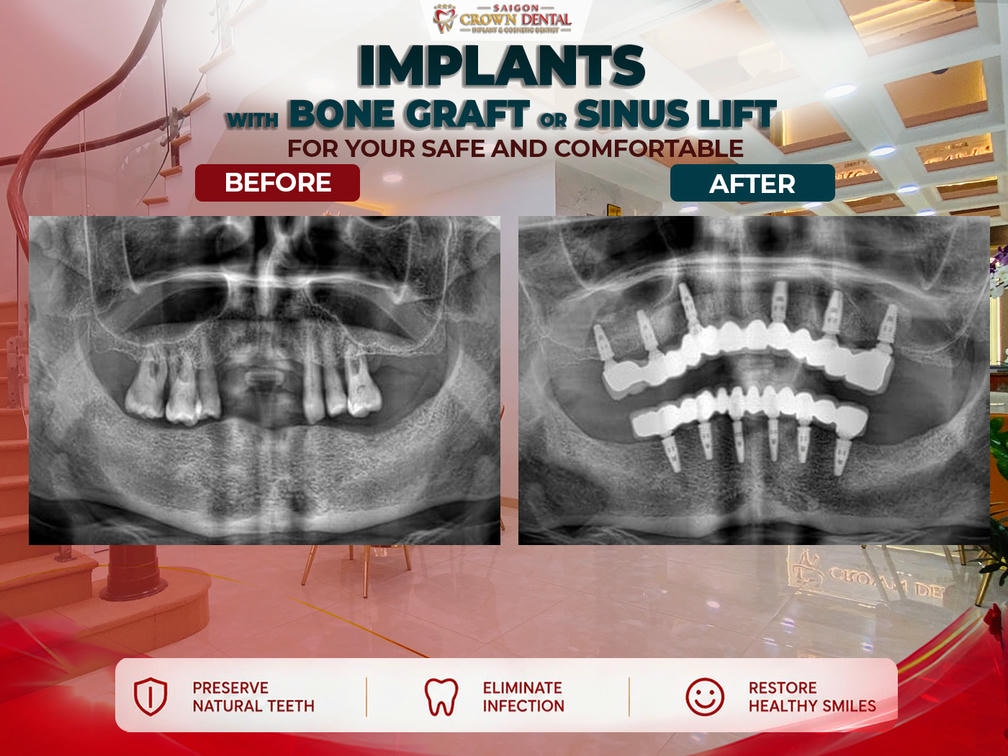
Implants with bone graft or sinus lift
Where bone density or volume isn’t quite enough (common after a tooth has been missing for a long time), a graft builds up a solid foundation first, so an implant is still very much on the table.
Bone Grafting
Who needs a Dental implant?
Not everyone with a missing tooth needs an implant right away, and not everyone is a candidate on their first visit. Your dentist assesses your overall oral health, gum condition, and jawbone density before recommending anything – which is exactly why the first appointment centres on a 3D CT scan rather than a quote.
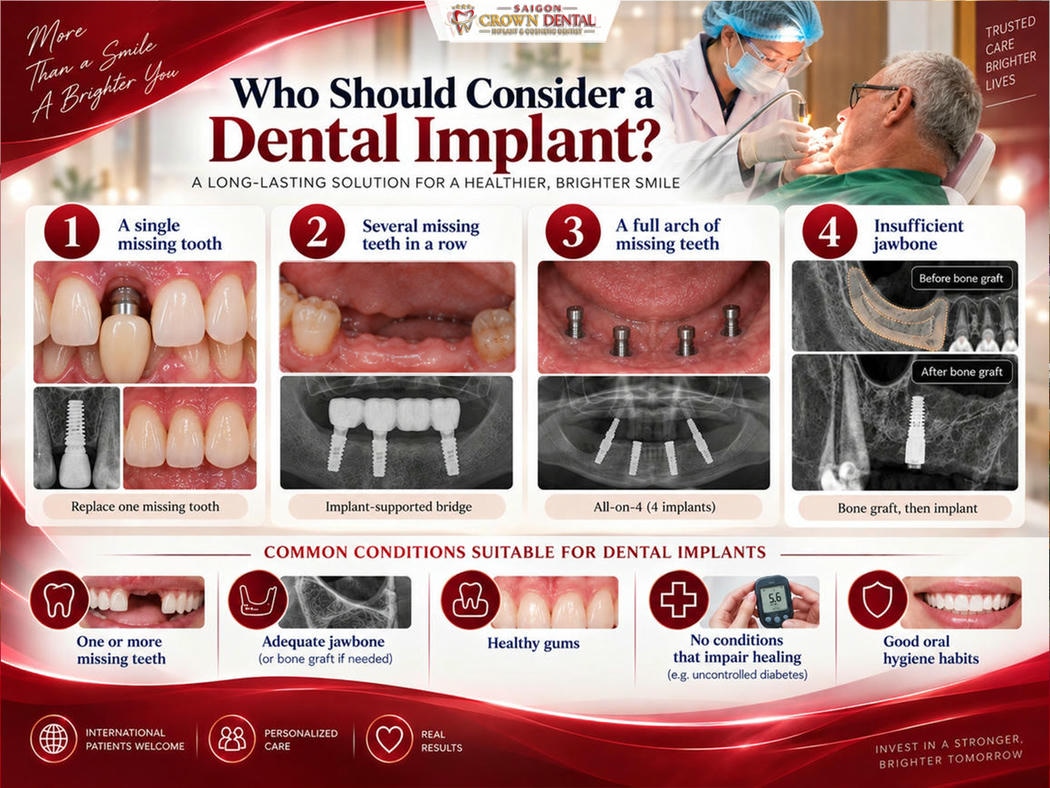
Generally, you’re a good candidate for a dental implant if you have:
- One or more missing teeth, from decay, gum disease, trauma, or a tooth that can no longer be saved
- Adequate jawbone density and volume to support the post – and if you don’t, a bone graft can usually build it up
- Healthy gums, with no active or uncontrolled gum disease
- No condition that seriously impairs healing, such as uncontrolled diabetes or significant immune suppression (these need to be managed first, not ruled out permanently)
- A reasonable commitment to oral hygiene, since it’s what helps an implant last as long as possible
If you’re not sure whether you qualify, that’s a normal starting point, not a barrier. A consultation with a 3D CT scan gives an accurate picture of your jawbone and confirms the right approach for your case specifically.
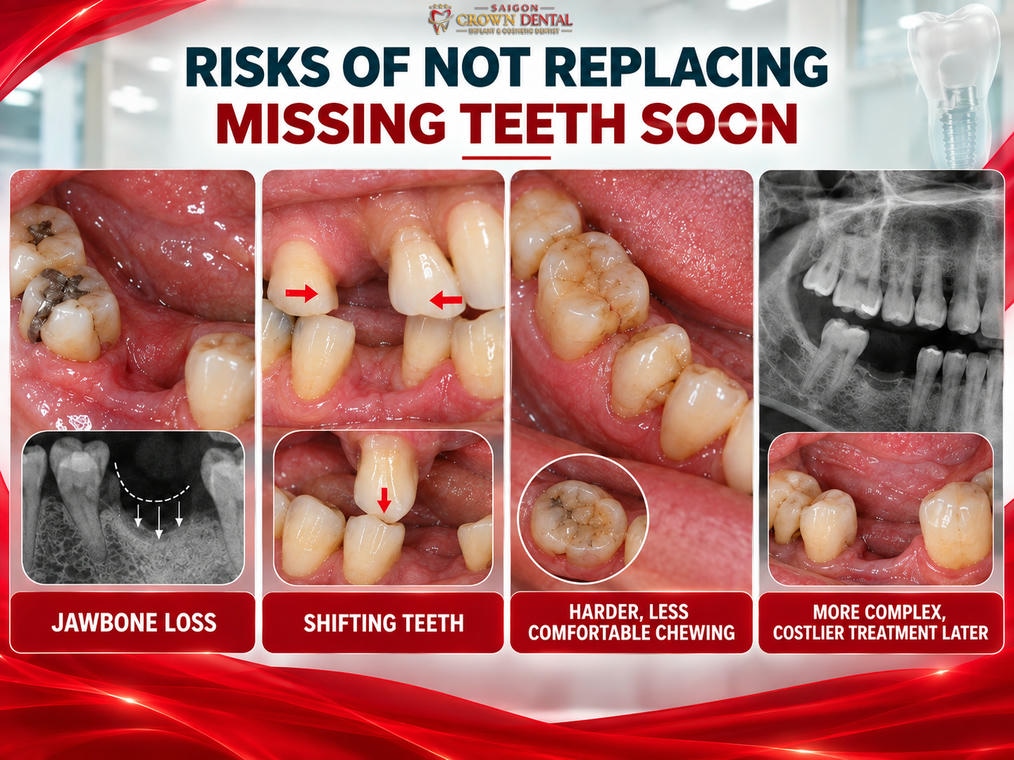
Risks of not replacing missing teeth soon?
Delaying treatment rarely keeps things as they are – a gap doesn’t just sit still. It changes what’s happening structurally underneath it, and those changes tend to compound the longer they’re left unaddressed.
Left untreated, a missing tooth typically leads to:
- Jawbone loss.
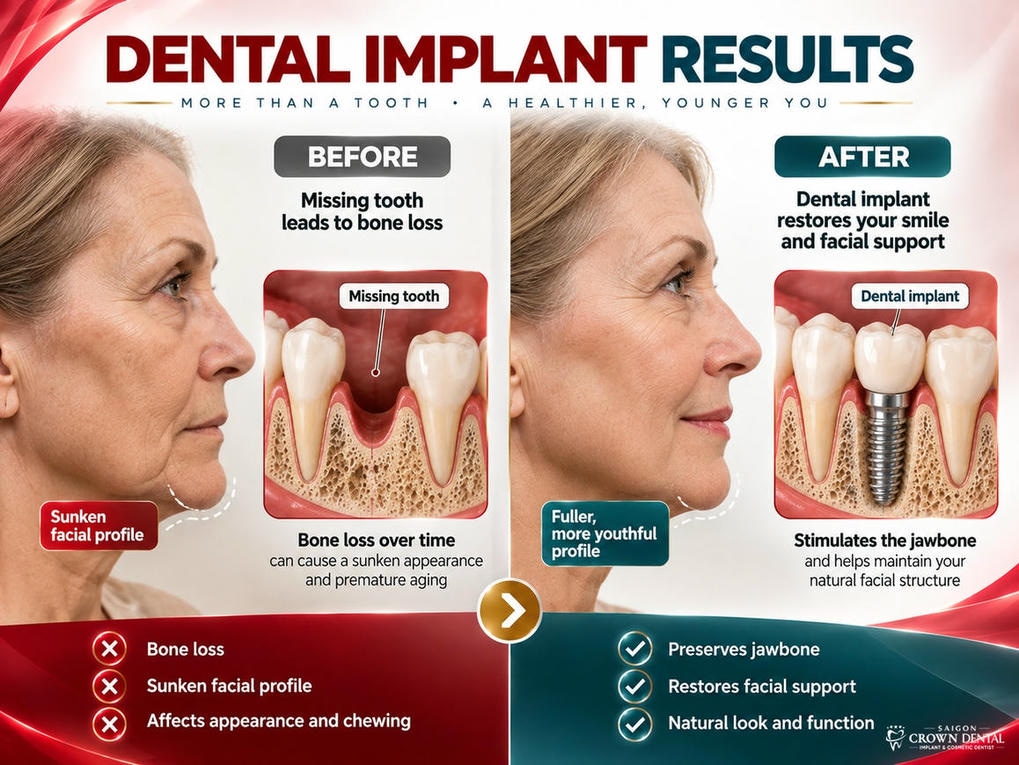
The bone that once held the tooth root has nothing left to stimulate it, so it gradually resorbs. Over months and years, this can visibly sink the cheek and change the shape of the lower face.
- Shifting teeth.
Neighbouring teeth drift into the empty space, and opposing teeth can over-erupt into the gap. Both throw off your bite alignment.
- Harder, less comfortable chewing.
Many patients unconsciously avoid chewing on the affected side, which shifts more load onto the remaining teeth and can accelerate wear elsewhere.
- More complex, costlier treatment later.
As bone volume drops, a bone graft that wasn’t needed a year ago can become a necessary step before an implant is even possible.
None of this happens overnight, which is exactly why it’s easy to put off. But addressing a missing tooth sooner – even without pain – generally means a simpler, faster, and less expensive path to treatment.
The dental implant process at Saigon Crown Dental
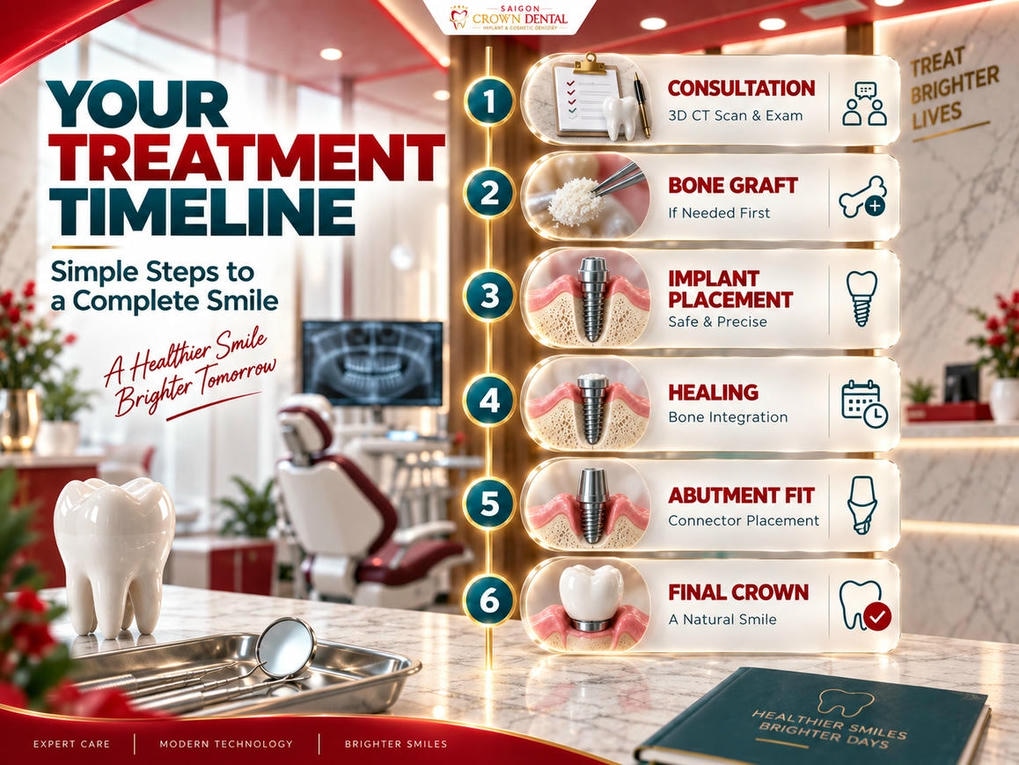
Every implant case follows the same structured sequence, built around precision planning at each stage rather than guesswork. Here’s exactly how it plays out, from your first visit to your final tooth.
-
Step 1 – Consultation and 3D CT scan.
A full oral health check, plus 3D Cone Beam CT imaging, maps your jawbone density and gum condition in detail. This is what allows the implant position, depth, and angle to be planned precisely before any drilling happens.
-
Step 2 – Bone graft, if needed.
For patients whose jawbone doesn’t yet have enough volume or density, this step builds up a solid foundation first. It’s typically done as a separate visit, with its own healing period before the implant is placed.
-
Step 3 – Placing the implant post.
Under local anaesthetic, the titanium post is placed exactly where it was planned on the 3D CT scan. Placing a single post generally takes around 30–60 minutes.
-
Step 4 – Healing and osseointegration.
This is the biological stage that determines how long the implant will ultimately last. The jawbone gradually fuses to the implant surface, typically over a few months, creating a solid, permanent anchor.
-
Step 5 – Fitting the abutment.
Once the post has fully integrated with the bone, the abutment – the connector piece between the post and the crown – is attached, and the gum line is shaped naturally around it.
-
Step 6 – Fitting the final crown.
A custom-made crown, matched in shape, colour, and bite to your natural teeth, is fitted on top. This completes the restoration with natural chewing function and a natural appearance.
In suitable cases, an immediate-load implant – the post and a temporary tooth fitted on the same day – means you’re never left with a visible gap while the bone heals.
How long does treatment take?
This is usually the first question international patients ask, especially when they’re planning treatment around a limited stay in Vietnam. It depends on your case – but the overall timeline is predictable and easy to plan around.
The full process, from placing the post to fitting the final crown, generally takes 3–6 months. Most of that time isn’t spent in the dental chair – it’s the biological healing period where the bone fuses to the implant, and that pace varies from patient to patient. Two factors mainly decide how long your case takes:
-
How quickly your bone integrates
Osseointegration typically runs a few months on its own, and this stage can’t be rushed without risking the implant’s long-term stability
-
Whether a bone graft is needed beforehand
A graft adds its own healing period before the implant post can even be placed
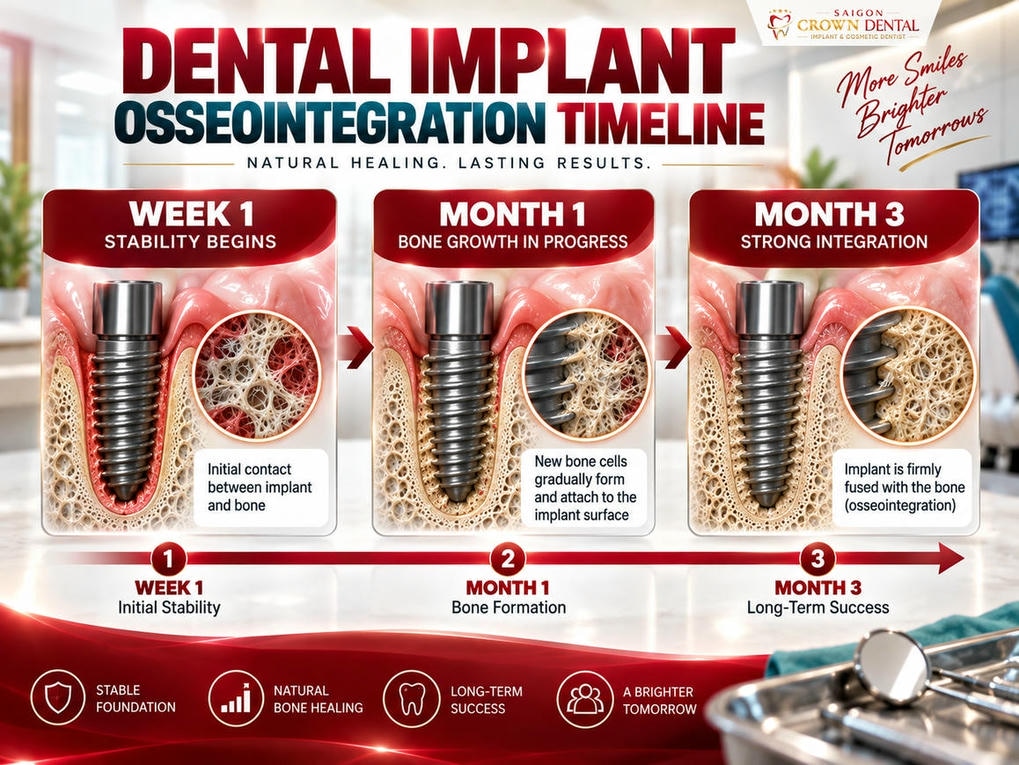
Across that timeline, a typical case involves a consultation and 3D CT scan, the surgery to place the post, a bone graft visit if needed, follow-up check-ins during healing, then fitting the abutment and finally the crown.
For patients suited to it, an immediate-load implant – post and temporary tooth fitted the same day – doesn’t shorten the biological healing time, but it does mean fewer separate trips and no visible gap while you wait. Your dentist will confirm during your first consultation whether your case qualifies, and what timeline realistically fits your stay in Vietnam.
Real patient results
Numbers on an X-ray only tell part of the story. What actually changes for most patients shows up in everyday moments – meals, conversations, and how confident they feel about their bite.
|
Before |
After |
|
Avoiding hard or chewy food, meals feel like a compromise |
Chews like a natural tooth – no more avoiding certain foods |
|
Jawbone gradually shrinks, cheeks can look sunken |
Bone stimulated like a natural root, facial profile preserved |
|
Neighbouring teeth ground down (bridge) or weakened over time |
Surrounding teeth left fully intact, untouched by treatment |
|
Denture shifts or feels loose while eating or talking |
Fixed in place like a natural tooth, no slipping |
|
Bridge or denture typically needs replacing or relining |
Can last a lifetime with proper care, lower long-term cost |
Patients who’ve been living with a gap for years often describe the biggest change as forgetting the implant is even there – which, for a permanent restoration, is really the goal.
-
Single implant case
-
Implant-supported bridge case
-
Full-arch implants case (All-on-4/All-on-6)


-
Implants with bone graft or sinus lift case
Dental implant cost
Implant cost isn’t a single number, because a few variables shape it: the implant brand, the number of teeth being replaced, whether a bone graft is needed, and the crown material chosen. Saigon Crown Dental confirms your exact quote after your CT scan, so there are no surprises once treatment begins.
| TREATMENT | PRICE IN USD | NOTE |
| Premium Korea Implant (Dentium) | $720 | per implant |
| Superline Implant (America) | $880 | per implant |
| JD Dental Implant (Italy) | $1,000 | per implant |
| Kontact / Neodent Implant (France / Switzerland) | $1,000 | per implant |
| Nobel / Straumann SLA Active Implant (Switzerland) | $1,400 | per implant |
| Titanium-porcelain Restoration | $120 | per crown |
| Full Zirconia CAD/CAM Crown on Implant | $320 | per crown |
Every treatment plan is confirmed at your very first appointment, in writing, with no hidden costs – and a warranty is included on the implant post itself.
Why choose Saigon Crown Dental
Patients rarely choose a clinic on price alone – they choose it on how confident they feel in the plan and the people delivering it. A few things set Saigon Crown Dental apart specifically for implant treatment.
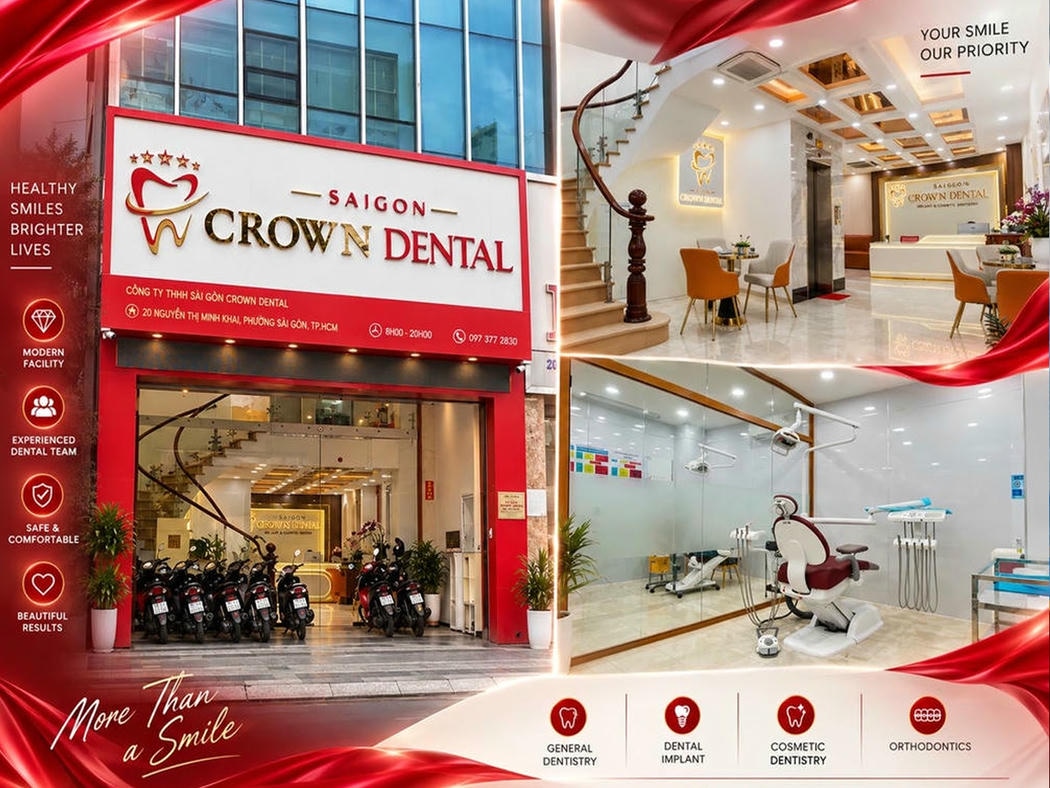
Central Ho Chi Minh City location.
The clinic sits close to where international visitors typically stay, a short taxi or Grab ride away – so appointments don’t eat into an already tight itinerary.
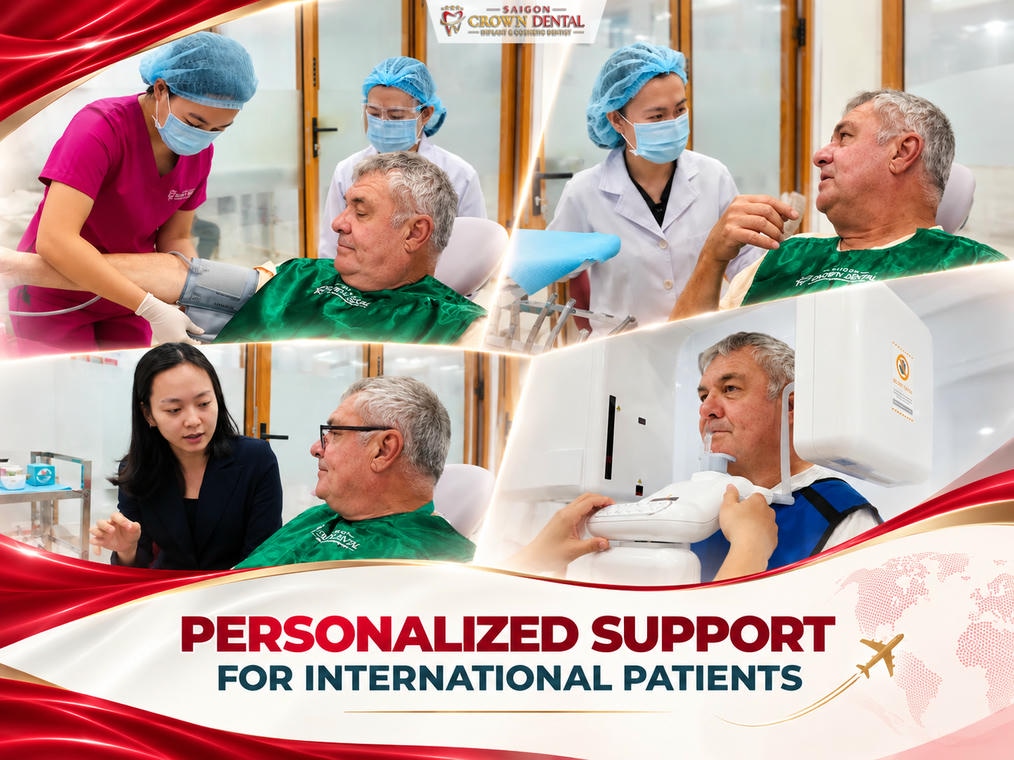
English-speaking dental team.
Your treatment plan is explained directly in English, with nothing lost in translation when it comes to your treatment or your costs.
A tooth-preservation philosophy.
Implants are recommended precisely because they don’t touch healthy teeth – in line with the clinic’s broader approach of only intervening where it’s genuinely needed
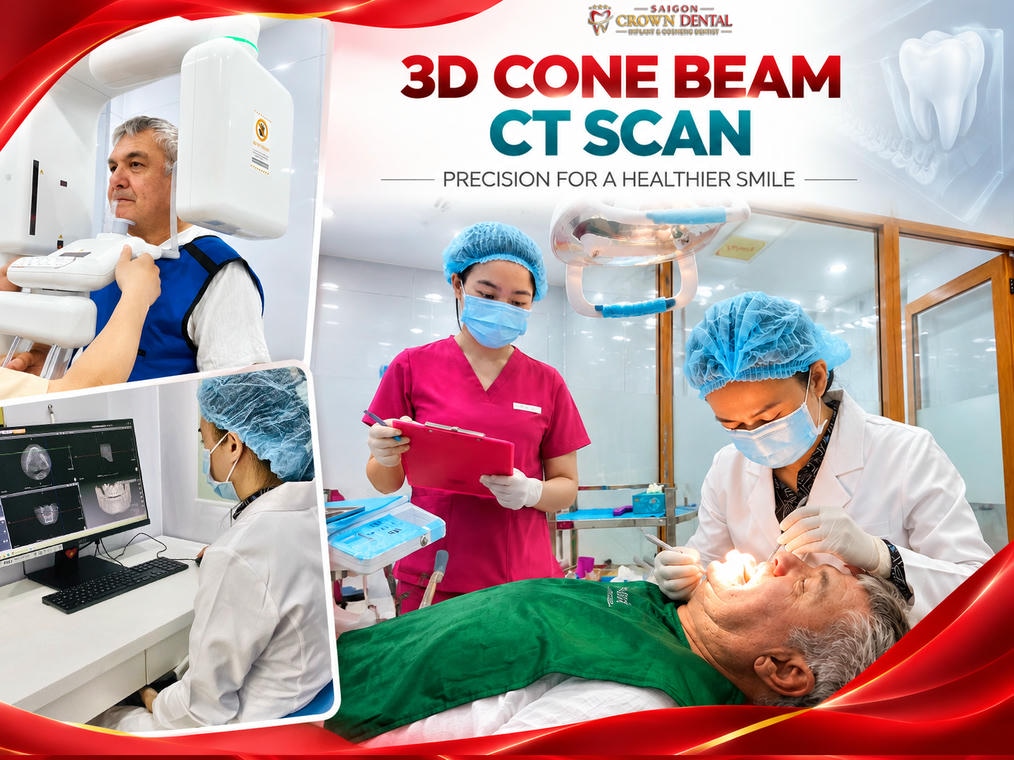
3D CT-planned precision.
Every implant is positioned from detailed 3D Cone Beam CT imaging, not guesswork, minimising the risk of complications.
Transparent pricing.
A clear, written quote at your first appointment, with no hidden fees, plus a warranty on the implant post.
Support for International Patients
Flying in for treatment adds a layer of logistics on top of the dental work itself. Saigon Crown Dental builds that into the package, so your trip runs smoothly from the airport onward, not just in the treatment chair.
- Free checkup and cleaning, included with your implant treatment
- Free dental X-ray, so diagnostics don’t add to your quote
- Airport pickup, on arrival in Ho Chi Minh City
- Transfer to the dental clinic, for every appointment during your stay
- 5 nights at a luxury hotel, covered as part of your treatment package
- An extra 5% off, for groups of 2 or more travelling Ethernet

Frequently asked questions
-
Does getting a dental implant hurt?
Local anaesthetic is used throughout the procedure, so most patients describe pressure rather than pain. Mild swelling or soreness afterward is normal, manageable with prescribed pain relief, and usually settles within a few days.
-
What if my body rejects the implant?
It’s a reasonable concern, but implant failure is uncommon when the jawbone is properly assessed via 3D CT scan beforehand and there’s enough healthy bone to work with.
-
How long do implants last?
With proper care and regular check-ups, the implant post itself can last a lifetime. The crown on top may need replacing after several years, depending on the material.
-
How long does the full treatment take?
Generally 3–6 months from start to finish, including healing and bone integration time – this varies from person to person.
-
Can I still get an implant if I don’t have enough jawbone?
Yes. A bone graft or sinus lift can build up enough bone first. Your dentist confirms exactly what’s needed based on your 3D CT scan.
-
What if the crown chips or comes loose?
Implant crowns are screw-retained rather than glued on, so they’re securely fixed but can still be removed for maintenance if ever needed – unlike older cemented restorations.
-
Does health insurance cover dental implants?
This depends on your individual insurer and policy. It’s worth checking directly with your health fund – Saigon Crown Dental can provide documentation to support a claim.
Ready to replace your missing tooth?
A missing tooth rarely gets easier to treat by waiting on it. Book a consultation and 3D CT scan with Saigon Crown Dental, and leave with a clear, written plan for your specific case – built around your trip to Vietnam, not just your smile.
Experienced implant & restorative dentists • 3D CT technology • Transparent pricing • English-speaking team, set up for international patients