
Teeth whitening has become one of the most sought-after cosmetic dental procedures worldwide, especially among people eager to restore their confidence through a brighter, more attractive smile. For residents and visitors in Ho Chi Minh City, understanding the various options for teeth whitening and how to select the best dental care teeth whitening treatments available is essential. Whether you’re searching for dental bleaching near me, or looking to discover clinics close to you that specialize in professional teeth whitening treatment, this comprehensive guide aims to provide detailed insights to help you achieve optimal results in a safe and effective manner.
What Is Professional Teeth Whitening?
Professional teeth whitening refers to cosmetic dental procedures performed by licensed dentists designed to eliminate discoloration and stain build-up on teeth. This process is more controlled, effective, and faster compared to over-the-counter products, offering patients a noticeable smile enhancement with minimal discomfort. Such treatments are especially suitable for individuals who seek immediate and superior results that can significantly improve their confidence and overall appearance.
In Ho Chi Minh City, many reputable cosmetic dental clinics provide dental whitening treatment, focusing on personalized care tailored to each patient’s needs. From in-office procedures to take-home whitening trays, patients have multiple options to choose from, ensuring that every individual can find a feasible solution aligned with their expectations and lifestyle.
How Professional Teeth Whitening Works
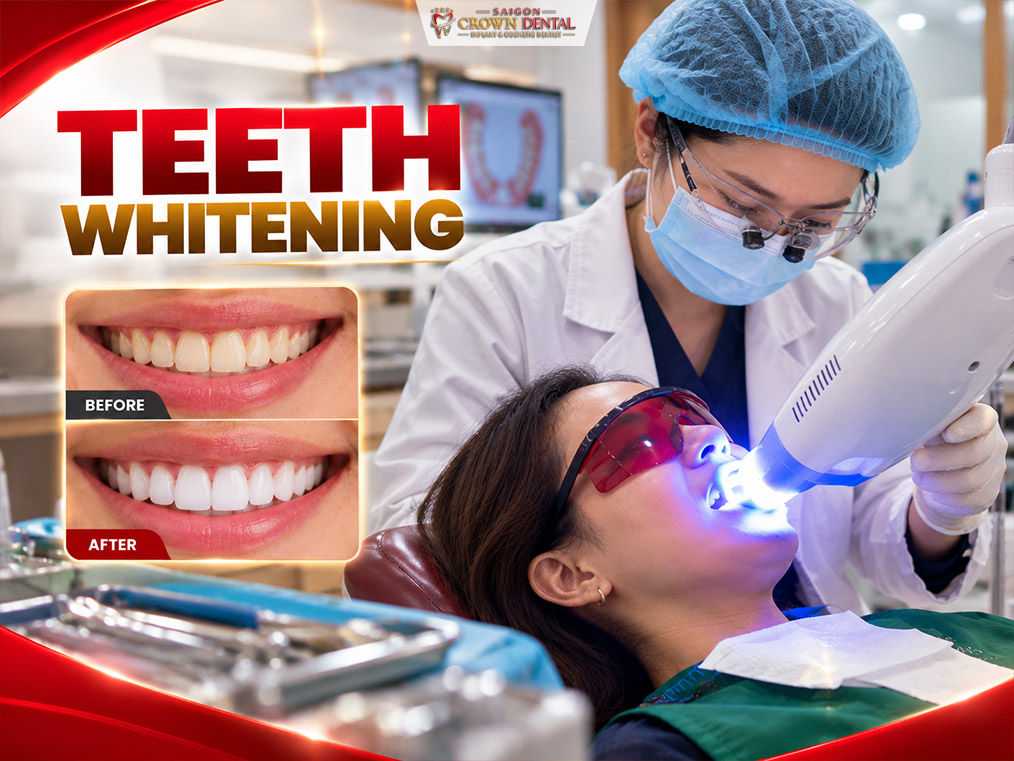
Teeth whitening involves applying bleaching agents-typically hydrogen peroxide or carbamide peroxide-designed to penetrate enamel and break down the stains causing discoloration. When performed by a professional, the process is carefully monitored to maximize safety and efficacy. The bleaching agents are activated using special lights or lasers in some cases, which accelerate the whitening process, leading to faster and more dramatic results.
Additionally, professional dentists customize the treatments based on the type and severity of discoloration. Using advanced techniques and tools, such as dental bleaching in-office or customized whitening trays, they ensure uniform application, reducing the risk of uneven whitening or damage. This tailored approach makes dental bleaching near me or near me teeth whitening options quite popular among patients seeking trustworthy results.
Whitening vs. Bleaching: What Is the Difference?
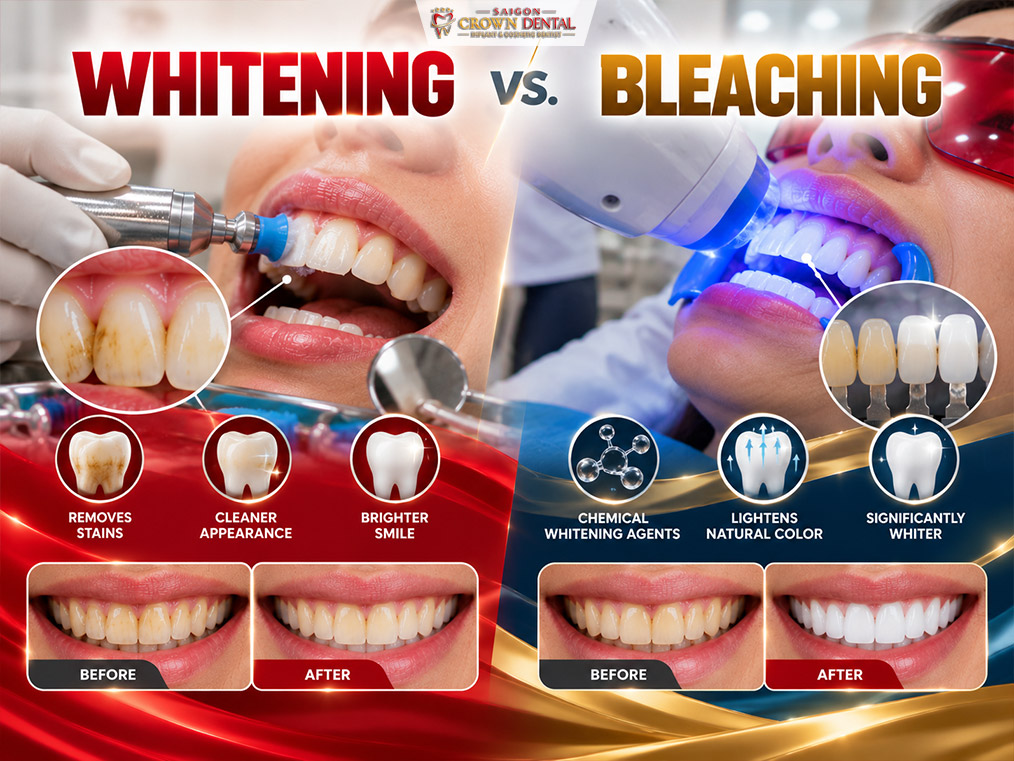
Although the terms are often used interchangeably, “whitening” and “bleaching” have distinct meanings within cosmetic dentistry. Whitening generally refers to any procedure that improves the teeth’s appearance, including cleaning and stain removal, while bleaching involves the use of chemical agents to change the natural color of the teeth, making them significantly whiter.
Teeth whitening encompasses a broader scope, including both professional procedures and over-the-counter products, whereas dental bleaching specifically pertains to chemical whitening agents used in a clinical setting. For those seeking teeth brightening, professional bleaching ensures optimal safety and results, often more than what household whitening strips or pastes can achieve.
Why Do Teeth Become Yellow or Stained?
Understanding why teeth change color helps in choosing the right treatment and setting realistic expectations. Discoloration can stem from various causes, including lifestyle habits and intrinsic factors within the tooth structure.
-
Extrinsic Tooth Stains
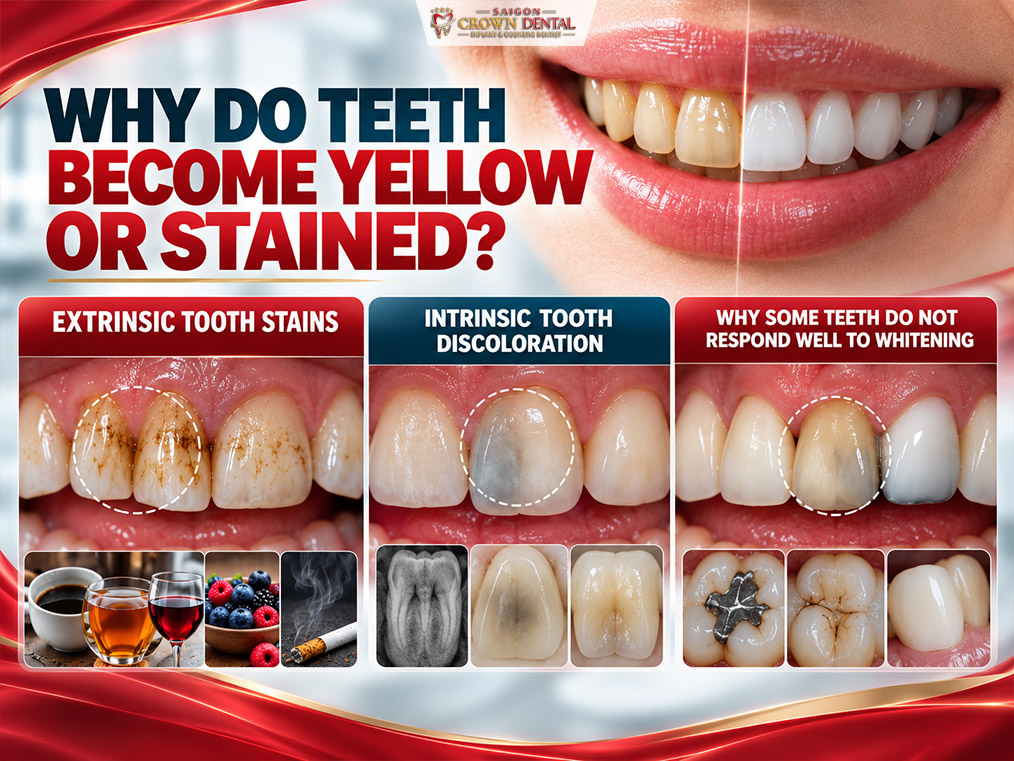
Extrinsic stains are surface stains on the enamel caused largely by external factors like consumption of staining foods and drinks—coffee, tea, red wine, or berries. Tobacco use is also a major contributor, introducing tar and nicotine that adhere tightly to the enamel.
These stains are generally easier to remove through professional teeth bleaching or cleanings. Regular dental care and good oral hygiene significantly reduce the intensity and frequency of extrinsic stains, making dental care teeth whitening a practical solution for maintaining a bright smile.
-
Intrinsic Tooth Discoloration
Intrinsic discoloration involves changes within the tooth’s internal structure, often due to aging, trauma, or exposure to certain medications or fluorides during developmental stages. These stains are more stubborn and may require advanced whitening techniques or alternative options like veneers or crowns if bleaching proves ineffective.
Moreover, intrinsic discoloration often presents as a dull or grayish hue, which cannot always be corrected through conventional professional teeth whitening. It’s essential to consult a skilled dentist for accurate diagnosis and personalized treatment planning, especially if internal factors dominate the discoloration.
-
Why Some Teeth Do Not Respond Well to Whitening
Not all teeth respond equally to dental whitening treatments. Teeth with extensive intrinsic stains, previous restorations like crowns or veneers, or certain types of discolorations associated with medications or trauma may not bleach effectively.
Patients with severe enamel problems or active gum disease may also face limitations. Moreover, artificial materials like crowns or veneers typically do not respond to bleaching agents, emphasizing the importance of comprehensive dental evaluation before proceeding with whitening. This is why consulting with a qualified dentist ensures you choose a treatment plan aligned with your specific dental condition.
Types of Professional Teeth Whitening
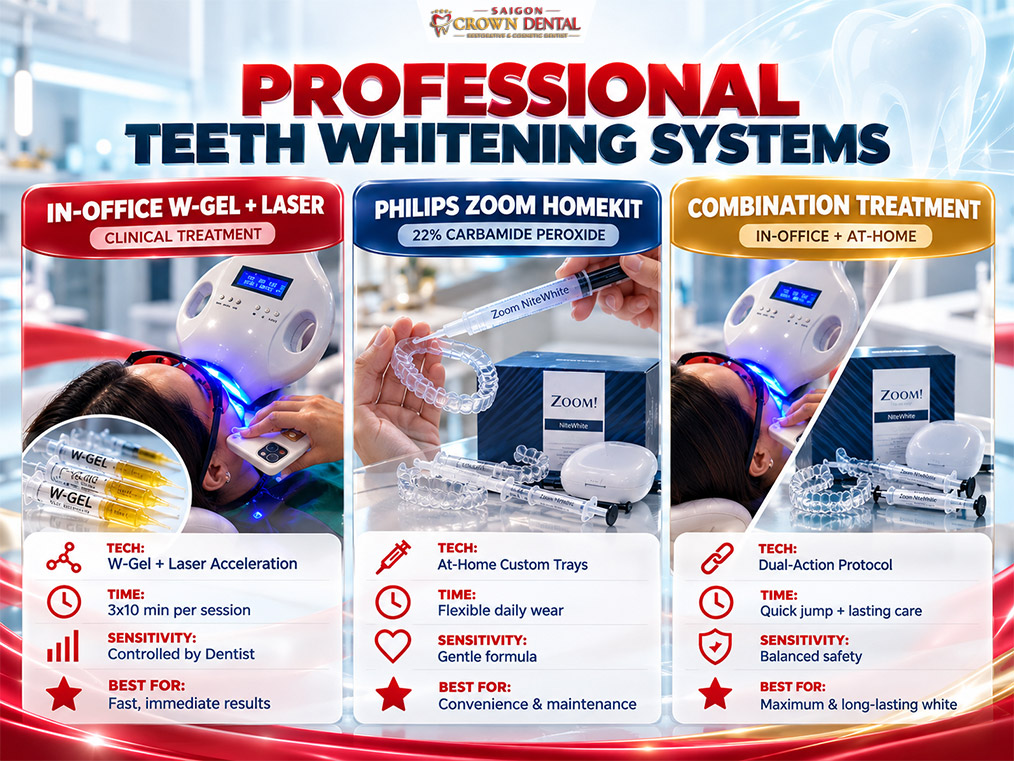
Choosing the right professional teeth whitening approach plays a crucial role in helping you achieve a radiant, safe, and bright smile. Each technique offers distinct advantages in terms of technology, execution time, and convenience, flexibly meeting individual needs.
In-Office Teeth Whitening with W-Gel (In-Office Whitening)
In-office teeth whitening is the optimal solution for anyone looking to improve their tooth color quickly and noticeably in just a single appointment.
- Technological Mechanism:
The procedure uses specialized W-Gel combined with modern dental laser curing lights. The whitening gel features a high viscosity and contains strong active ingredients combined with H2O2 activators, rapidly breaking down deep-set staining molecules within the tooth enamel under specialized lighting support.
- Execution Time:
Very fast; dentists typically apply the gel 3 times (about 10 minutes each time) during a single treatment session, minimizing time investment for the client.
- Key Advantages:
Delivers immediate results right after leaving the dental chair thanks to professional oversight by a dental specialist, making it ideal for important occasions or events requiring a bright smile in a hurry.
At-Home Whitening with Philips Zoom NiteWhite 22% (Take-Home Whitening)
For clients who prefer flexibility and independence, or want to maintain long-lasting color stability after an in-office whitening session, the at-home kit is the perfect choice.
- Operating Mechanism:
The dentist takes dental impressions to custom-fit trays specifically for your dental arch. Combined with Philips Zoom NiteWhite 22% Carbamide Peroxide gel tubes, you can comfortably perform the treatment at home following proper instructions.
- Execution Time:
The process spans across a few days or weeks depending on the desired level of brightness, allowing teeth to lighten naturally.
- Key Advantages:
This method provides maximum comfort in the privacy of your own home, effectively manages sensitivity, and maintains a sustainably bright smile over time.
Combination Whitening Treatment
To achieve maximum aesthetic results and extend the lifespan of your tooth color (especially for stubborn or deeply stained teeth), the dental clinic recommends a combination treatment:
- Step 1:
Perform fast in-office whitening using W-Gel combined with light activation to create an immediate breakthrough in brightness.
- Step 2:
Periodically use the Philips Zoom 22% tray kit at home to maintain radiance and keep your smile looking pristine year-round.
This combination offers a comprehensive solution that ensures safety under the supervision of a dental professional while providing long-lasting aesthetic results
What Happens During Professional Teeth Whitening?
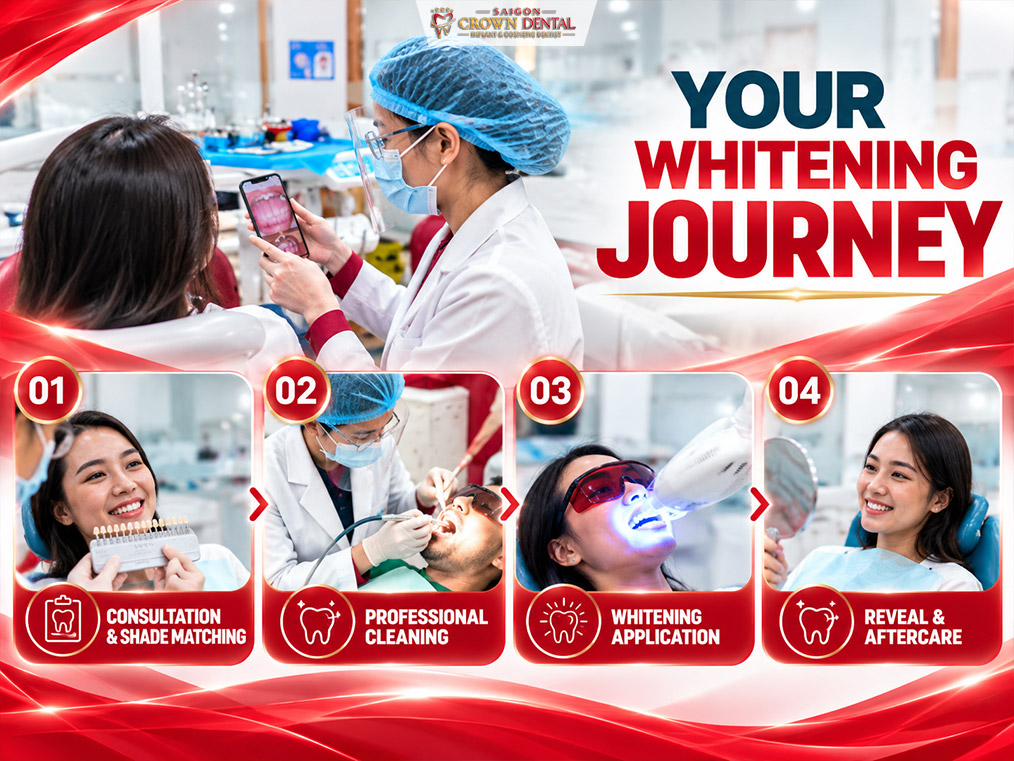
Understanding the procedure step-by-step provides clarity and assurance before deciding on treatment. A typical professional teeth whitening session involves careful planning, execution, and follow-up.
-
Step 1 – Dental Examination
The process begins with a thorough dental exam to assess oral health and identify any existing issues like cavities or gum disease that require treatment before whitening. Dentists also examine the teeth and gums for suitability, which helps minimize risks such as sensitivity or irritation.
This initial step ensures that the whitening procedure is safe and effective. The dentist may also take photographs or shade measurements to document progress and final results.
-
Step 2 – Shade Assessment
A shade guide or digital imaging helps establish the current tooth color, serving as a baseline for comparison post-treatment. This step is crucial to set realistic expectations, as well as to validate the improvement achieved through professional teeth whitening.
Accurate shade assessment ensures that both dentist and patient agree on desired outcomes, facilitating satisfaction with the results. It also guides the selection of bleaching protocol intensity and duration.
-
Step 3 – Gum and Tooth Protection
To prevent sensitivity and protect soft tissues, the dentist applies protective barriers such as rubber dams or gels. Sometimes, a desensitizing agent is also used before bleaching to minimize discomfort.
Proper protection is vital, especially during dental bleaching in office procedures, where high-concentration agents are employed. This step underscores the importance of professional care in achieving safe, effective whitening.
-
Step 4 – Whitening Treatment
Next, the actual whitening agent is applied to the teeth. In favored dental bleaching near me, this might involve applying a potent bleaching gel that is activated by a special light or laser to expedite the process. The gel remains in place for a specific period, during which the dentist monitors the procedure.
Multiple sessions may be required depending on the severity of stain or desired brightness. The professional oversight ensures controlled application, preventing overexposure or damage.
-
Step 5 – Final Shade Comparison
After completing the whitening process, the dentist assesses the achieved tooth shade and compares it to the initial assessment. They may make minor adjustments or recommend additional treatments if desired.
The final step confirms the success of teeth brightening and allows the patient to see a tangible difference. Follow-up care instructions help prolong results and maintain a sparkling smile.
Am I a Good Candidate for Teeth Whitening?
The suitability for professional teeth whitening depends on several factors. Proper evaluation by a qualified dentist is essential to determine whether whitening will meet a patient’s expectations or if alternative cosmetic treatments are more suitable.
-
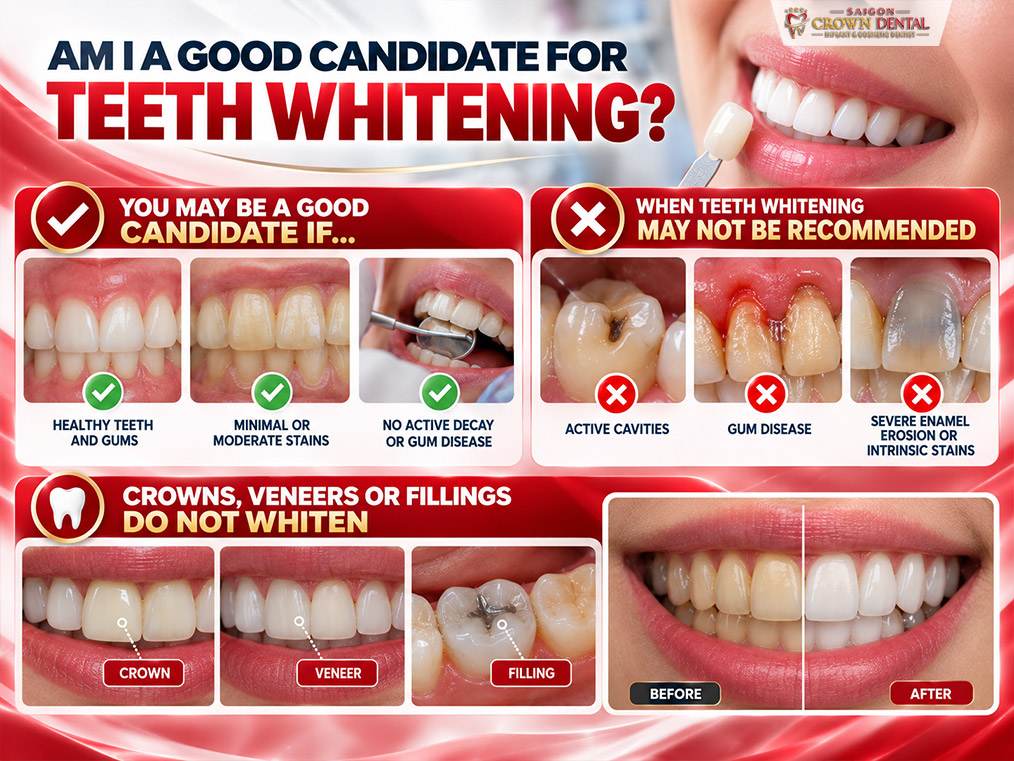
You May Be a Good Candidate If…
Healthy teeth and gums are the foundation for successful whitening. Patients exhibiting minimal or moderate stains, with no active decay or periodontal issues, typically respond well to teeth whitening.
Having realistic expectations is vital; whitening enhances the natural teeth but cannot alter the color of crowns, veneers, or fillings. If these restorations are visible, additional cosmetic procedures like veneer placement may be recommended for cohesive aesthetics.
-
When Teeth Whitening May Not Be Recommended
Active cavities or gum disease must be treated prior to any whitening procedures to prevent exacerbating underlying issues. Severe enamel erosion or intrinsic discolorations that do not respond to bleaching indicate that alternative treatments, such as veneers or crowns, may provide better results.
Certain intrinsic stains, such as those caused by medication or developmental defects, might not significantly improve through whitening and require personalized strategies. A thorough examination ensures the best treatment plan.
-
Can You Whiten Crowns, Veneers or Dental Fillings?
Since restorations like crowns, veneers, or fillings do not respond to bleaching agents, dental whitening does not alter their shade. If you have extensive restorations, you may need to consider replacing discolored restorations after whitening to achieve a uniform look, or discuss other cosmetic options with your dentist.
Is Professional Teeth Whitening Safe?
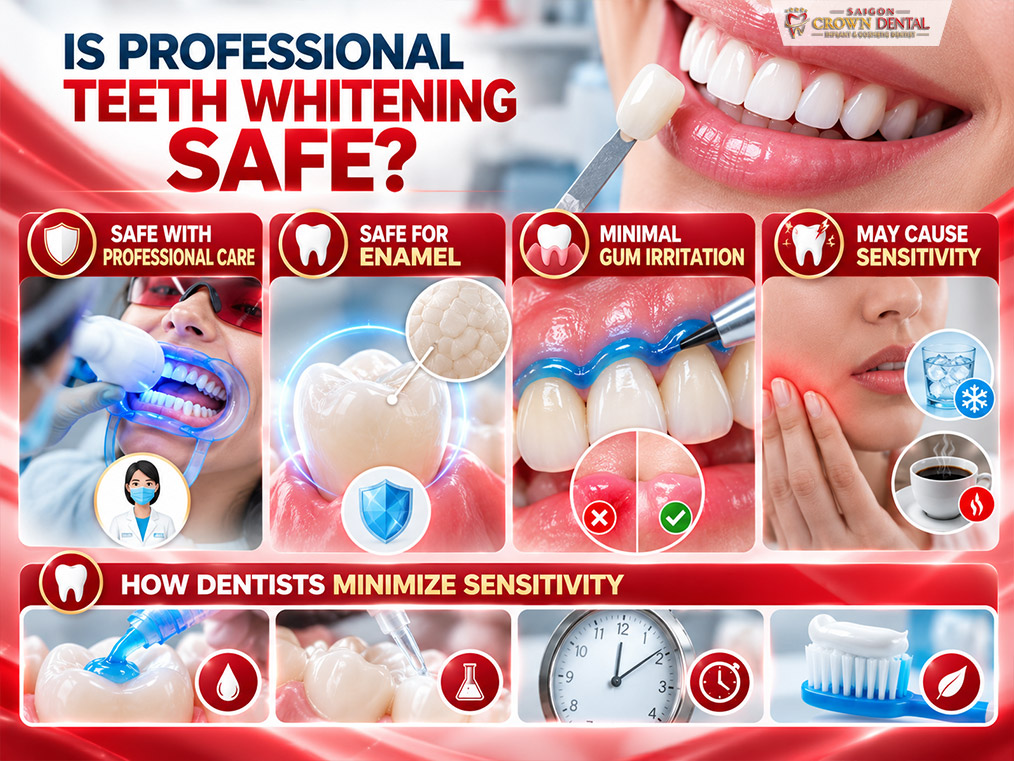
Teeth whitening is generally safe when performed by trained professionals. Dentists utilize proven techniques and products to ensure patient safety and optimal results, minimizing risks associated with over-the-counter remedies or unregulated home kits.
-
Is Teeth Whitening Safe for Enamel?
When conducted professionally, bleaching agents are formulated to be safe for healthy enamel. Dentists carefully control the concentration and duration of application to avoid overexposure that can weaken enamel.
Patients with healthy teeth are unlikely to experience damage, provided the procedure is performed by qualified practitioners. It’s vital to avoid unverified products and untrained providers offering dental care teeth whitening.
-
What About Gum Irritation?
Gum irritation may occur if bleaching agents come into contact with soft tissues. Dentists take precautions like applying protective barriers to prevent this issue. Mild irritation usually subsides within a few hours to days.
Patients should inform their dentist if they experience discomfort during or after treatments for appropriate management. Proper technique and skilled application are crucial to minimizing soft tissue reactions.
-
Does Teeth Whitening Cause Sensitivity?
Sensitivity is a common concern post-whitening, especially for patients with thin enamel or pre-existing sensitivity. Dentists often employ desensitizing agents to reduce discomfort, and they adjust the whitening protocol based on individual tolerance.
Most sensitivity is temporary, lasting only a few days, and signals that the teeth need a break before completing further treatments. Patients are advised to use milder toothpaste and avoid hot or cold foods during recovery.
-
How Dentists Minimize Sensitivity
Professional teeth whitening technicians use desensitizing gels, lower concentration agents, or shorter treatment durations to make the process comfortable. Additionally, they can recommend at-home products to help manage any lingering sensitivity post-treatment for prolonged comfort and effectiveness.
Teeth Whitening Results: What to Expect
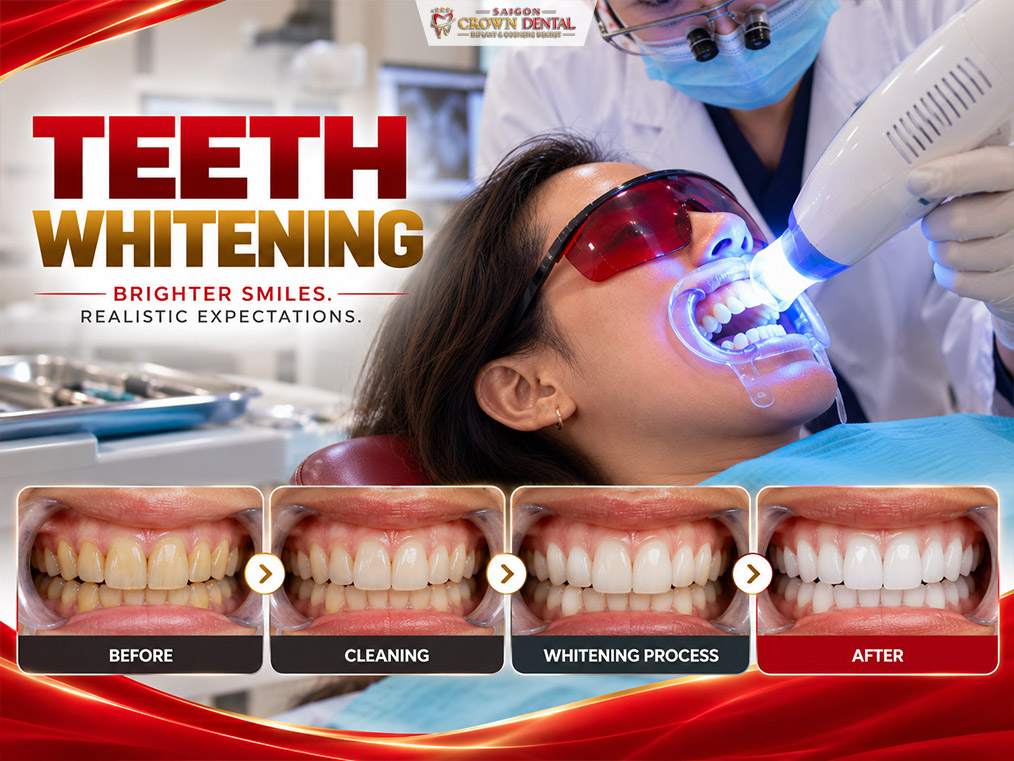
Knowing what results are achievable helps set realistic goals and prepare for the process. Teeth whitening can significantly enhance your smile, but individual outcomes vary depending on factors like initial tooth color and type of stain.
-
How Long Does Professional Teeth Whitening Take?
In-office treatments generally last around 1 to 2 hours, providing immediate whitening results. Take-home whitening trays require daily use over 1-2 weeks, with gradual improvement. Combination treatments may take slightly longer but yield superior results.
-
How Many Shades Can Teeth Become Whiter?
Typically, professional whitening can lighten teeth by 3-8 shades, with some patients experiencing even more dramatic improvements. The exact change depends on the original stain severity and whether the discoloration is extrinsic or intrinsic.
-
How Long Do Whitening Results Last?
The longevity of teeth brightening hinges on lifestyle habits, oral hygiene, and dietary choices. Results can last from several months to a few years, especially if complemented by regular dental checkups and avoiding stain-causing foods.
-
Why Results Differ Between Patients
Genetics, age, oral health, and habits influence whitening outcomes. For example, heavy coffee or tobacco users may notice quicker fading, underscoring the importance of dental care teeth whitening maintenance.
What to Eat After Teeth Whitening
Maintaining the brightness of your smile requires attention to dietary choices during the post-treatment period.
-
What Can You Eat After Teeth Whitening?
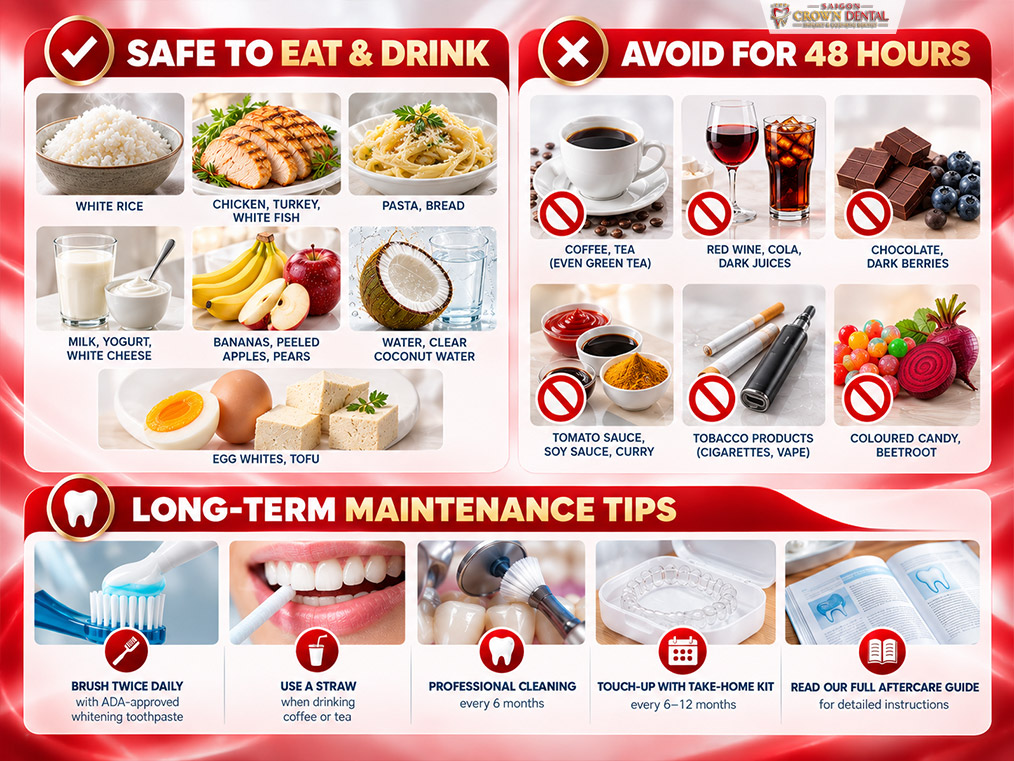
Initially, stick to soft, non-staining foods like yogurt, eggs, or cooked vegetables. Drinks like water and milk are safe, helping to rinse away residual bleaching agents and protect enamel.
-
Foods and Drinks to Avoid
To prolong your teeth whitening results, avoid staining substances such as coffee, tea, red wine, berries, and colored sauces. Acidic foods like citrus and soda can erode enamel and increase sensitivity.
-
How Long Should You Follow a White Diet?
Most dentists recommend following a “white diet” for at least 48-72 hours post-treatment to prevent staining and maximize results. Continued moderation is essential for maintaining a bright smile.
Professional Teeth Whitening Cost in Ho Chi Minh City
The cost of teeth whitening varies globally, influenced by the clinic’s location, reputation, and technology used. In Vietnam, the affordability of cosmetic dentistry provides access to high-quality dental whitening treatment within reasonable budgets.
-
How Much Does Teeth Whitening Cost in Vietnam?
Prices typically range from $150 to $400 in major cities like Ho Chi Minh, depending on the procedure type and clinic. Some clinics include follow-up visits or additional treatments, adding to the overall value.
-
What Is Included in the Price?
Standard packages often cover the initial consultation, shade assessment, the whitening procedure itself, and post-treatment care instructions. Some clinics also offer dental bleaching in office or take-home whitening trays as bundled options.
Professional Whitening Cost: Vietnam vs. Other Countries
Compared to Western countries, Vietnam offers significantly lower prices for similar quality services, making it an attractive destination for dental care teeth whitening. International clients often combine teeth whitening with other cosmetic treatments during their visit for cost-effective results.
Factors That Affect Teeth Whitening Cost
Factors include the type of whitening (in-office vs. take-home), the severity of stains, and the reputation of the clinic. High-end clinics offering advanced dental bleaching techniques or using the latest technology tend to charge more but often deliver superior and more durable results.
Teeth Whitening Price List in Saigon Crown Dental
At Saigon Crown Dental, we provide transparent pricing with no hidden fees. Below is our reference price list for professional teeth whitening and maintenance options.
Teeth Whitening Price List
| TREATMENT | PRICE IN USD | NOTE |
| In-office teeth whitening | $200 | per visit |
| Take-home whitening trays | $40 | per tray |
| At-home whitening gel | $32 | per tube |
Teeth Whitening vs. Veneers: Which Is Better?
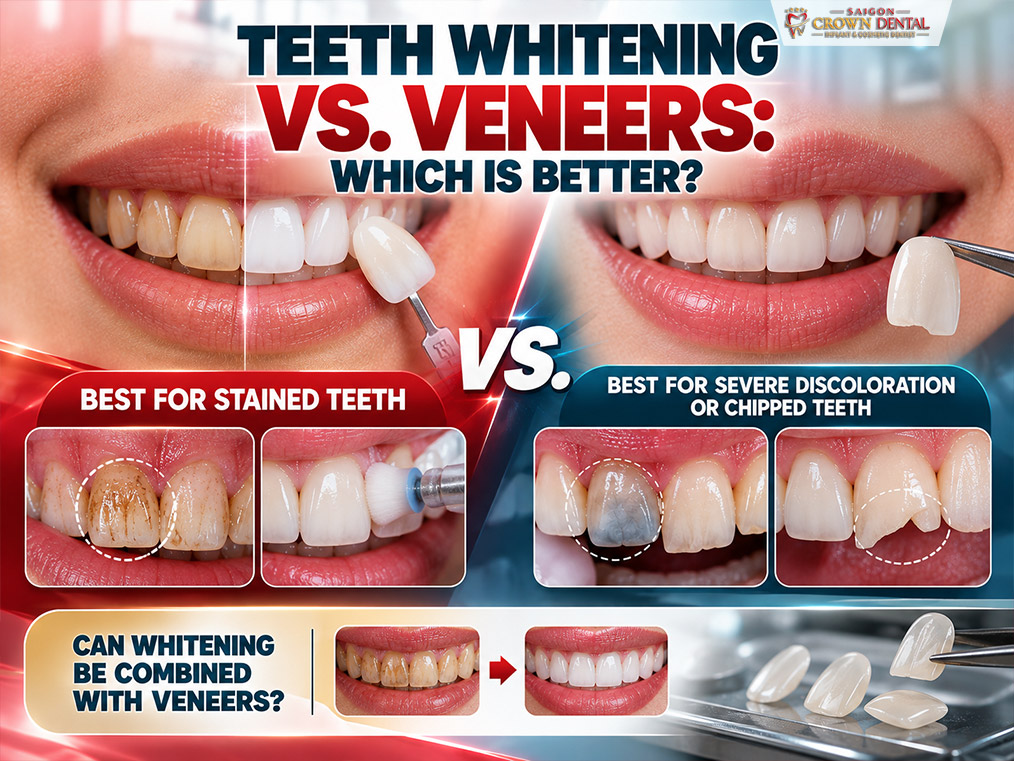
Choosing between teeth whitening and veneers depends on your specific dental situation. Whitening is less invasive and reverses stains, while veneers provide an entirely new surface for severely discolored or chipped teeth.
-
When Whitening Is the Better Option
If your teeth are naturally healthy but stained or discolored, teeth whitening is a quick, cost-effective, and conservative solution. It preserves natural tooth structure and can be performed relatively easily.
-
When Veneers May Be More Suitable
Veneers are advisable when teeth have intrinsic discolorations that do not respond well to bleaching, or if structural damage, chips, or misalignment also need correction. They provide a long-lasting, aesthetic solution but require minor tooth alteration.
-
Can Whitening Be Combined With Veneers?
Yes, some patients undergo teeth whitening prior to veneer placement to ensure a harmonious, bright smile. This combined approach maximizes aesthetic outcomes and can boost confidence.
Why Choose Saigon Crown Dental for Teeth Whitening?
-
Direct English Consultation:
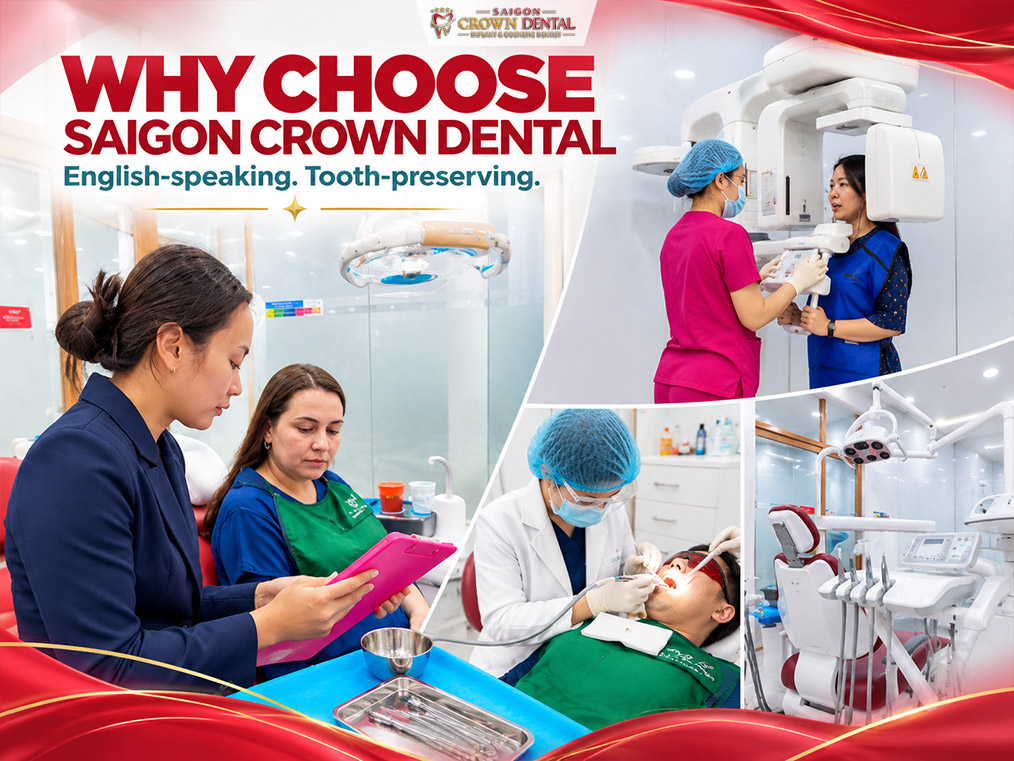
International patients trust our restorative team for fluent English communication, ensuring direct, transparent discussions without any language barrier.
-
Private & Closed Treatment Suites:
Every treatment room is independently designed to provide absolute privacy, a relaxing atmosphere, and a distraction-free environment for focused dental care.
-
Advanced Technology & Safety Standards:
We utilize high-resolution digital tools and strict international sterilization protocols to deliver safe, predictable, and premium cosmetic results.

-
Tailored Patient Support:
Same-day appointments are readily available for international travelers, supported by flexible scheduling and complete English dental records for your local dentist back home.
Frequently Asked Questions
-
How long does professional teeth whitening take?
In-office dental bleaching procedures typically last between 60 to 90 minutes, offering immediate results. Take-home whitening trays require consistent use over 1-2 weeks before seeing full results.
-
Is professional teeth whitening painful?
While some patients experience mild sensitivity or discomfort, most find the procedure tolerable. Dentists employ desensitizing agents and techniques to ensure minimal discomfort during and after treatment.
-
Does teeth whitening cause sensitivity?
Sensitivity is quite common but temporary. Dentists can mitigate this through pre-treatment desensitizers and tailored protocols. Patients are encouraged to follow post-treatment care instructions to reduce discomfort.
-
How long do whitening results last?
Results can last from 6 months to 2 years, depending on lifestyle, diet, and oral hygiene routines. Proper maintenance, including avoiding staining foods and regular dental visits, prolongs the effect.
-
Can yellow teeth become white again?
Yes, professional teeth brightening can restore whiteness, even in heavily stained teeth. Repeating treatments periodically helps maintain desired brightness.
-
Can I whiten teeth with crowns or veneers?
Whitening does not affect crowns, veneers, or fillings. For a consistent aesthetic, these restorations may need replacement after whitening. Discuss with your dentist about the best timing and options.
-
Can I eat normally after teeth whitening?
Following treatments, you’ll be advised to avoid stain-causing foods for at least 48 hours. Afterward, normal eating resumes, but moderation helps preserve your bright smile.
-
Is professional whitening better than whitening strips?
Professional teeth whitening offers more predictable, faster, and safer results with personalized care. Over-the-counter strips are less effective and carry higher risks of uneven whitening or sensitivity.
- How much does teeth whitening cost in Ho Chi Minh City?
Prices vary but generally range from $150 to $400 depending on the clinic and method chosen. It’s advisable to consult local clinics for precise quotes, some of which may include dental care teeth whitening or comprehensive packages.
-
Can I get teeth whitening during a short trip to Vietnam?
Absolutely! Many cosmetic dental clinics in Ho Chi Minh City offer quick and effective whitening procedures suitable for short-term visitors, making it possible to enjoy a bright smile before you leave.
Conclusion
In summary, teeth whitening remains one of the most effective ways to enhance your smile and boost confidence. Ho Chi Minh City boasts a range of reputable clinics that offer professional teeth whitening treatment, including in-office dental bleaching, take-home whitening trays, and innovative combination approaches. These options are tailored to individual needs, ensuring safe and reliable results. Understanding the causes of discoloration, treatment procedures, safety considerations, and costs ensures you make informed choices aligned with your aesthetic goals. Whether you seek near me teeth whitening options or dental bleaching near me, exploring local cosmetic dental clinics can help you achieve a whiter, brighter smile that lasts. Remember, maintaining good oral hygiene and dietary habits post-treatment plays a crucial role in prolonging your teeth brightening results, making professional care a worthwhile investment in your overall dental health and appearance.