
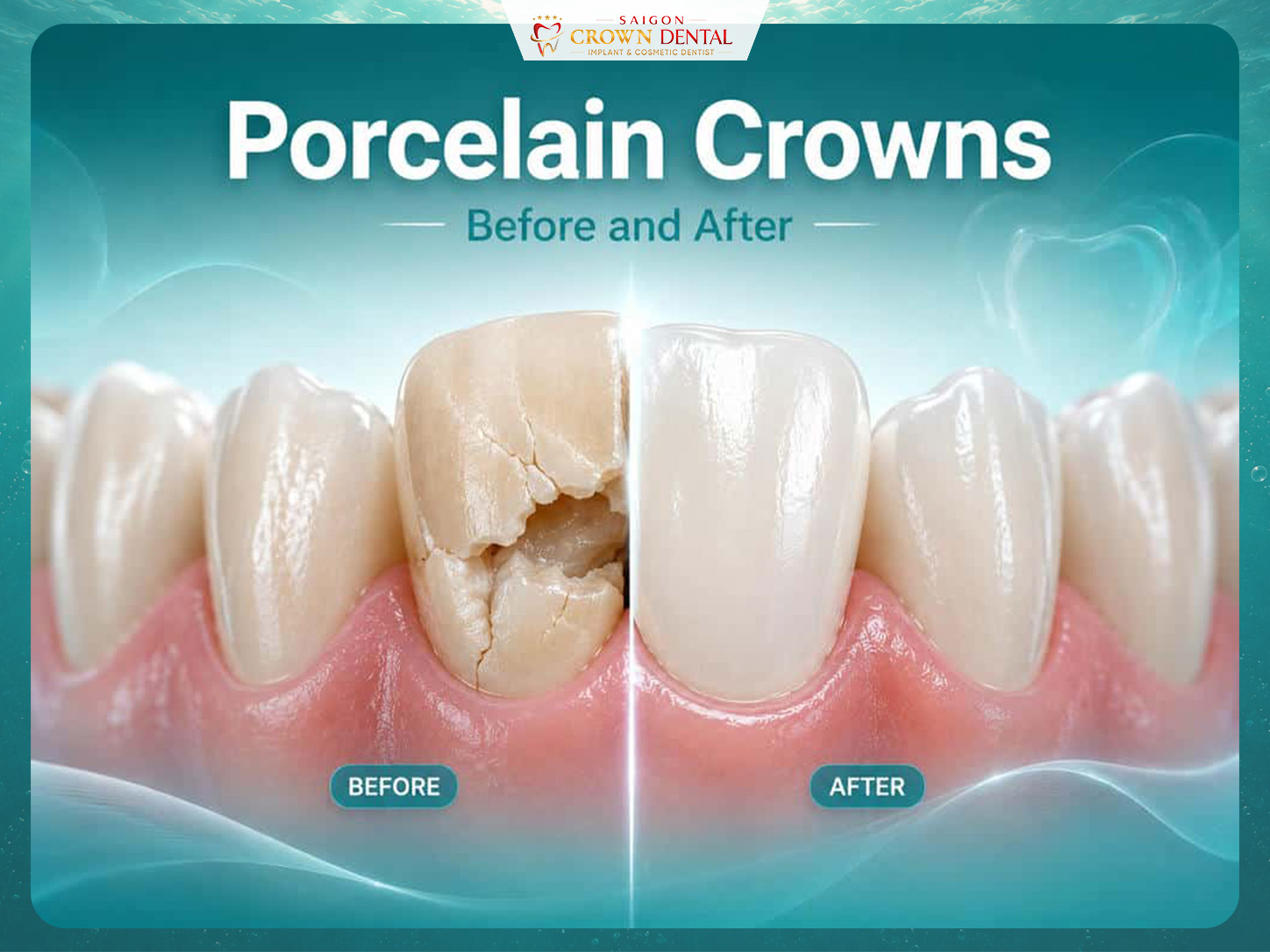
A cracked tooth, one gone grey after a root canal, or a tooth patched with fillings over so many years it barely matches the rest of the smile – none of these fix themselves with time. What actually helps is seeing real proof that a similar case improved, which is exactly why porcelain crowns before and after photos matter so much before deciding to go ahead. This article covers what genuinely changes during that process, how long a well-made crown tends to last, and whether teeth with major fractures or a completed root canal can still be crowned.
What the Before-and-After Actually Shows
A genuine comparison photo is a straightforward visual record: the tooth as it looked while damaged, and the same tooth after a crown has covered its entire visible surface. Unlike a filling, which only patches one small section, a crown replaces almost the whole outer shell of the tooth, which is exactly why the change tends to look complete rather than partial.
The “before” side is almost never as clean as people expect – heavy yellowing, a large chipped corner, or a surface patched with old fillings until the color looks uneven. That’s simply the typical starting point, not a discouraging sign.
The “after” result isn’t always a flawless, bright-white smile straight out of a toothpaste ad either. What matters isn’t maximum whiteness – it’s how well the crown blends with the teeth beside it, with color matched carefully and an edge that follows the gum’s natural curve instead of looking glued on. A crown noticeably whiter than every other tooth usually signals rushed shade-matching, not success. A trustworthy comparison set doesn’t rely on one flattering angle either – it typically includes:
- A straight-on photo showing color match against neighboring teeth
- A side-profile shot showing how the edge follows the gumline
- A natural-smile photo, not just a static close-up
- At least one image taken in daylight rather than only under clinic lighting
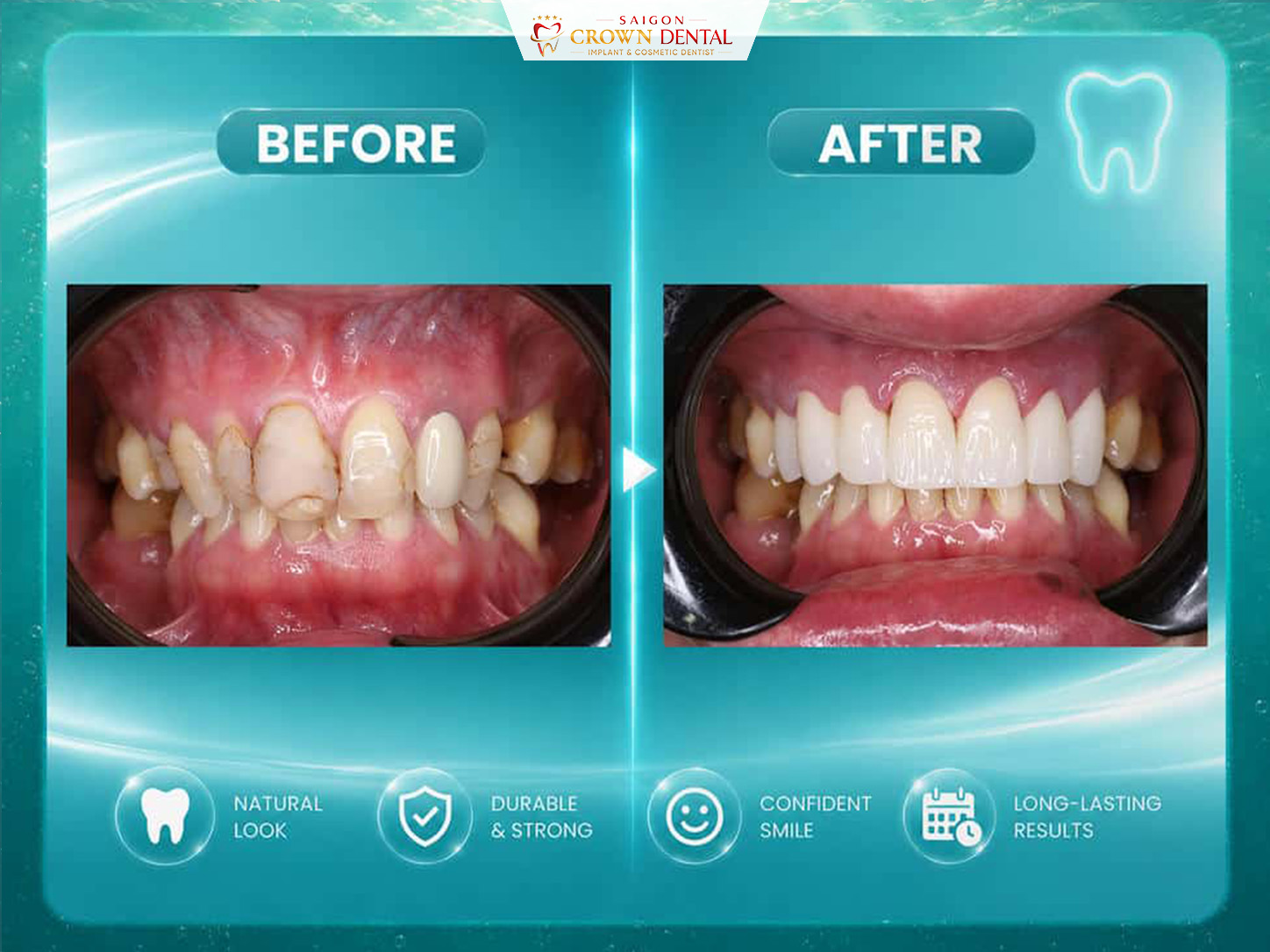
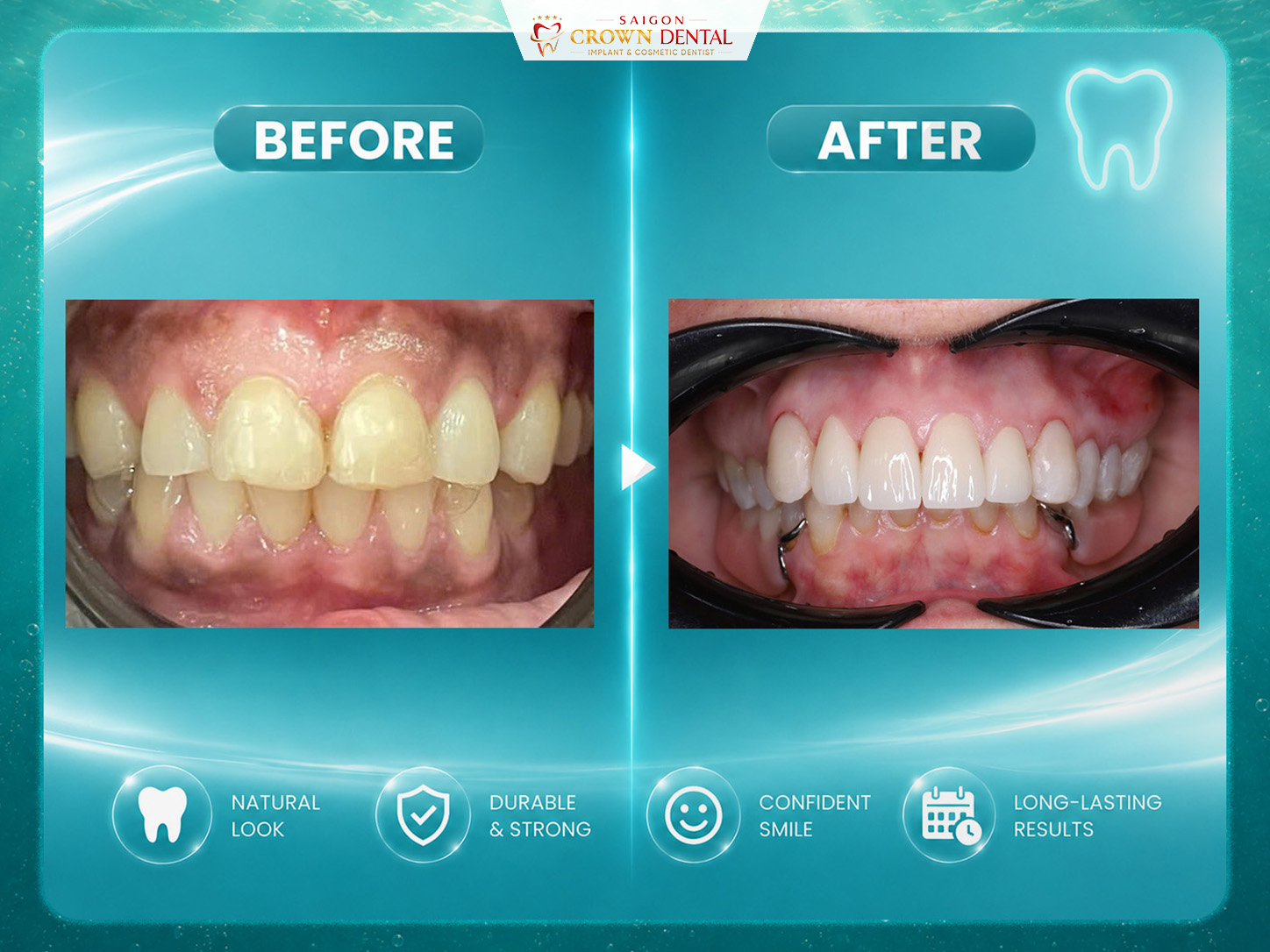


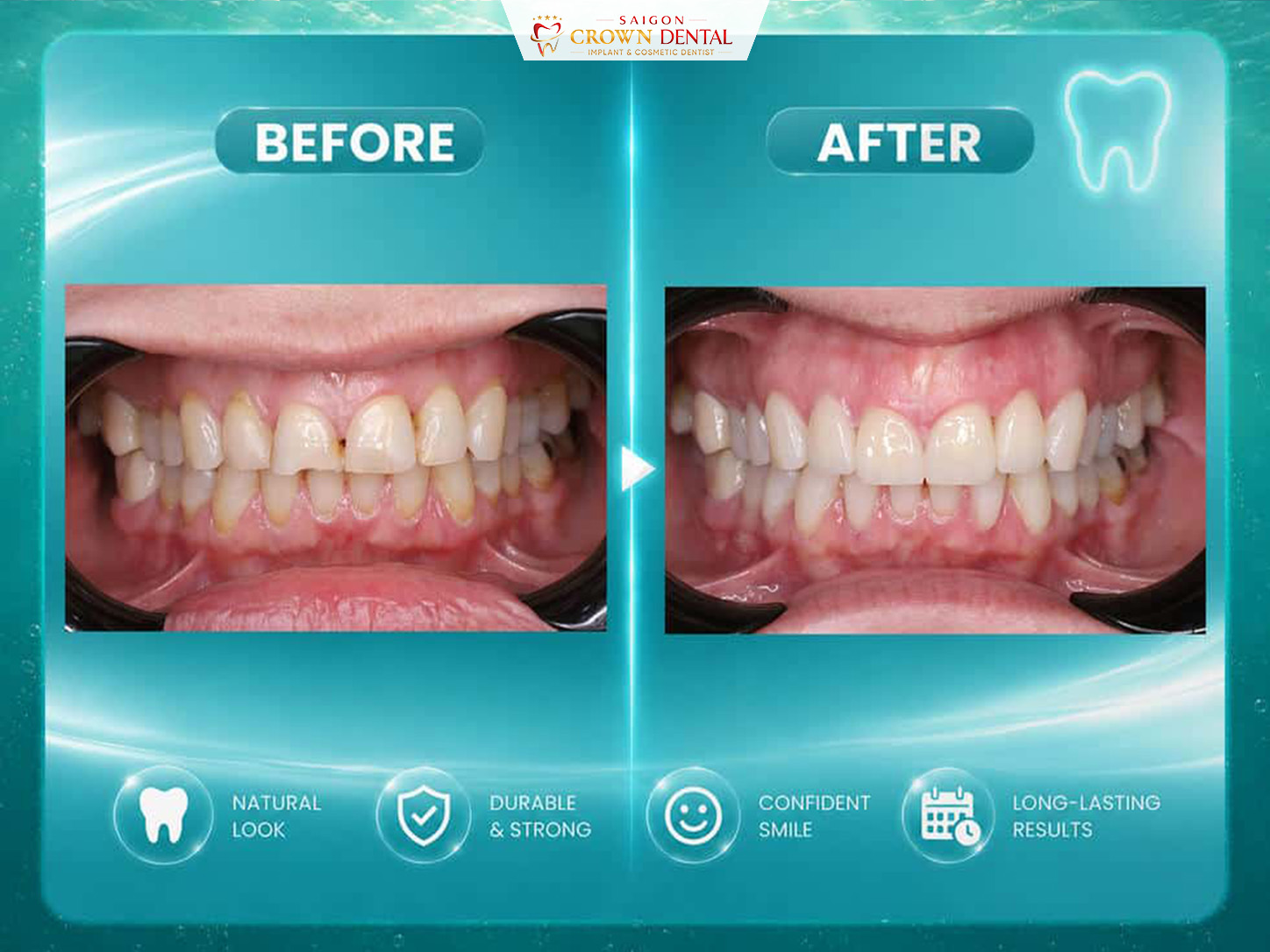
With modern all-ceramic or zirconia materials, a carefully shade-matched crown made by a skilled lab is close to invisible at normal conversational distance. The gap only shows up when the process gets rushed – most noticeably in direct sunlight, where poor color-matching becomes easier to spot than under indoor lighting.
How Long Do Porcelain Crowns Really Last?
Getting a crown isn’t only about appearance – it’s also about durability, long-term cost, and how much time gets spent back in the chair. With proper care and regular checkups, a well-made crown typically lasts ten to fifteen years, and plenty last considerably longer. That’s not a marketing claim; it reflects the fact that a crown is engineered to absorb daily chewing force for years at a stretch.
Durability doesn’t come from the material alone – it depends heavily on whether the bite was adjusted with real precision. A crown sitting even slightly off from the natural bite carries uneven pressure, making it far more likely to crack or loosen before its expected lifespan. An older crown that loosened after only three years, simply because the bite was never checked carefully at placement, is a common enough story – and it’s exactly why the trial-fit appointment before permanent cementation matters more than most people assume.

A few factors tend to determine whether a crown holds up long-term:
- The bite checked carefully with articulating paper before final cementation
- Material matched to the tooth’s role (zirconia for back teeth under heavy load, all-ceramic for front teeth needing a natural look)
- No unmanaged nighttime grinding, or a night guard used if grinding is present
- Consistent oral hygiene, especially along the gumline around the crown
- Six-month checkups to catch any early sign of looseness
Can a Broken or Root-Canaled Tooth Get a Porcelain Crown?
This question worries people more than almost any other, because it’s natural to assume a badly damaged tooth is already past saving. The reassuring answer is that both situations – a broken tooth and one that’s already had a root canal – are among the most common reasons a crown gets recommended, not rare exceptions.
For a tooth that’s both fractured and root-canaled, the first thing a dentist checks is whether the nerve was affected at all. If the fracture only reaches the dentin layer, the tooth can often be crowned directly once it’s reshaped. If the crack goes deep enough to reach the nerve, root canal treatment comes first, and the crown follows afterward to protect what’s left of the tooth.
For a tooth that’s already had a root canal, the answer is almost always yes, and sooner is usually better. A tooth that’s lost its internal blood supply becomes noticeably more brittle, similar to a dead branch still standing but able to split under one unusually hard bite. A crown spreads that force evenly across the tooth instead of letting it concentrate on one already-weakened point – which is exactly why porcelain crowns before and after root canal cases tend to show some of the most dramatic improvement.
Major fractures usually start the same way: a sudden accident rather than a planned decision – an impact during sports, or a tooth quietly weakened by years of decay until it finally gives way. As long as the fracture hasn’t reached the nerve or cost the root itself, a crown is still an option instead of extraction and an implant. Here, the crown does more than restore appearance – it acts like a splint holding the fragments together, stopping the crack from spreading under everyday chewing pressure, which is why dentists often recommend a crown over a filling for a large fracture even though a filling looks cheaper upfront.
Getting Ready for Your Crown Appointment
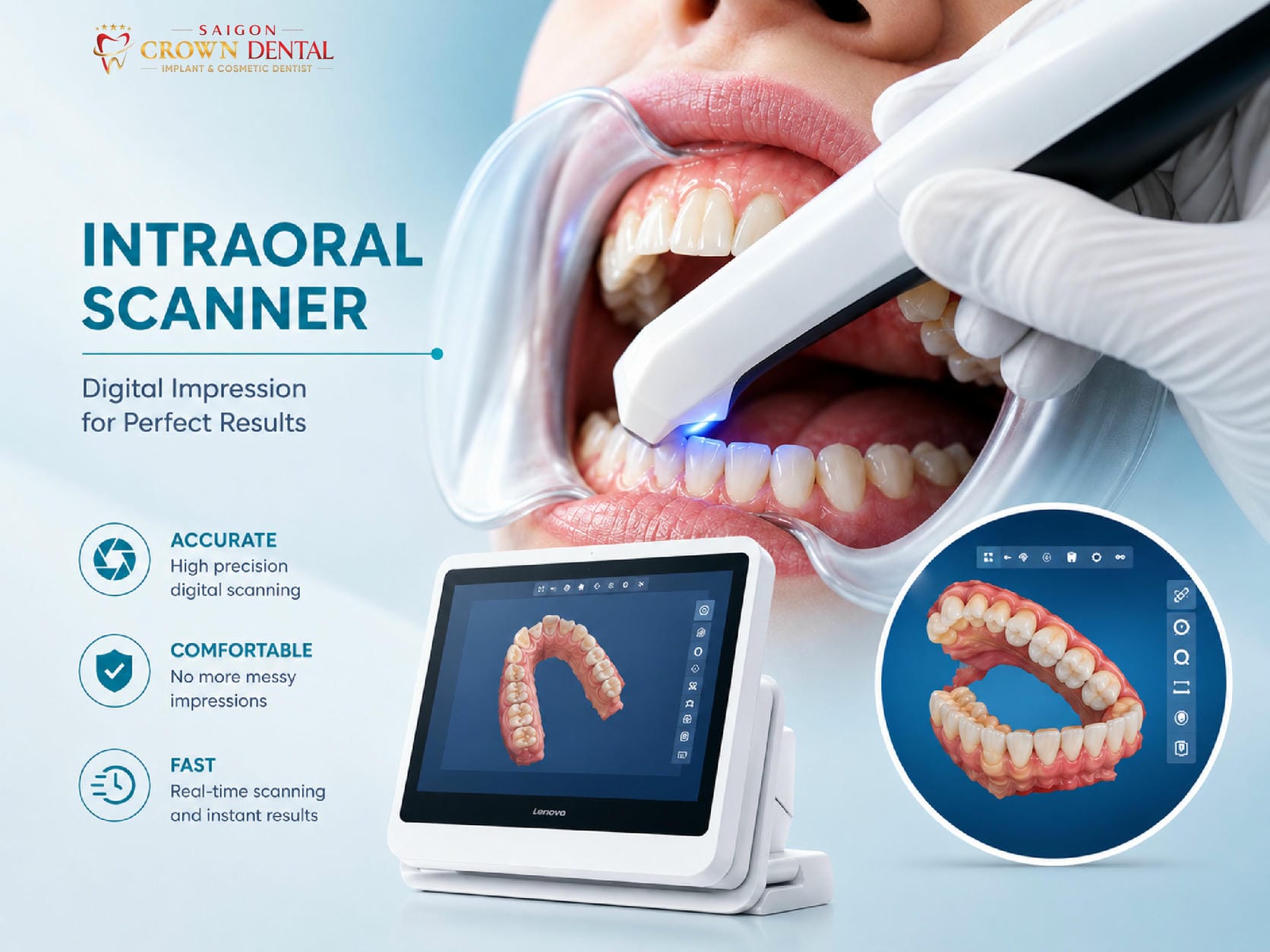
Before any comparison photo exists, there’s a process behind it, usually spread across two to three visits rather than one, so it’s worth preparing a few things before your porcelain crown appointment. The first visit starts with local anesthesia and the dentist shaving down a thin layer of the tooth to make room for the crown – the one step that can’t be undone – followed by an impression taken with a tray or digital scanner and a temporary crown while the permanent one is made in the lab.
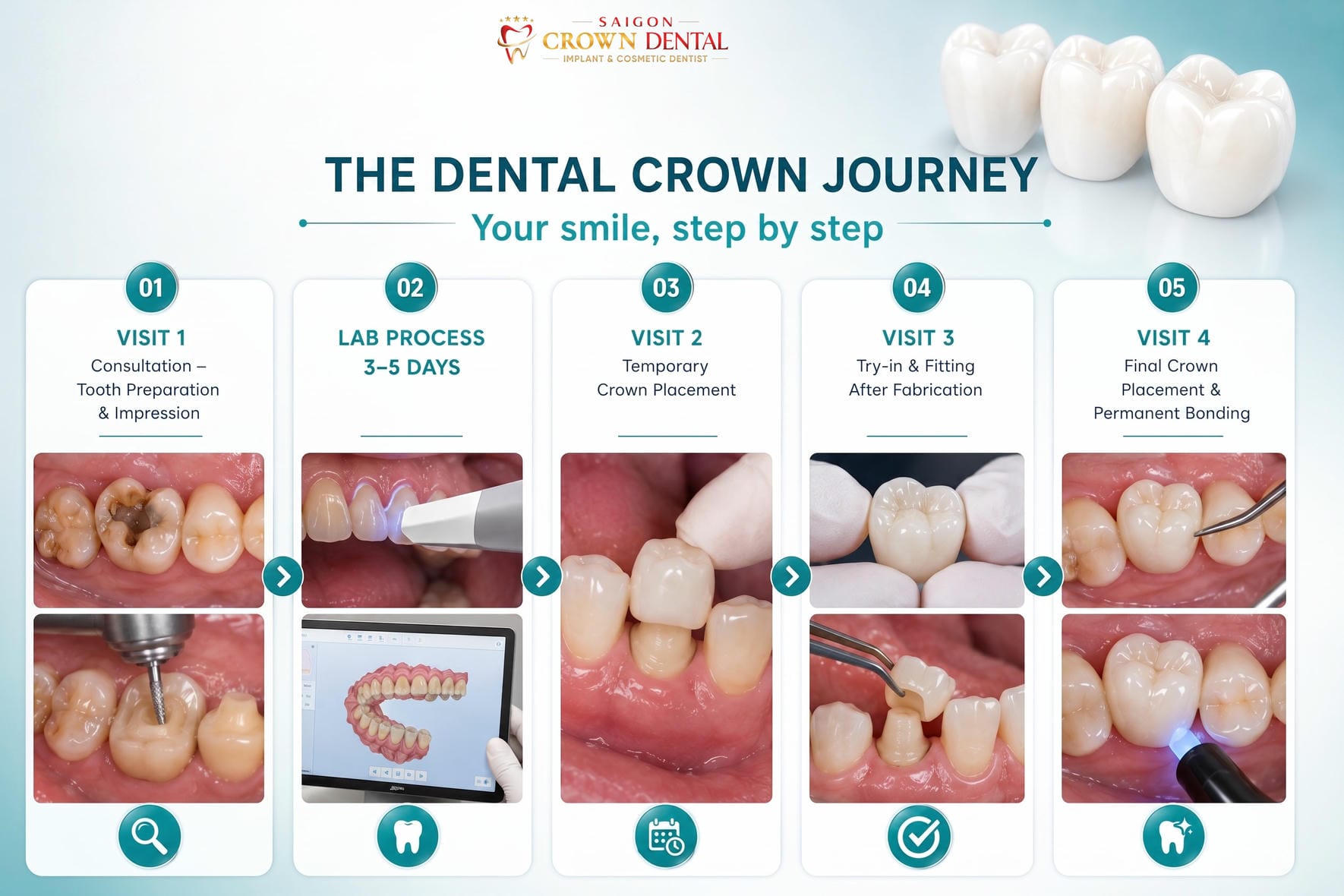
A follow-up visit a few days later is when the permanent crown is tried in for bite, color, and final adjustments, followed by a last visit where it’s permanently cemented and aftercare is explained. It helps to:
- Ask which crown material will be used and why it fits your specific tooth
- Confirm exactly how many visits your case will actually need
- Expect mild sensitivity for a few days after reshaping – that’s completely normal
- Ask about the warranty policy if the crown loosens or cracks later
- Bring a photo of the original tooth if you want the shape restored closely
Frequently Asked Questions
-
After a root canal, do I need a crown, or is a filling enough?
- A root-canaled tooth loses its internal nutrient supply, leaving the remaining structure drier and more brittle over time.
- A filling closes the gap temporarily but can’t handle the compression force of regular chewing, risking cracks, a fracture below the gumline, or deeper bacterial damage.
- A crown works like a protective shell, spreading chewing force evenly and keeping the tooth intact.
-
Will people be able to tell I have a crown?
- If it’s made with real precision, almost never. Modern all-ceramic materials replicate the translucency and texture of natural enamel closely
- Dentist who shade-matches carefully under standard lighting keeps the result consistent with the surrounding teeth – unnoticed in everyday conversation or photos.
-
Is pain after getting a crown normal?
- Mild soreness or moderate sensitivity to temperature for a few days afterward is normal.
- Sharp pain when biting, pain that worsens at night, or gum swelling are reasons to go back for a check – usually a small bite adjustment resolves it.
The real truth behind porcelain crowns before and after isn’t found in a polished photo – it’s whether that tooth is still chewing comfortably and staying healthy ten or twenty years later. If you’re considering one, it’s worth writing these questions down and bringing them to your next visit; a dentist who genuinely cares about the outcome will take the time to walk through each one.