
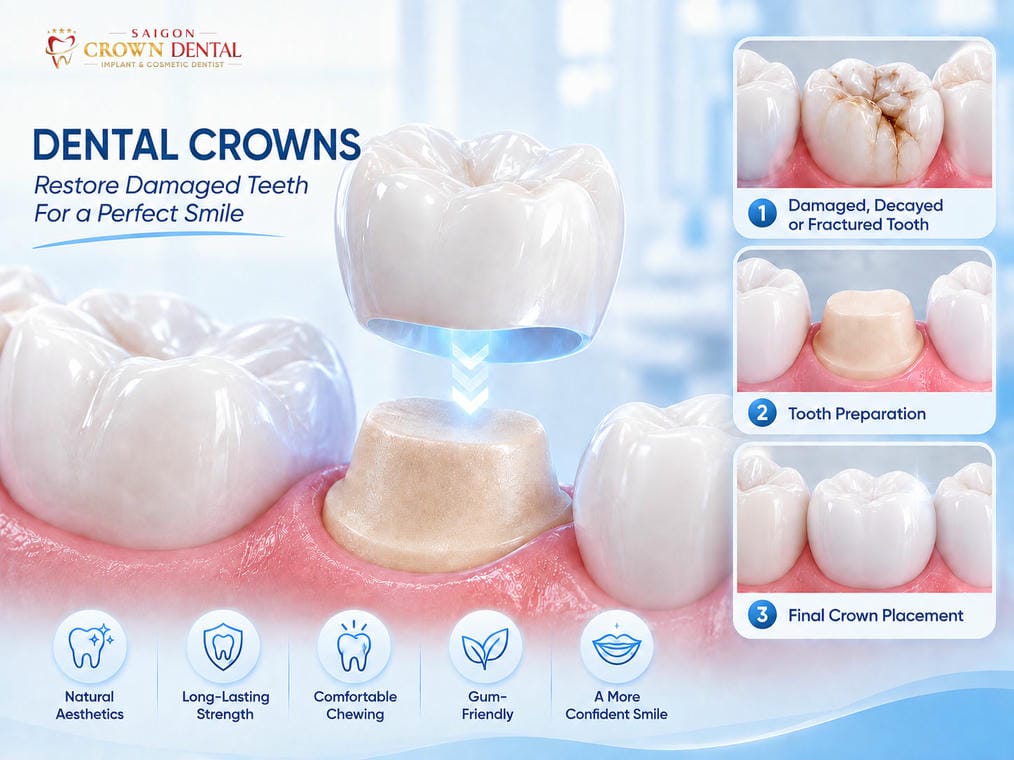
A tooth crown is a restorative solution for teeth that are severely decayed, fractured, worn, discolored, or weakened after root canal treatment. Many patients still wonder whether the treatment is painful, how many appointments are required, and how long it takes to complete. This guide explains the treatment stages, expected timeline, 2026 pricing, and important considerations to help international patients prepare confidently before visiting SAIGON CROWN DENTAL.
What is a tooth crown? when is it needed?
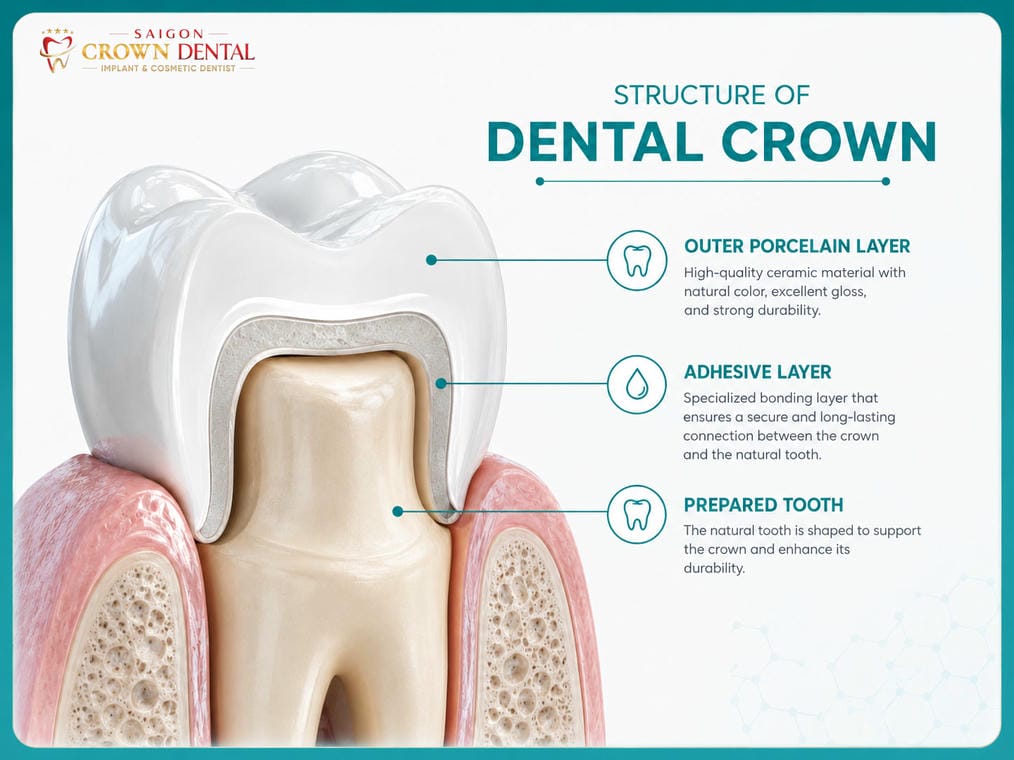
A tooth crown is a fixed dental restoration designed to cover a prepared natural tooth. The crown surrounds the visible portion of a damaged tooth and helps restore its shape, appearance, and chewing function while providing an additional layer of protection.
Each crown is customized according to the patient’s dental arch, tooth shape, bite, and desired shade. Modern digital dentistry allows dentists to use intraoral scanning and CAD/CAM technology to obtain highly detailed digital impressions and create restorations with accurate adaptation.
A crown may be recommended when a substantial amount of natural tooth structure has been lost and a conventional filling can no longer provide adequate restoration. Common situations include severe tooth decay, teeth that have undergone root canal treatment, significant fractures, trauma, or extensive enamel wear.
Common Causes of Tooth Damage
Healthy natural teeth can gradually become weakened by dental disease, trauma, and everyday habits. Three common conditions that may lead a dentist to consider crown restoration include:
- Severe tooth decay: Extensive decay can destroy significant amounts of enamel and dentin, leaving insufficient tooth structure for a conventional filling.
- Root canal-treated teeth: Teeth that have undergone root canal treatment may become more brittle and vulnerable to cracking or fracture under strong chewing forces.
- Trauma or long-term enamel wear: Dental injuries and prolonged grinding can contribute to structural wear, altered bite relationships, and persistent sensitivity.
4 warning signs that you may need a tooth crown
Recognizing structural damage at an early stage can help patients seek professional evaluation before the tooth becomes more severely compromised. Mild sensitivity or discomfort may initially appear insignificant, but progressive decay or cracks can eventually affect deeper tooth structures.
When a damaged tooth is left untreated, chewing forces continue to act on the weakened structure every day. Early examination allows the dentist to determine whether the tooth can still be restored and whether crown treatment is clinically appropriate.
The following four conditions should prompt professional dental evaluation:
1. A Large Tooth Fracture or Chip Exposing the Dentin
Food may repeatedly become trapped around the damaged area, making proper cleaning difficult. You may also notice a sharp edge when your tongue touches the tooth or experience sensitivity when drinking cold beverages.
2. A Decayed Tooth After Root Canal Treatment
A root canal-treated tooth may no longer cause the original toothache, but its visible structure can become grayish and more fragile. Without appropriate restoration, a severely weakened tooth may be susceptible to further fracture.
3. A Large Old Filling That Has Become Loose or Damaged
An old filling can wear, loosen, or develop gaps over time. Patients may experience an uncomfortable sensation when chewing or notice an unpleasant odor around the restored tooth if bacteria enter the surrounding spaces.
4. Severe Discoloration or Enamel Wear That Cannot Be Corrected by Whitening
Significant enamel wear and discoloration may remain even after whitening treatments. Teeth can appear shortened, dull, or severely discolored, potentially affecting confidence during everyday communication.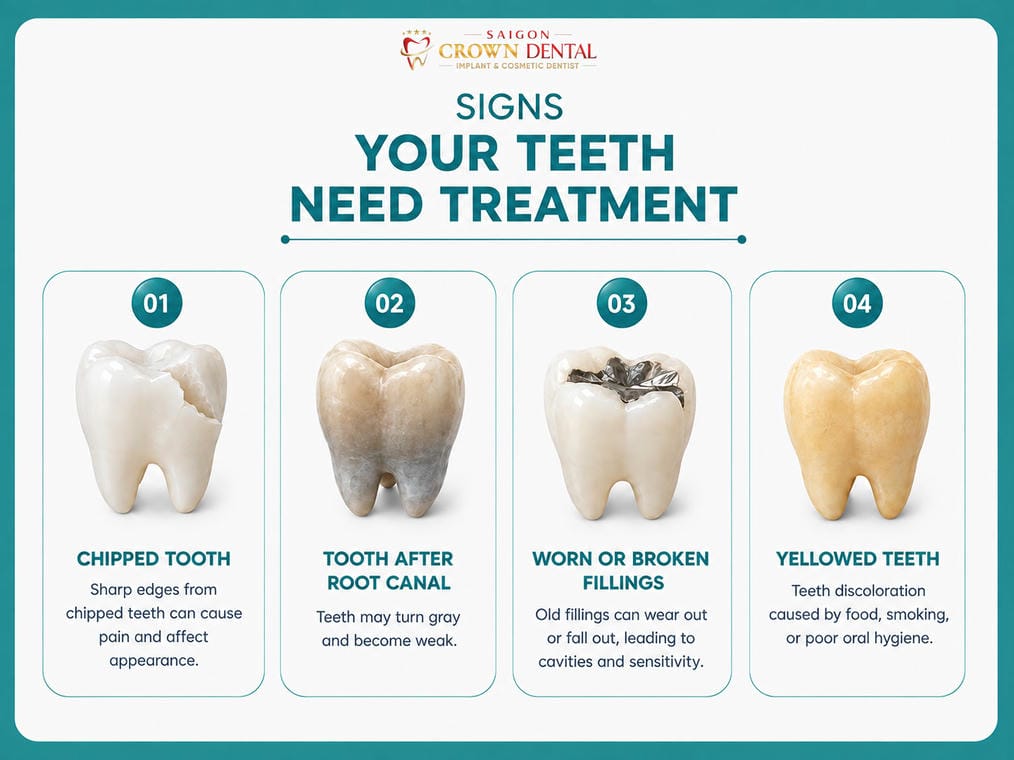
Serious complications of delaying crown restoration
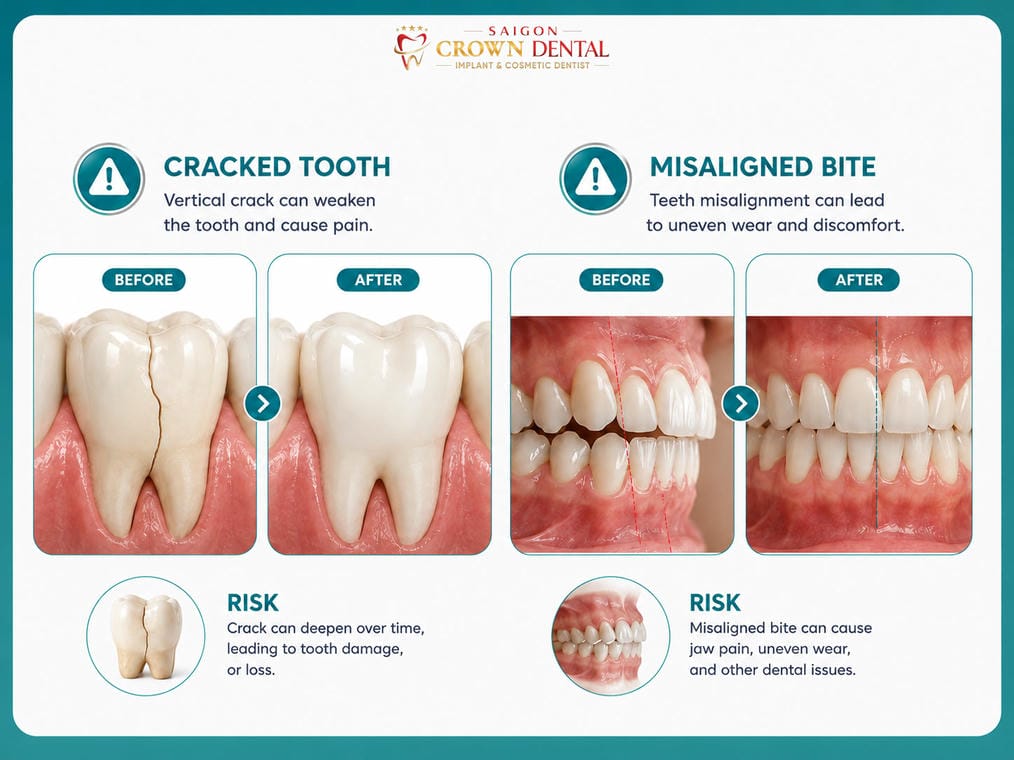
Delaying treatment when a tooth has already been assessed as requiring restoration may allow structural damage to progress. A weakened tooth is continuously exposed to biting and chewing forces, increasing the possibility of further cracking or fracture.
The consequences may extend beyond the affected tooth. As the condition progresses, patients may require more complex treatment to manage additional damage, infection, tooth loss, or changes in the bite. Early professional assessment can therefore help determine the most appropriate restorative option before complications become more difficult to manage.
Three serious complications described in the original treatment plan include:
- Vertical tooth fracture and permanent tooth loss: A crack may extend deeper toward or below the gum line. If the tooth can no longer be restored, extraction and implant treatment may become necessary.
- Recurrent infection and jawbone abscess: Bacteria can enter through damaged tooth structures and contribute to infection, swelling, pain, and loss of supporting bone.
- Changes in the overall bite: A missing or severely compromised tooth may cause neighboring or opposing teeth to move, potentially affecting chewing balance and contributing to jaw muscle or temporomandibular joint discomfort.
Tooth crown procedure step by step: medically standardized process
A predictable restorative result depends on careful planning and precision at every stage. Tooth preparation, digital impressions, laboratory fabrication, crown try-in, and final cementation must be coordinated to achieve an appropriate fit and comfortable bite.
At SAIGON CROWN DENTAL, the treatment workflow is organized into multiple appointments so that each stage can be assessed before proceeding to the next. This approach allows the dental team to check the prepared tooth, temporary restoration, crown fit, shade, and occlusion before final placement.
Treatment Timeline
- Appointment 1: Examination → Tooth preparation → Digital impression
- Laboratory fabrication: Approximately 3–5 days
- Appointment 2: Temporary crown placement
- Appointment 3: Crown try-in and fitting
- Appointment 4: Final crown delivery and permanent cementation
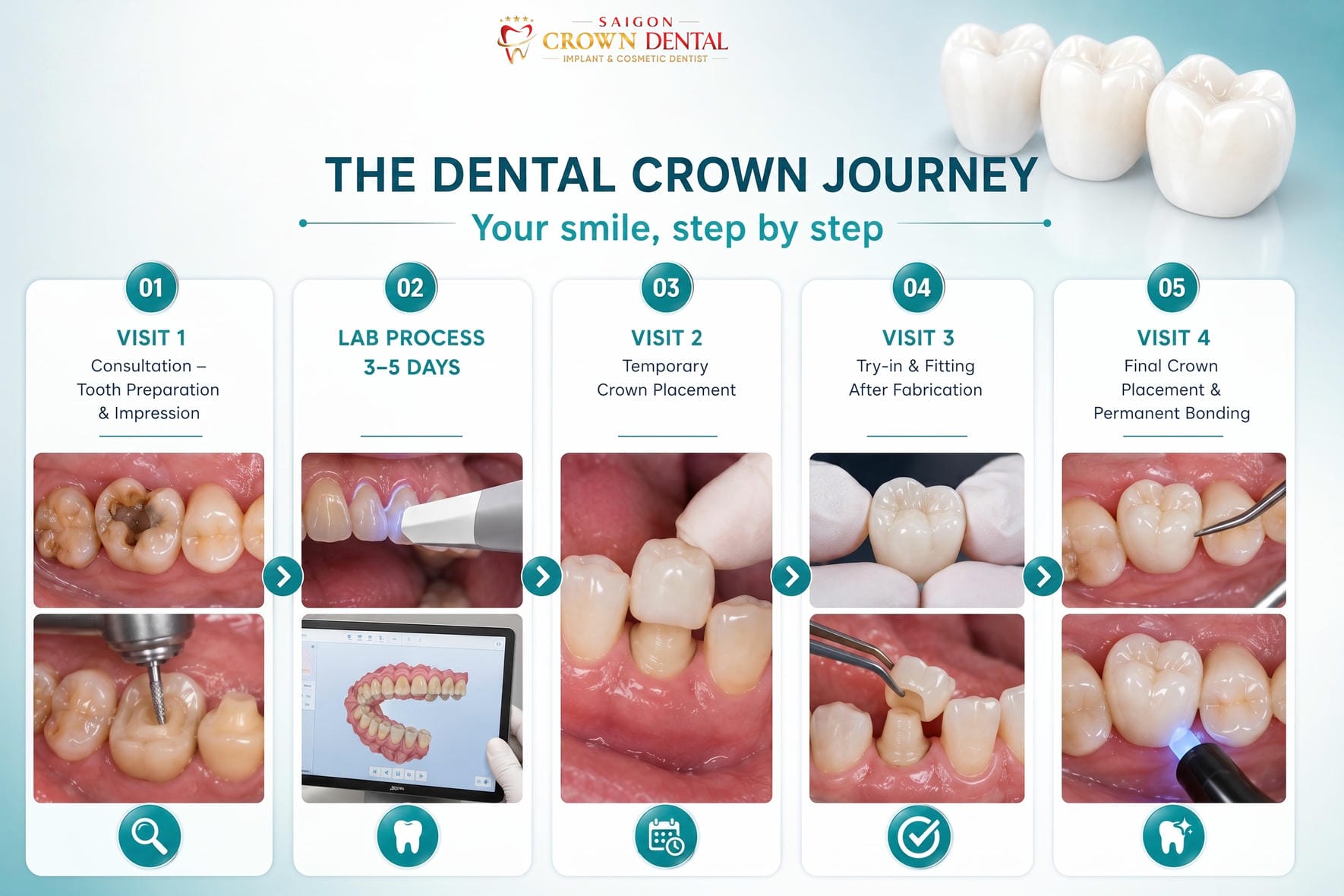
Step 1: Comprehensive Examination, Tooth Preparation & Digital Impression
During the first appointment, the dentist examines the dental arch and uses digital X-rays to assess the tooth, roots, pulp, and surrounding bone. Any underlying inflammatory condition that requires attention should be addressed before restorative treatment begins.
After local anesthesia, the dentist prepares the tooth according to the planned restoration. A thin layer of tooth structure is removed to create adequate space for the crown while aiming to preserve as much healthy natural tooth structure as possible.
An intraoral scanner then captures a digital impression of the dental arch. The digital information can be transferred to the laboratory for CAD/CAM fabrication. The source treatment plan states that the laboratory fabrication stage takes approximately 72 hours.
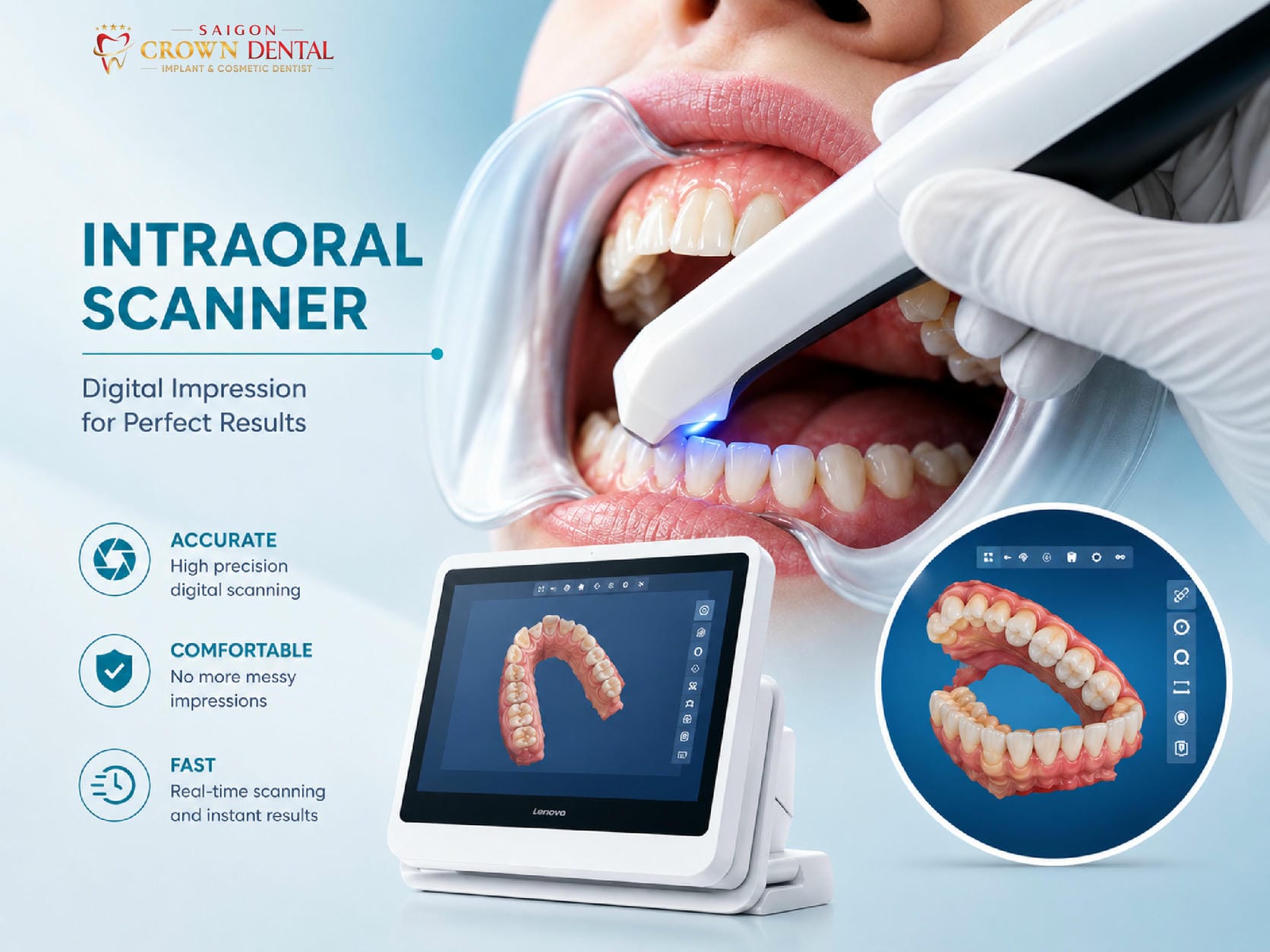
Step 2: Temporary Crown Placement
Once the digital impression has been completed, a temporary crown is placed over the prepared tooth. The temporary restoration helps protect the prepared tooth from hot and cold stimuli during daily activities and eating.
It also maintains the appearance of the smile while the permanent restoration is being fabricated. The temporary crown is made from a dental-grade composite material and remains in place during the waiting period before the final crown is ready.
Step 3: Crown Try-In & Fitting
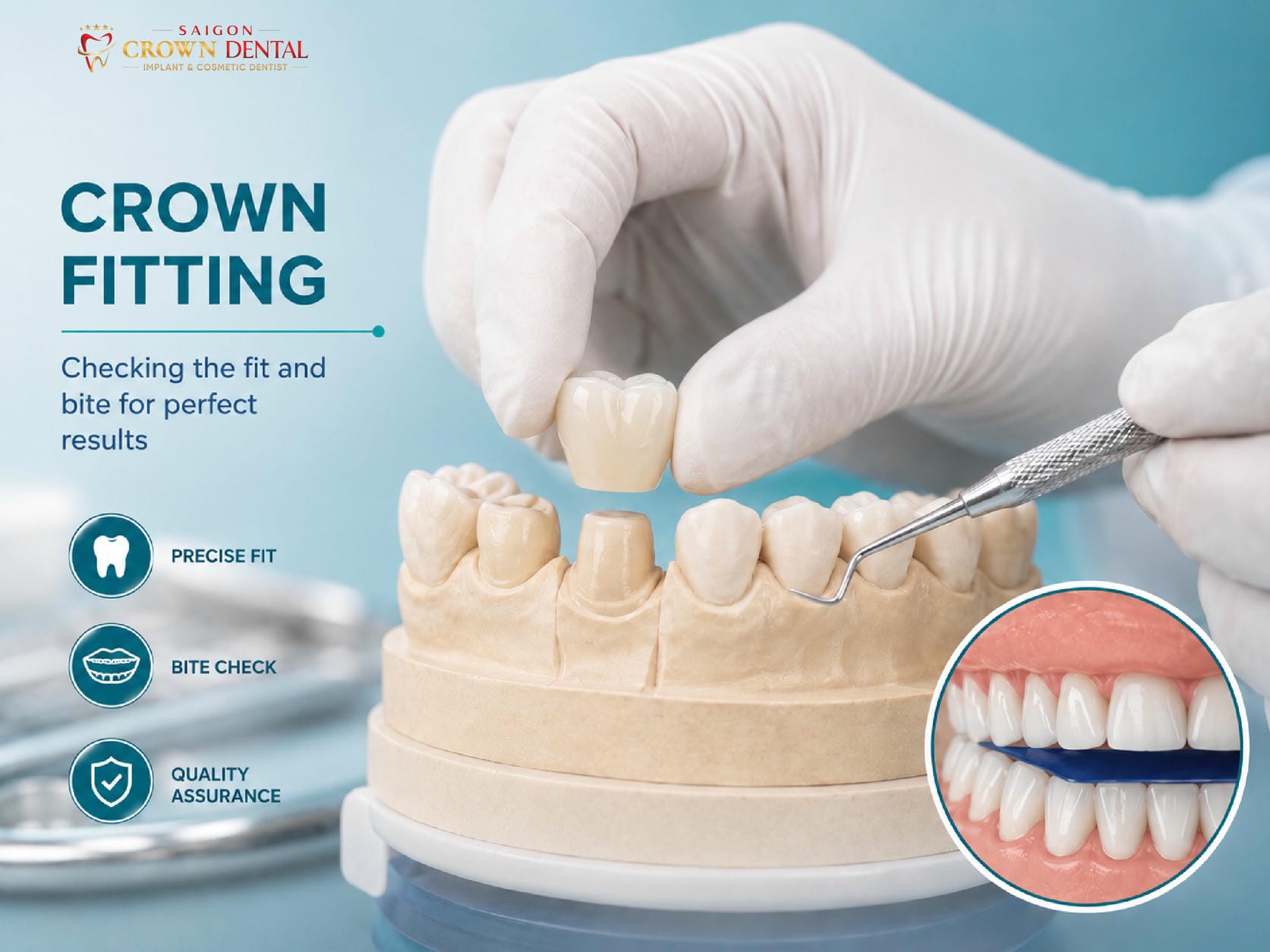
At the next appointment, the temporary crown is removed and the prepared tooth is cleaned. The permanent crown is then placed for a detailed clinical assessment.
The dentist evaluates the marginal fit, shade, contact points, and bite. Adjustments can be made to the occlusal contacts and other areas so the patient can assess the comfort of the restoration before permanent cementation.
Step 4: Final Crown Delivery & Permanent Cementation
Once the crown has been appropriately adjusted and the patient is satisfied with its appearance and chewing comfort, the dentist permanently cements the restoration using specialized dental cement.
A final bite check is performed before the patient receives home-care instructions and warranty documentation. Regular follow-up visits should then be scheduled according to the dentist’s recommendations.
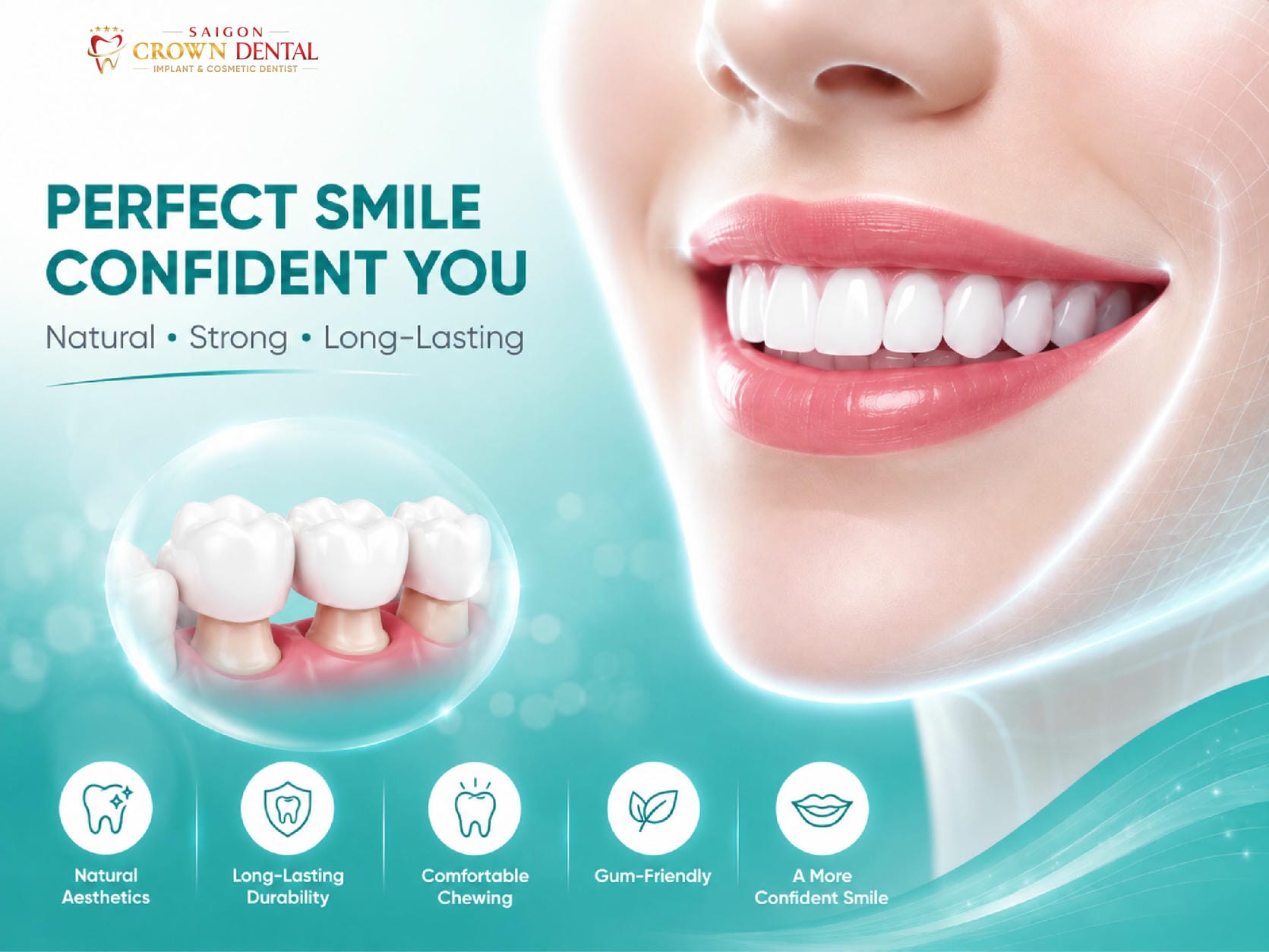
Tooth crown treatment time & updated 2026 price list
Understanding the expected treatment timeline helps international patients arrange appointments, accommodation, transportation, and travel plans more efficiently. Digital scanning and laboratory workflows can also reduce the time associated with traditional physical impression techniques.
According to the treatment information provided by SAIGON CROWN DENTAL, a completed case generally takes approximately 5–7 working days with four main appointments.
The typical schedule is:
- Appointment 1: Examination, X-ray, tooth preparation, and 3D digital scanning — 60–90 minutes
- Appointment 2: Temporary crown placement — approximately 30 minutes
- Appointment 3: Crown try-in and bite assessment — approximately 45 minutes
- Appointment 4: Permanent cementation and warranty handover — 30–45 minutes
The actual timeline may vary depending on the condition of the teeth and whether additional treatment is required before restoration.
2026 Tooth Crown Price List at SAIGON CROWN DENTAL
The tooth crown procedure cost depends primarily on the selected crown material and ceramic system. The following prices are based on the 2026 price information supplied in the original content:
| TREATMENT | PRICE IN USD | NOTE |
| Full Ceramic Zirconia Crown (Korea) | $240 | per tooth |
| Full Ceramic Zirconia Crown (America) | $320 | per tooth |
| Full Ceramic Zirconia Crown (Germany) | $360 | per tooth |
| Full Ceramic Zirconia Crown (Italy) | $400 | per tooth |
Exclusive Benefits & Package Promotions
SAIGON CROWN DENTAL offers a value package worth up to 10,000,000 VND for customers deciding to receive 20 or more crowns.
Additional benefits stated in the original content include:
- Free consultation: Comprehensive examination, professional consultation, and professional dental cleaning.
- Free digital X-ray: Complimentary digital dental imaging for assessment.
- Airport transfer: Complimentary transportation from Tan Son Nhat International Airport.
- Local transportation: Complimentary first taxi trip from the hotel to the clinic within a 10 km radius for confirmed appointments.
- Luxury accommodation: Complimentary 5-night stay for patients receiving full-mouth or out-of-province restorative treatment.
- Group promotion: Additional 5% off the total bill for groups of two or more people.
Frequently asked questions about tooth crowns
1. Does getting a tooth crown hurt or cause sensitivity?
According to the treatment information provided by SAIGON CROWN DENTAL, local anesthesia is used during crown preparation. After the anesthetic wears off, the gum area may feel mildly sensitive during the first 24 hours before gradually improving.
2. Why are several appointments needed instead of placing the crown on the same day?
Multiple appointments allow the dental team to control each stage of treatment, from tooth preparation and temporary protection to crown try-in and bite adjustment. This workflow provides an opportunity to evaluate the restoration before permanent cementation and make necessary adjustments for comfort and fit.
3. How long does a tooth crown procedure take?
The average treatment period is approximately 5–7 working days with four appointments. In relatively simple cases where root canal treatment is not required beforehand, the treatment period may be shortened to approximately 4–5 days, depending on the individual case.
4. How long do full-ceramic crowns last and how should they be maintained?
The original treatment information states that full-ceramic crowns may last approximately 10–20 years or longer. Proper maintenance includes brushing twice a day, using dental floss or a water flosser, and attending regular dental check-ups and professional cleaning approximately every six months.
A properly planned and carefully performed crown restoration can help protect compromised teeth, restore chewing function, and improve the appearance of the smile. Early professional evaluation is important when a tooth shows significant decay, fracture, wear, discoloration, or weakness after root canal treatment.
If you notice signs of structural damage, consulting a qualified dentist can help determine whether crown restoration is appropriate and whether additional treatment is needed before the restoration is placed.