
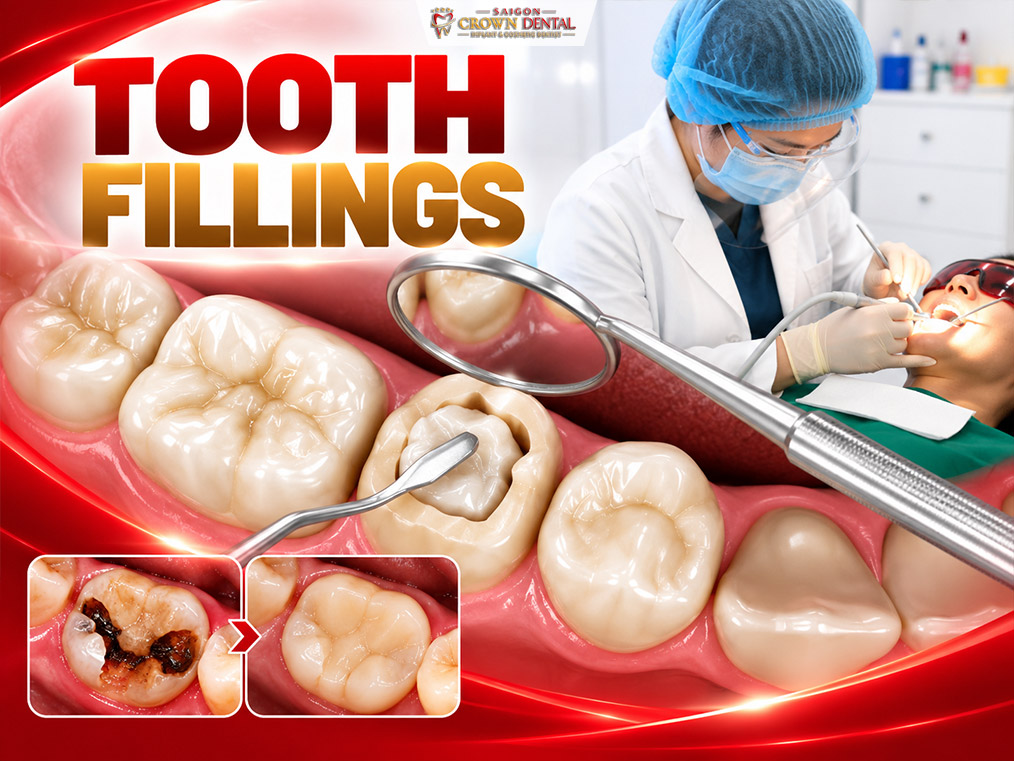
A small cavity rarely feels urgent. However, left alone, it grows. When you need a tooth filling in Ho Chi Minh City, the real question extends beyond mere pricing. Ultimately, you want to know whether your dentist diagnoses correctly, explains procedures clearly in English, and uses materials built to last after you fly home. At Saigon Crown Dental, every filling begins with a proper examination rather than a quick drill-and-fill session
What is a tooth filling?
A tooth filling repairs a tooth following decay, a chip, or a worn-out old filling. Specifically, the dentist removes the damaged portion before rebuilding the cavity with a durable material shaped to match your bite. Because it is a conservative treatment, a filling does not cover the whole tooth like a crown would. Instead, it solely replaces the small area damaged by decay or a fracture. Consequently, this approach matters greatly for tourists and expats who prefer keeping as much natural tooth structure as possible.

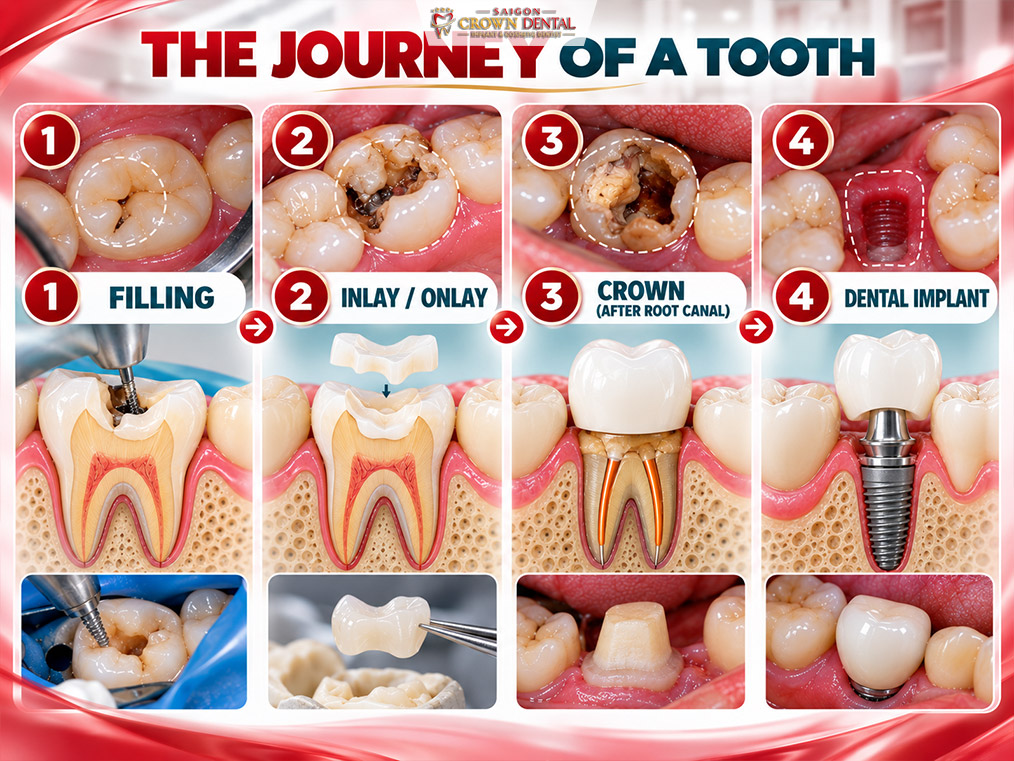
The tooth treatment journey: from filling to implant
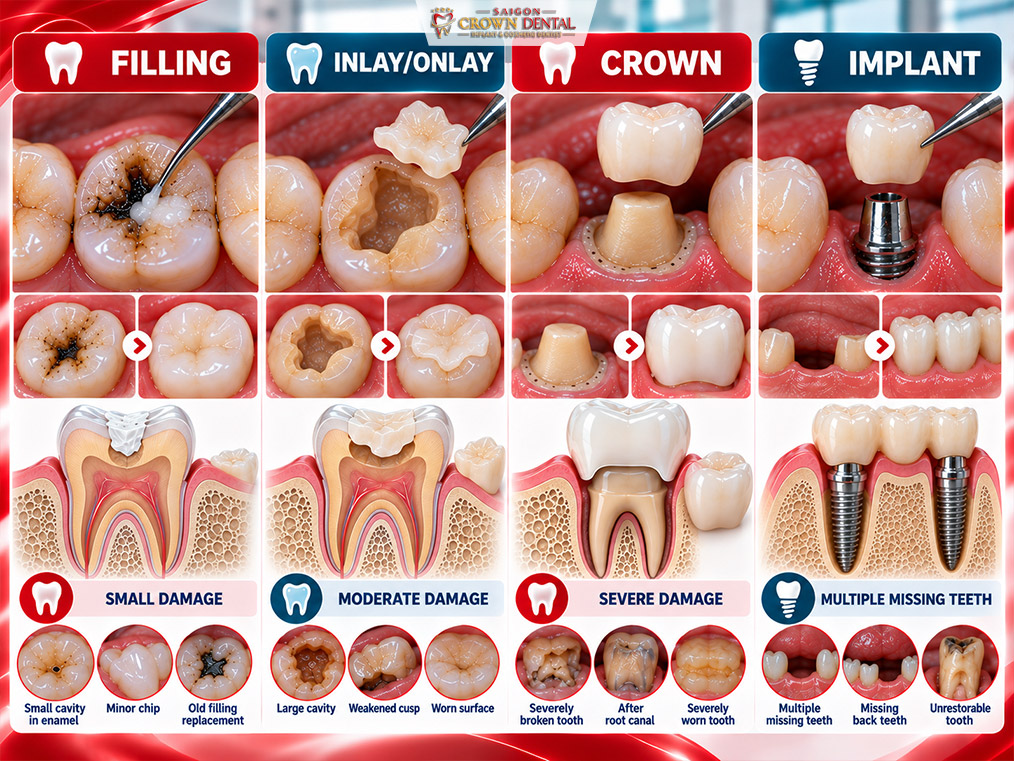
Every tooth follows a similar path once decay or damage begins. The earlier you step in, the simpler and less costly the treatment.
-
Stage 1 – Filling
A small cavity, chip, or old failing filling. The dentist removes only the damaged area and rebuilds it with tooth-colored composite. Most of your natural tooth stays intact, and treatment is usually done in a single visit.
-
Stage 2 – Inlay/Onlay
Decay has grown too large for a standard filling, but the tooth’s core structure is still healthy. An inlay or onlay covers more surface area than a filling while still preserving the natural tooth, offering more strength and durability.
-
Stage 3 – Crown
The tooth is significantly broken down, cracked, or has just completed root canal treatment. A crown covers the entire visible tooth, protecting what remains and restoring full biting strength.
-
Stage 4 – Implant
The tooth is already missing, or too damaged to save even with a crown. An implant replaces the entire tooth – root and crown – anchored directly into the jawbone, functioning like a natural tooth from the ground up.
Each stage represents a tooth that has been left a little longer without treatment. Catching a cavity at Stage 1 almost always means a simpler, faster, and more affordable visit than waiting until Stage 4.
Who needs a tooth filling?
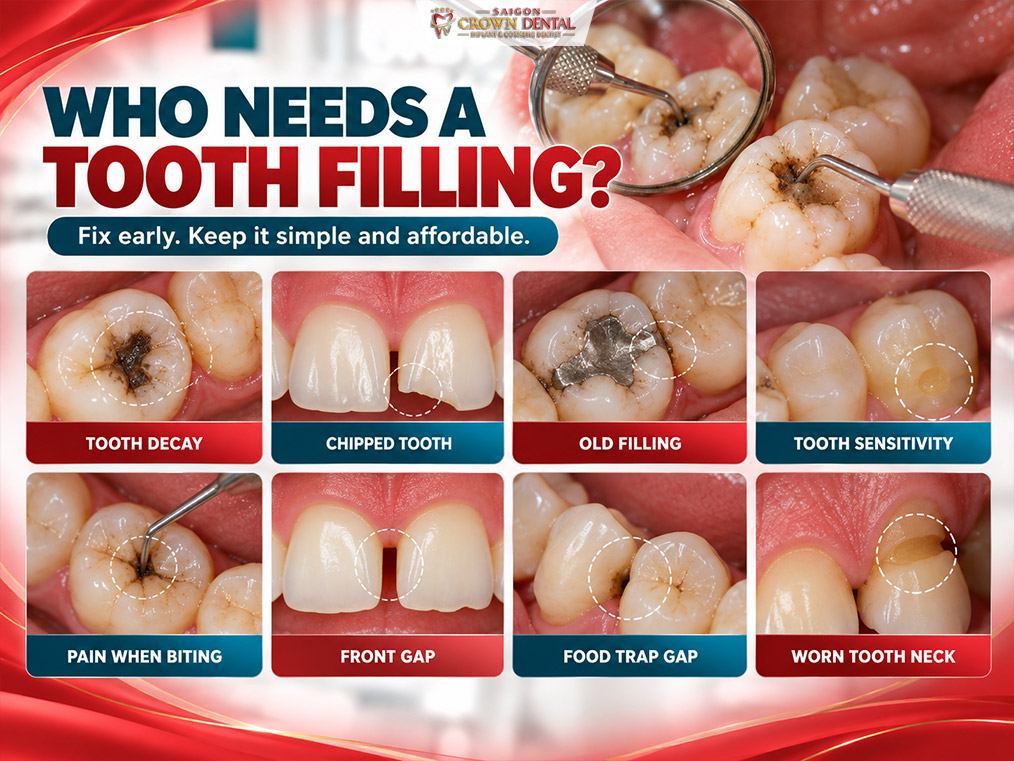
Most patients visit the clinic displaying a few clear signs. Recognizing these indicators early keeps treatment simple and affordable. You may need a filling if you notice a visible hole, a rough edge on a tooth, or sensitivity to hot, cold, or sweet foods. Furthermore, pain when biting down is quite common, particularly around an old or cracked filling. On the other hand, some patients feel nothing at all. Because a cavity can grow quietly for months without causing discomfort, specialists always take a digital X-ray for new patients even in the absence of pain to ensure nothing is missed before you leave Vietnam
Common cases we treat:
- Small to moderate cavities from decay
- Chipped or fractured front or back teeth
- Old amalgam or composite fillings that are cracked, stained, or leaking
- Tooth sensitivity linked to early decay
- Cosmetic replacement of a dark, visible filling with a tooth-colored filling
- Gaps between front teeth (diastema) closed with composite bonding
- Food-trap gaps between back teeth (interproximal fillings)
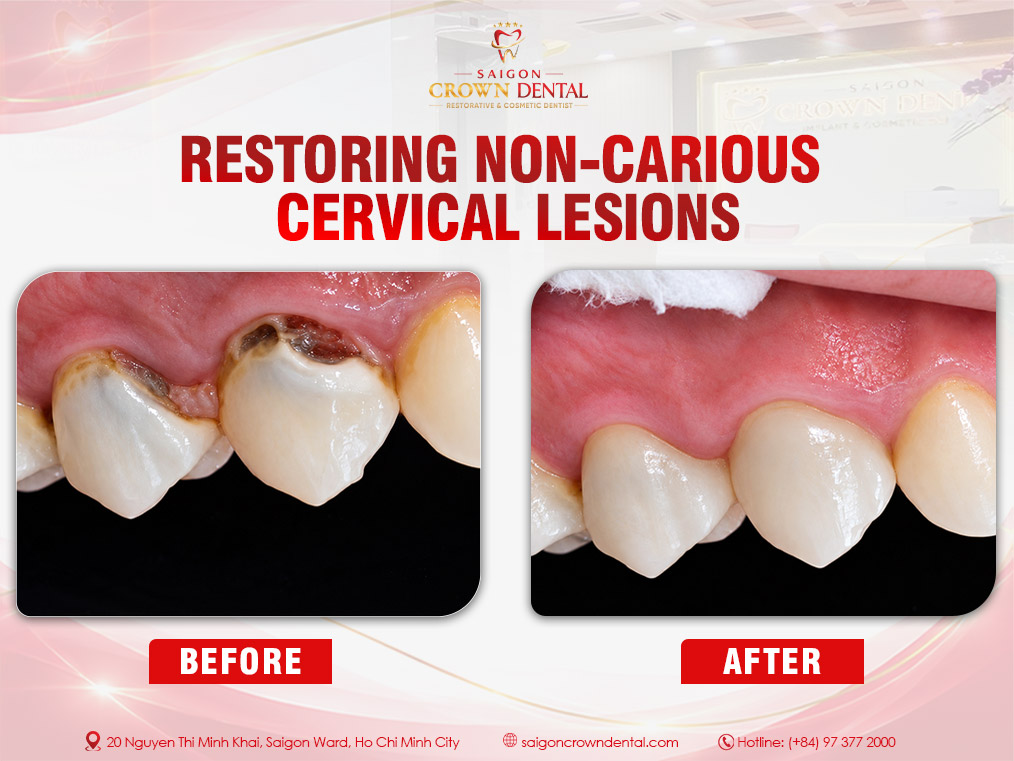
- Worn tooth necks near the gumline (cervical abrasion)
Not every case is decay-related. Some patients simply want a gap between their front teeth closed, or a worn spot near the gumline smoothed over. These are handled the same way, with tooth-colored composite shaped chairside.
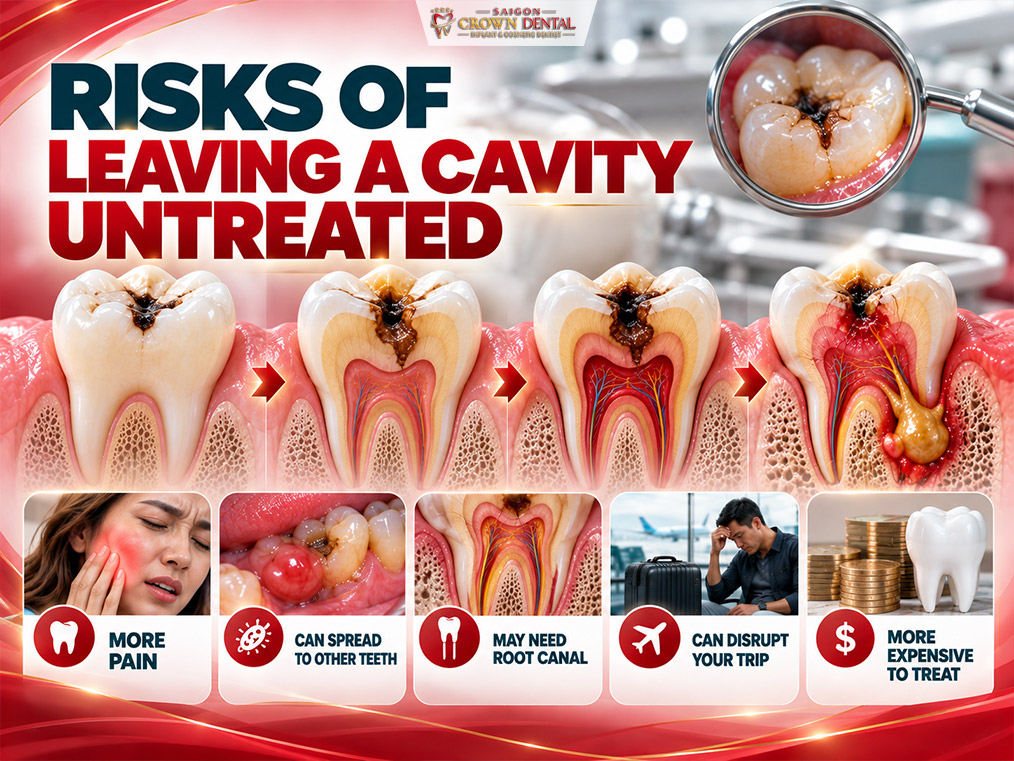
Risks of leaving a cavity untreated
A cavity does not stay the same size. Bacteria keep breaking down the tooth structure, and the damage spreads deeper each week.
-
Stage 1 – Reaching the dentin layer
If decay reaches the dentin layer, pain usually follows.
-
Stage 2 – Reaching the nerve
Left further, decay can reach the nerve inside the tooth. At that point, a simple filling is no longer enough, and root canal treatment becomes necessary.
-
Stage 3 – Spreading beyond the tooth
Untreated decay can also spread to neighboring teeth or cause an abscess, which is far more painful and expensive to treat than the original cavity.
Why this matters for travelers
An abscess mid-trip can mean an emergency dental visit or a disrupted flight schedule.
Treating a cavity early, while it is still filling-sized, is almost always the simpler and cheaper path.
[IMAGE: Digital dental X-ray showing early stage tooth decay | Size: 1014×760 | Alt: dental filling cost Ho Chi Minh City X-ray]
Treatment process at Saigon Crown Dental
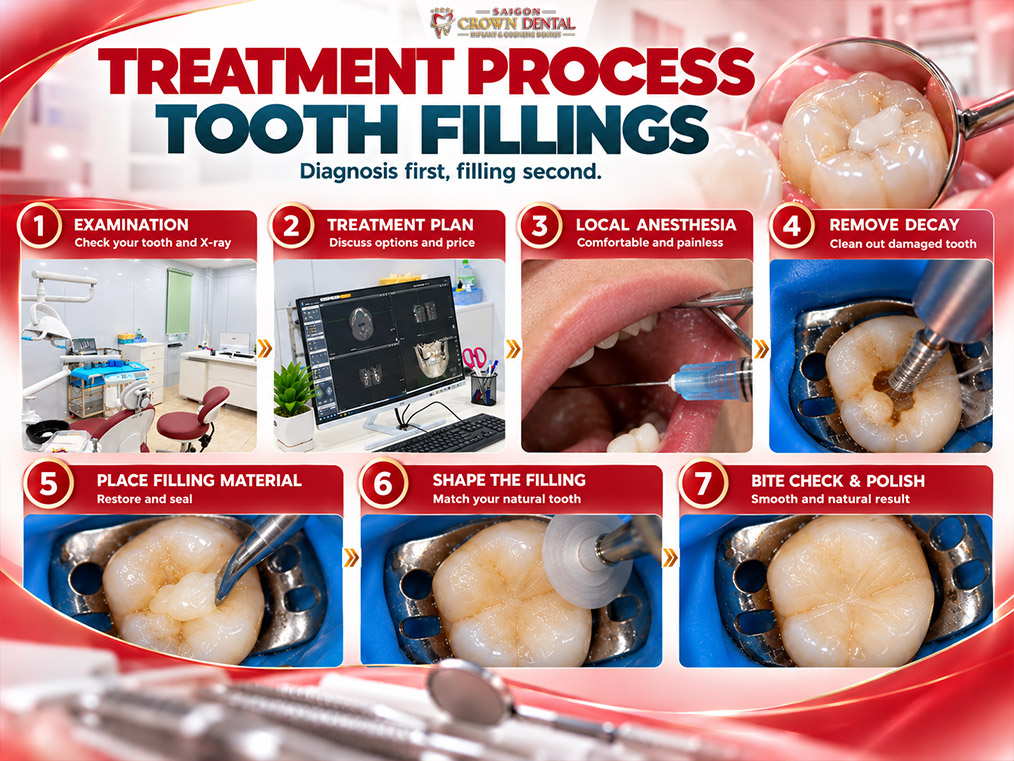
We built our filling process around accuracy first, speed second. We fill nothing until we confirm the diagnosis.
-
Comprehensive examination and X-rays:
Your dentist begins with a full exam and, when clinically needed, a digital X-ray. This step alone rules out cases that actually need a crown or root canal instead of a filling. You will see your X-ray on screen, in English, before your dentist proposes any treatment plan.
-
Discussion and treatment planning:
Once we confirm decay, we discuss your material options and the price in full before starting.
-
Dental procedure execution:
We use local anesthesia whenever needed, so removing decayed tissue stays comfortable. The dentist then places, shapes, and polishes the filling material to match your natural tooth.
Standard filling procedure:
- Consultation and symptom review
- Clinical exam and digital X-ray, if needed
- Discussion of material options and pricing
- Local anesthesia, if required
- Removal of decayed tooth structure
- Placement and shaping of the filling
- Bite check and final publish
Does a tooth filling hurt?
Most patients feel pressure or light vibration, not sharp pain, because local anesthetic is used whenever the cavity requires it. Mild sensitivity for a day or two afterward is normal, especially for a deeper cavity.
We do not promise a “pain-free” experience – we promise a controlled, well-explained one.

How long does treatment take
A single tooth filling usually takes just one appointment, often 20 to 40 minutes depending on the tooth, the cavity size, and how many surfaces are involved.
-
A standard filling
A standard filling needs no lab work or follow-up appointment. Numbness from the anesthesia typically wears off within one to two hours, after which you can eat normally.
-
If you have several cavities
We can often combine them into one longer visit rather than spreading treatment across multiple days. This is especially useful if you are traveling and have limited time in Ho Chi Minh City.
How long does a filling last?
With good oral hygiene and regular check-ups, a well-placed composite filling generally lasts 5 to 10 years, sometimes longer.
A filling does not make a tooth immune to new decay, so brushing, flossing, and routine visits still matter.
Real patient results
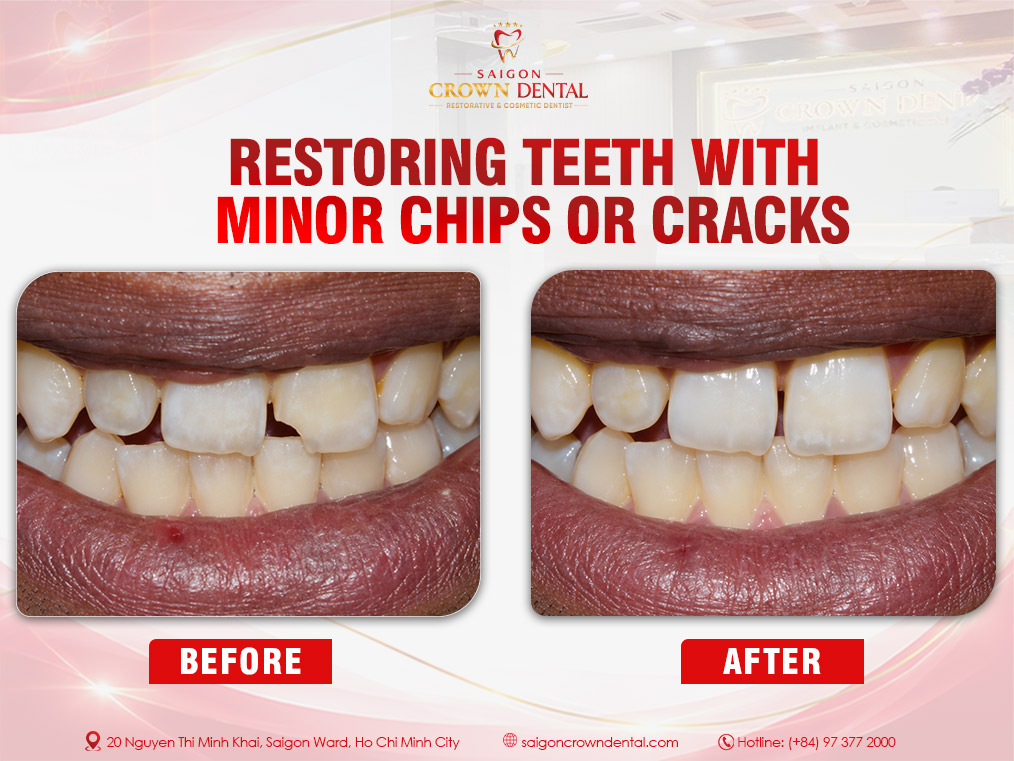
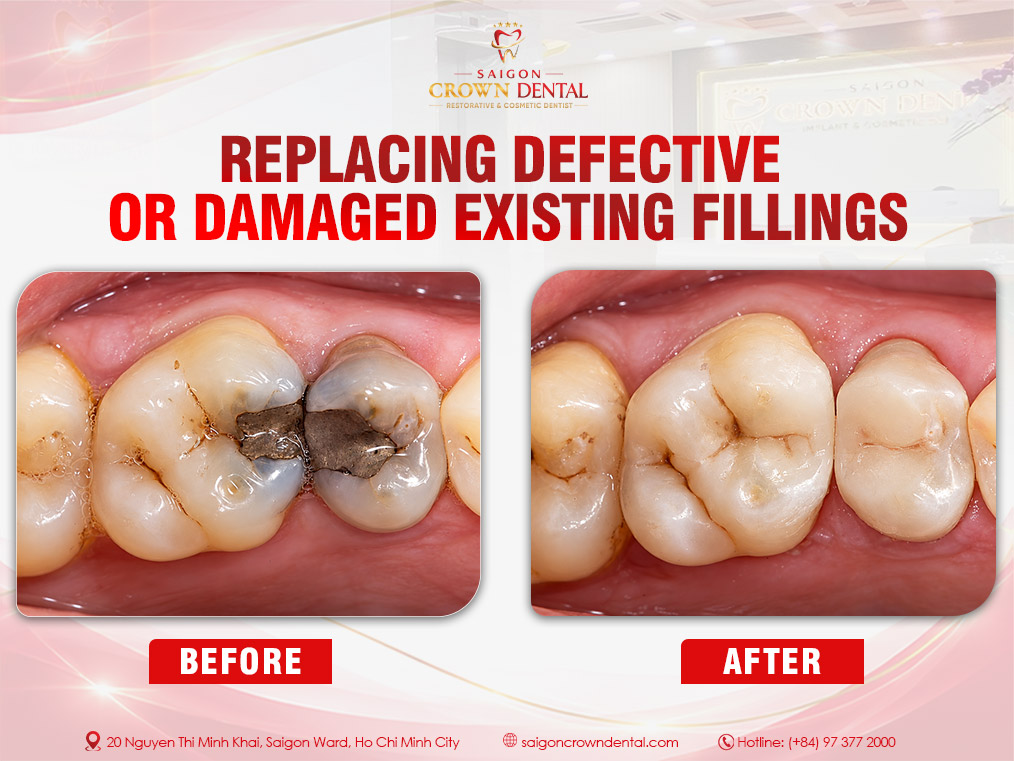
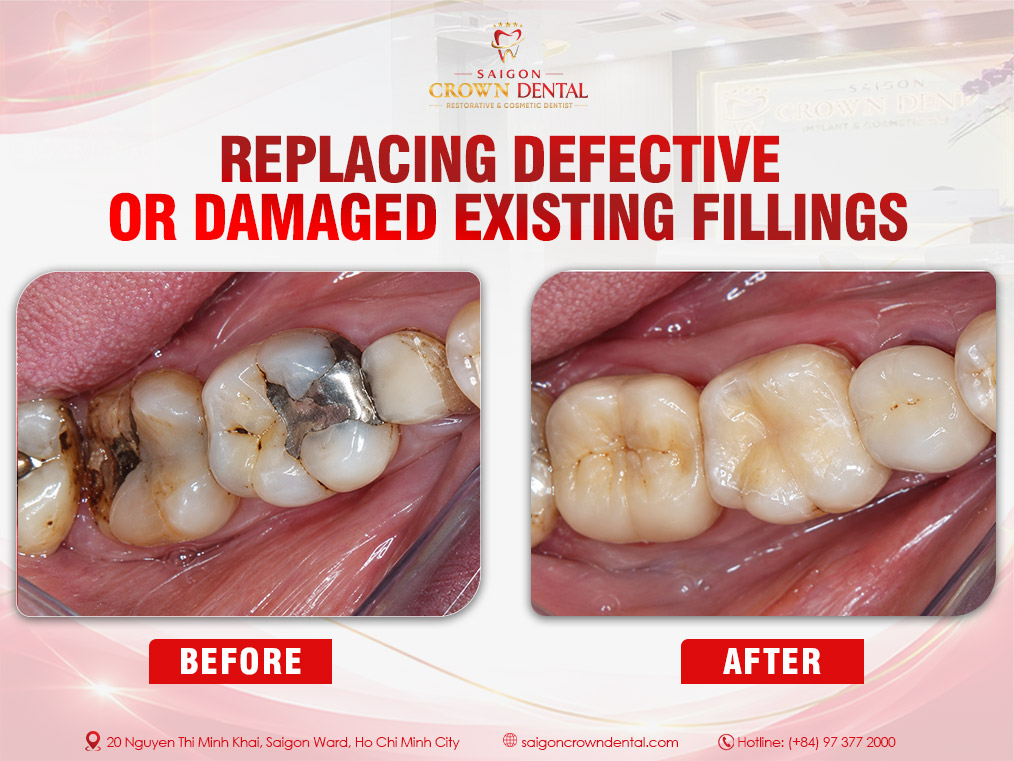
International patients consistently tell us the same thing: they wanted to know exactly what was being done to their tooth, and why. That transparency is what keeps them coming back for routine care whenever they are in the city.
-
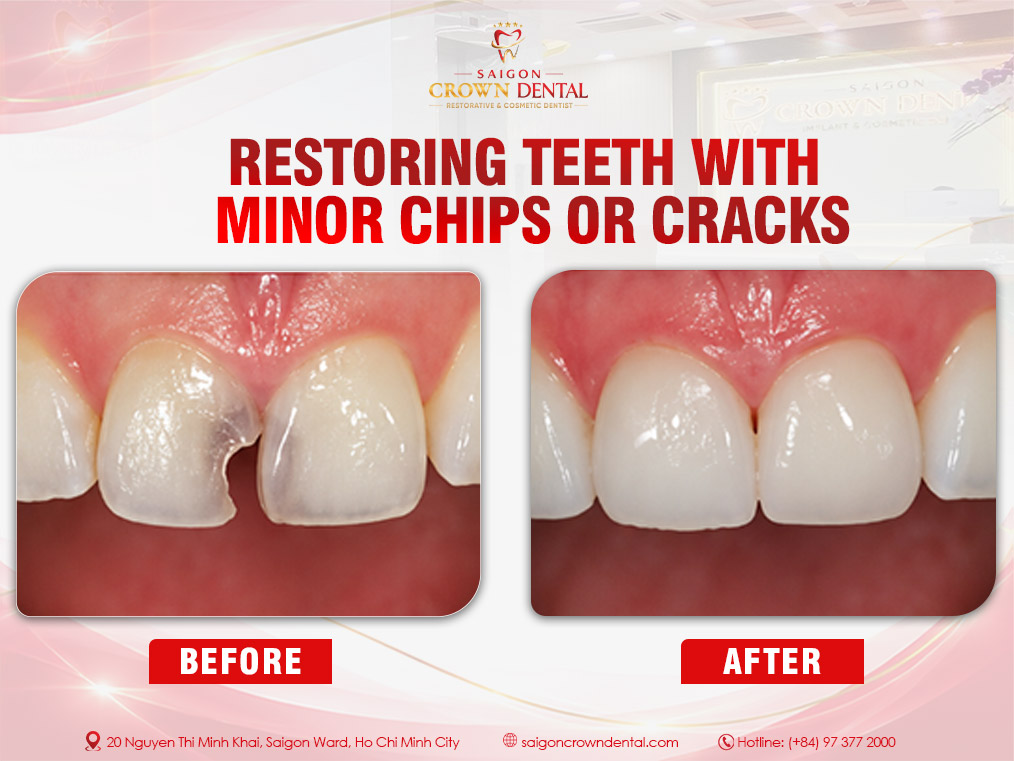
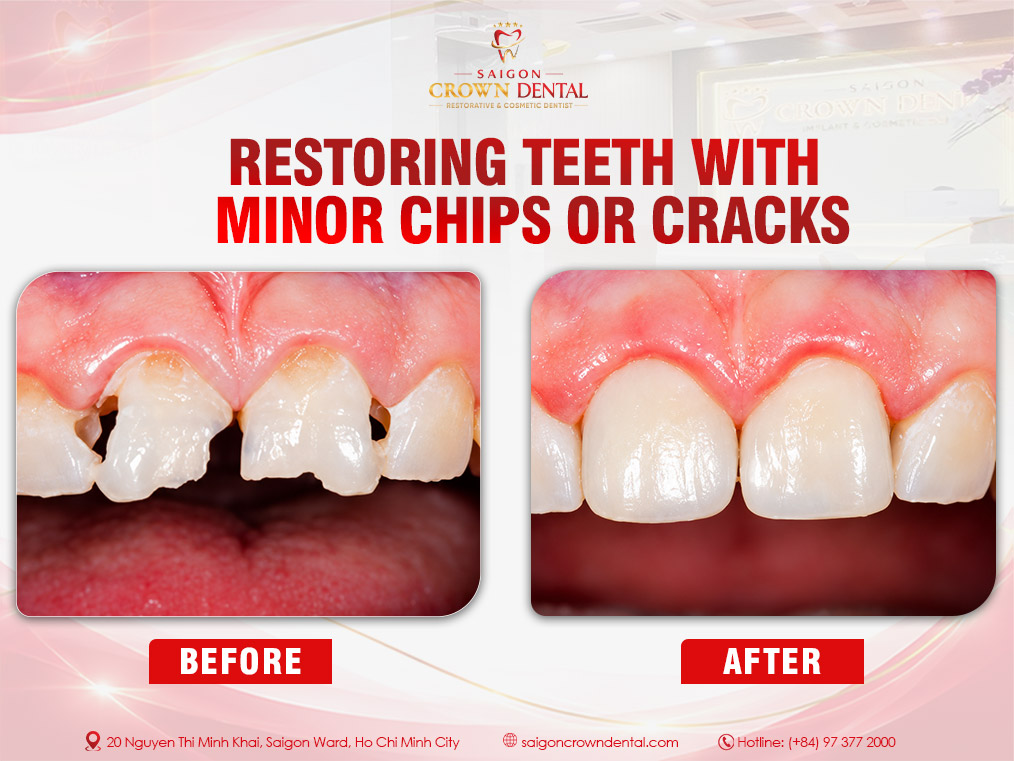
Restoring teeth with minor chips or cracks

-
Restoring non-carious cervical lesions
-
Replacing defective or damaged existing fillings

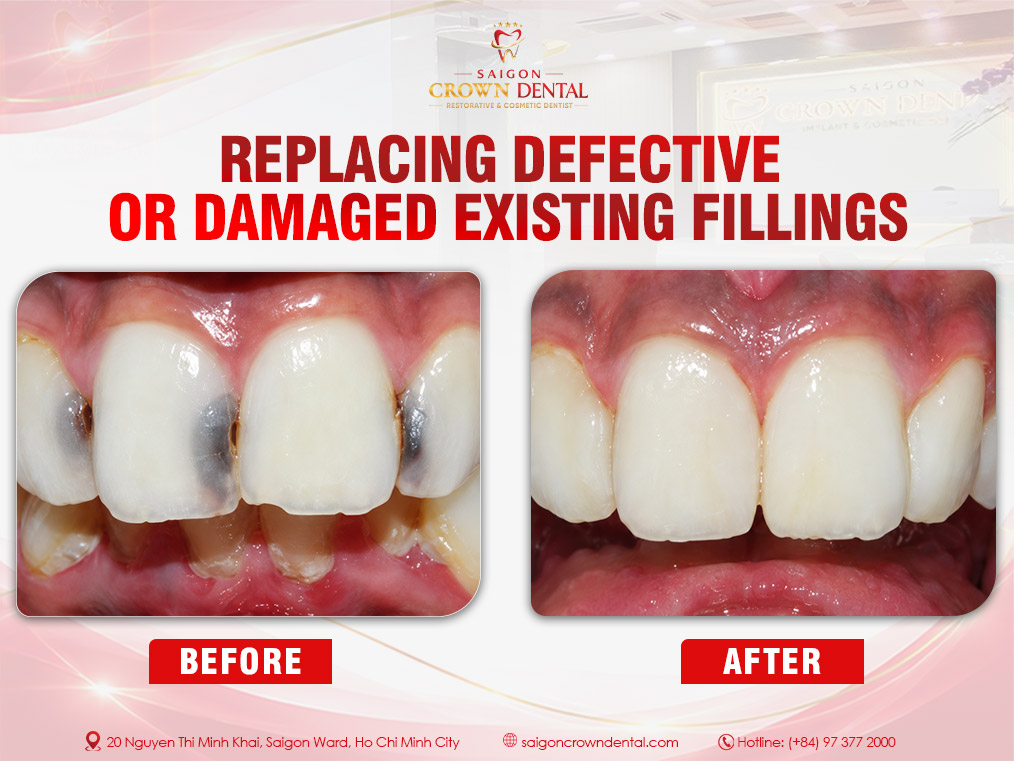

-
Filling cavities in the early to moderate stages
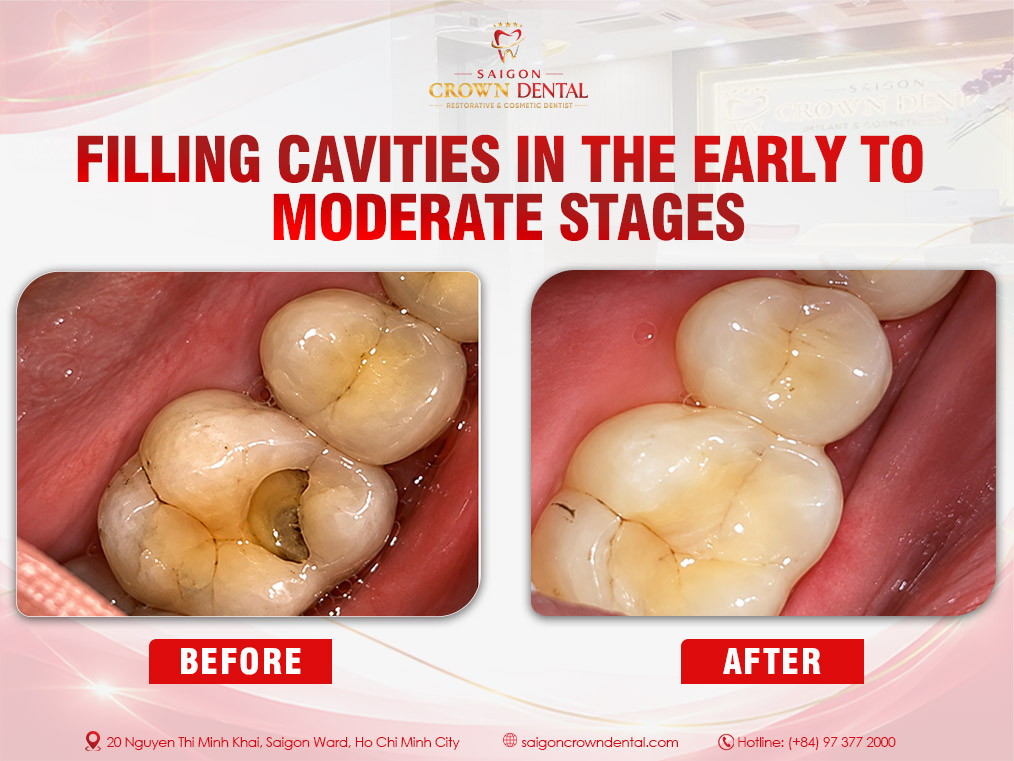
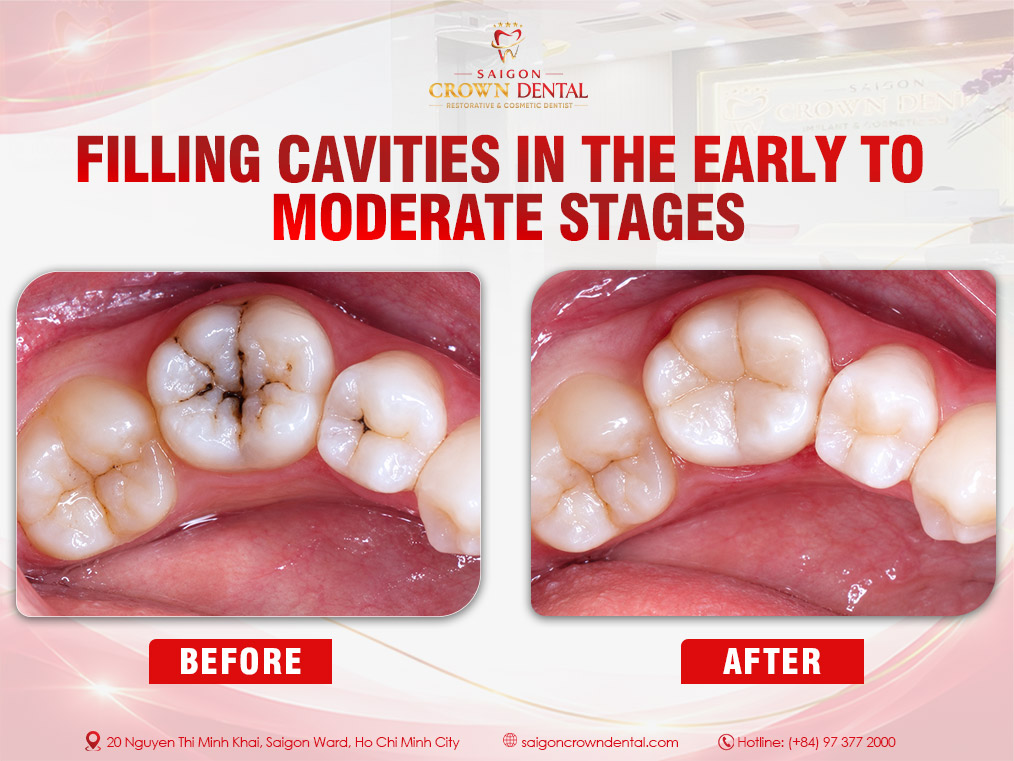

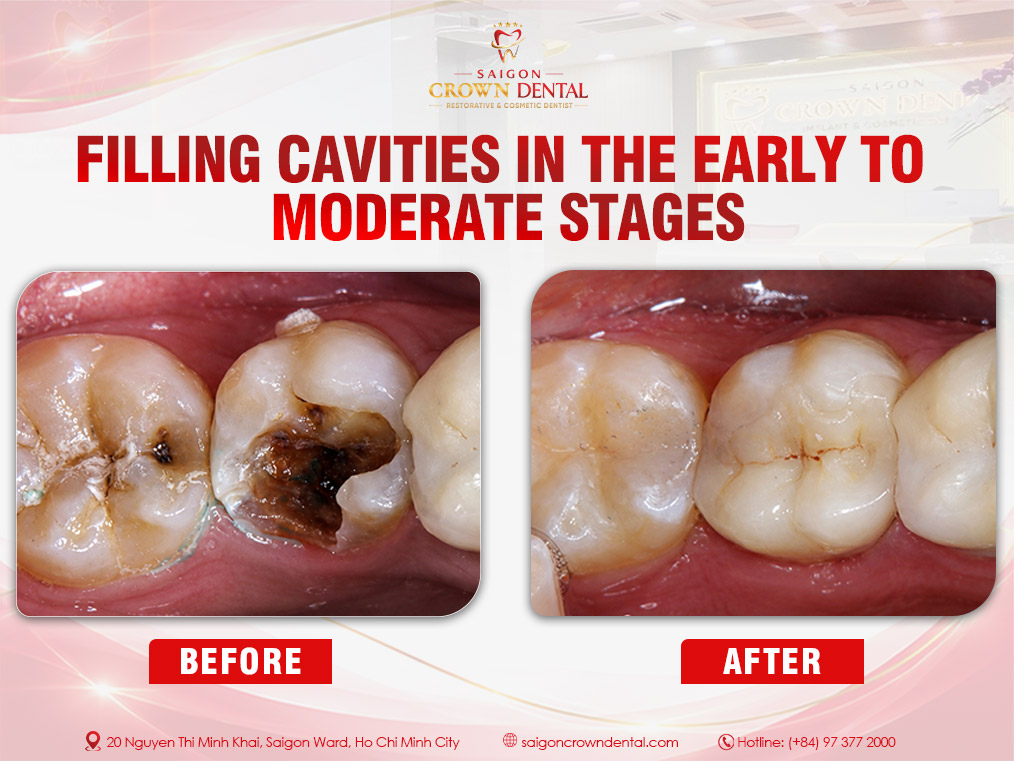
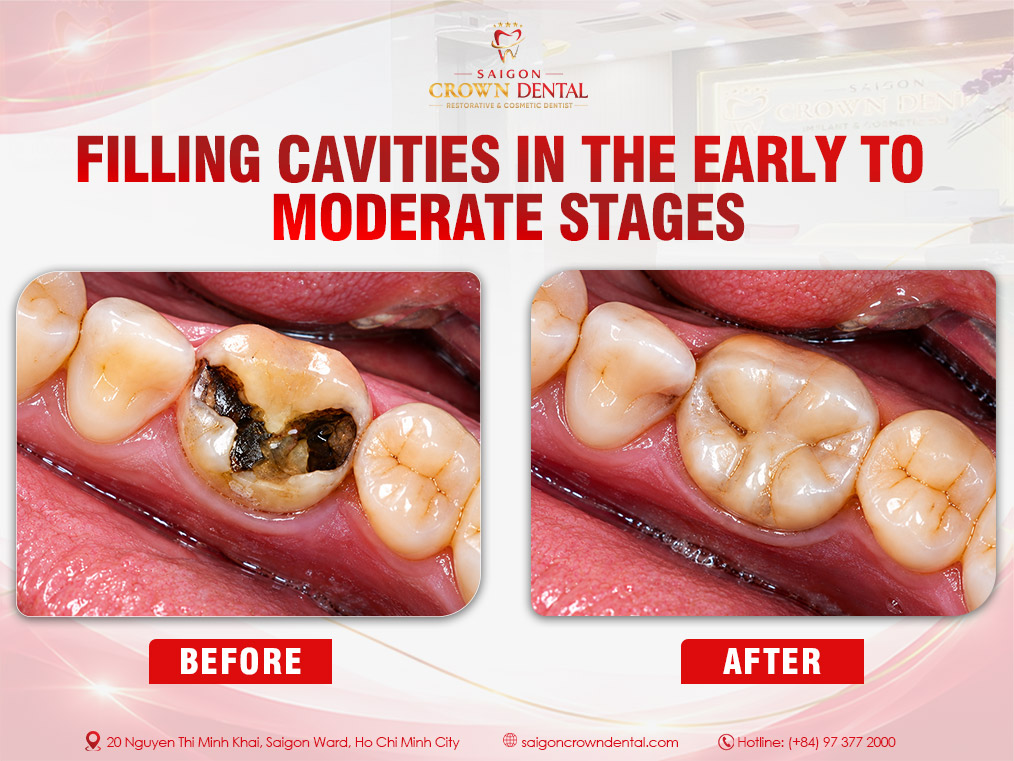
Reviews from expats and tourists often mention three things – clear English communication, an upfront price with no surprise add-ons, and a comfortable procedure with minimal downtime. Several patients have returned specifically to have old, discolored fillings replaced with tooth-colored composite for a more natural smile.
Dental filling cost at Saigon Crown Dental
Pricing depends on the tooth, the size of the cavity, and the type of filling needed. We quote per tooth and confirm every quote before treatment starts.
Check-up and consultation are free of charge. An X-ray, if needed, is $40 per film – and it becomes free the moment you decide to proceed with treatment.
| TREATMENT | PRICE IN USD | NOTE |
| Caries treatment and restoration with composite | $40 | per tooth |
| Aesthetic filling / Composite filling | $80 | per tooth |
| Filling for gapped front teeth | $80 | per tooth |
| Interproximal gap filling | $80 | per tooth |
| Cervical abrasion filling | $40 | per tooth |
Prices are provided for reference and may vary depending on individual clinical needs. Some listed prices do not include VAT. See our full Price List for other treatments.
We do not upsell. If your dentist finds that a filling is not enough – for example, if the decay has reached the nerve – we explain this clearly and give you the treatment options before proceeding with anything further.
Why choose Saigon Crown Dental
-
Direct english consultation
Every week, international patients trust Saigon Crown Dental for tooth fillings in Ho Chi Minh City. Our restorative team communicates fluently in English, ensuring clear, direct discussions about your diagnosis and treatment plan without any need for a translator.

-
Advanced diagnostics & Strict safety standards
We use high-resolution digital X-rays and intraoral cameras so you can view your dental condition firsthand. All procedures follow rigorous international sterilization protocols, using premium, fully traceable filling materials from globally trusted suppliers.

-
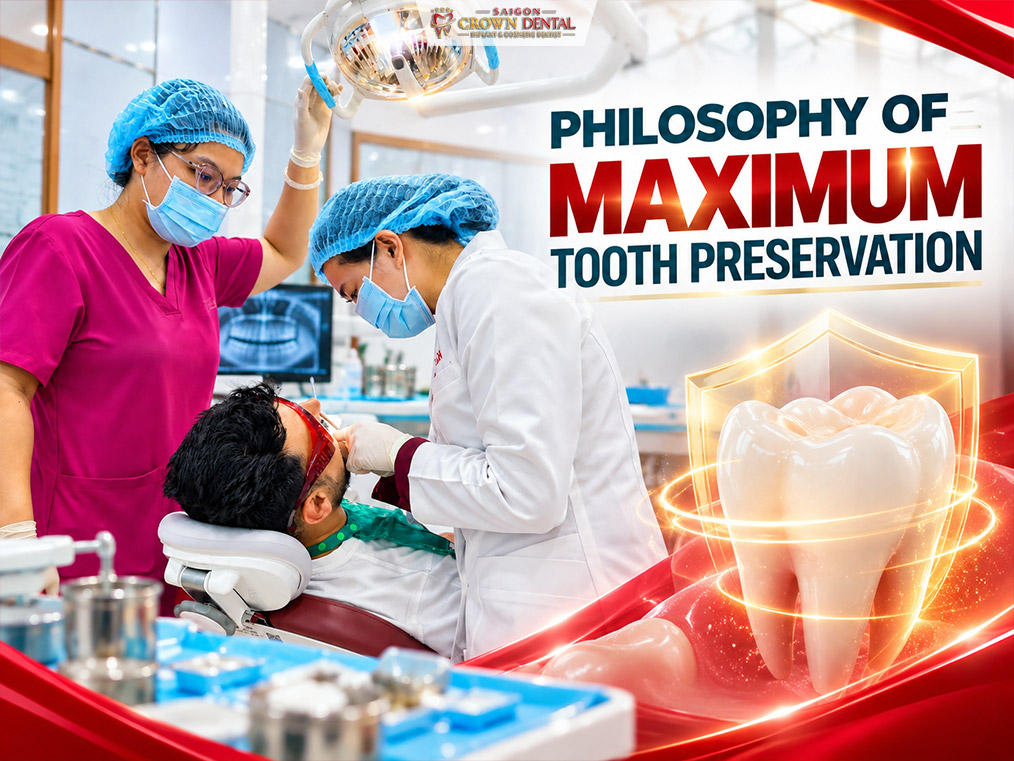
Conservative tooth-preservation philosophy
We strictly adhere to a conservative approach-removing only decayed structure while preserving natural tooth tissue. This protects your long-term dental health and keeps your future options open.
Support for international patients
-
Seamless logistics and Urgent care support
Traveling for dental care involves planning, and we handle those details for you. Same-day appointments are readily available for urgent situations, such as a sudden toothache or a lost filling during your stay in Ho Chi Minh City.
-
Complete english records for your local dentist
Upon request, we provide your complete X-rays and detailed treatment notes in English. This ensures any dentist back home can easily review your procedure and pick up right where we left off.
-
Reliable post-treatment care abroad
If your filling feels high, loose, or sensitive after you return home, our team remains directly accessible for online guidance. We are always happy to help coordinate next steps with your local dentist whenever needed.
Frequently asked questions
-
Does getting a tooth filling hurt?
No sharp pain during the procedure, thanks to local anesthesia when needed. Mild sensitivity afterward is normal and usually fades within a few days.
-
How much does a tooth filling cost in Ho Chi Minh City?
Cost depends on the tooth, cavity size, and material chosen. We provide a full quote after the exam, before any treatment begins.
-
Do I need an X-ray before a filling?
Only when clinically necessary, so your dentist can confirm the depth of decay and rule out issues that need a different treatment.
-
What filling material do you use?
Tooth-colored composite is our standard for visible teeth. Your dentist will discuss the best option for your specific case.
-
Can I get a same-day filling?
Yes, in most cases. Same-day appointments are available, which is especially useful if you are traveling.
-
How long do dental fillings last?
Generally 5 to 10 years with good oral hygiene, though this varies by tooth location and eating habits.
-
What if my filling fails after I return home?
Contact us directly. We can send your treatment records and X-rays in English to support a local dentist in fixing or replacing the filling.
Whether it is one small cavity or several, the goal is the same: fix the right tooth, with the right material, without surprises. If you think you may need a tooth filling in Ho Chi Minh City, send us a photo or your symptoms on WhatsApp, and our team will help you plan a visit that fits your schedule.
Book a Tooth Filling Appointment | Ask About Filling Cost | Contact Our English-Speaking Team